
Lymphadenitis in dogs is a condition that pet parents may encounter without being familiar with the term. It refers to inflammation of one or more lymph nodes, usually as a result of the body actively fighting an infection. While it can look and feel alarming, particularly when a swelling appears under the jaw or behind the knee, lymphadenitis in dogs is in many cases a treatable condition when addressed promptly. The key is recognising it early and getting a proper diagnosis rather than waiting to see whether the swelling resolves on its own.
In India, where tick-borne infections and untreated wounds are common triggers, understanding lymphadenitis in dogs is practically important for every pet parent and rescue caregiver. This article explains what lymphadenitis is, how it differs from other causes of lymph node swelling, what signs to look for, and how it is diagnosed and treated.
What Is Lymphadenitis in Dogs?
Lymphadenitis in dogs is the inflammation of lymph nodes caused by an active infection or an aggressive immune response. Lymph nodes are the body’s defence stations, filtering harmful agents such as bacteria, viruses, and damaged cells from the lymphatic fluid that circulates through the body. When an infection is present nearby or throughout the body, the lymph nodes in that region become activated, swell, and can become inflamed and painful as they work to contain the threat.
Lymphadenitis specifically refers to inflammation driven by infection or a strong immune response, distinguishing it from generalised lymph node swelling that can have a broader range of causes including cancer.
Lymphadenitis vs Lymphadenopathy in Dogs
These two terms are often used interchangeably, but there is a practical difference worth understanding.
| Feature | Lymphadenitis | Lymphadenopathy |
|---|---|---|
| Definition | Inflammation of lymph nodes | Enlargement of lymph nodes (broader term) |
| Primary cause | Infection or immune response | Infection, inflammation, immune disease, or cancer |
| Node feel | Warm, painful, tender | Variable; may be painless if cancer-related |
| Urgency | Prompt treatment needed | Requires investigation to determine cause |
| Typical outcome | Good recovery with appropriate treatment | Depends entirely on underlying cause |
In practical terms, lymphadenitis in dogs is typically painful and warm to the touch, whereas lymph node swelling caused by cancer is often firm and non-painful. This distinction helps veterinarians guide their diagnostic approach.
Common Locations of Affected Lymph Nodes
Lymphadenitis in dogs can affect any lymph node, but certain locations are more commonly noticed by pet parents during routine handling.
- Submandibular nodes: Under the jaw. Swelling here is often related to dental infections, oral wounds, or upper respiratory infections.
- Prescapular nodes: In front of the shoulder blades. These may enlarge in response to forelimb wounds or systemic infections.
- Popliteal nodes: Behind the knees. Enlargement here is often associated with hind limb wounds, tick bites, or tick-borne disease.
- Axillary and inguinal nodes: In the armpits and groin. Less commonly noticed unless significantly enlarged.
Symptoms of Lymphadenitis in Dogs
The symptoms of lymphadenitis in dogs reflect the fact that the lymph nodes are actively fighting an infection. They differ from the painless swelling that may accompany other lymph node conditions.
- Visibly or palpably swollen lymph node in one or more locations
- Warmth and tenderness at the site of swelling
- Pain when the affected area is touched, causing the dog to pull away or vocalise
- Fever, often with a warm nose, warm ears, and general restlessness
- Lethargy and reduced interest in activity or play
- Reduced appetite
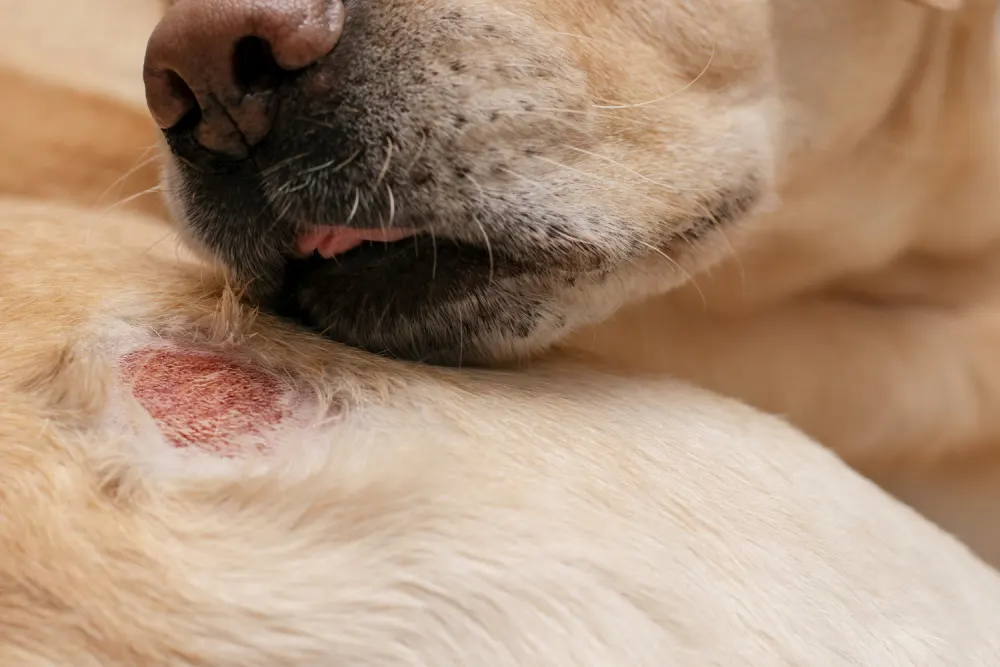
- In more advanced cases, abscess formation with visible swelling that may rupture and discharge pus
- Nearby wound, skin lesion, or dental problem in cases of localised lymphadenitis
At VOSD, we have seen many cases across India where lymphadenitis developed from untreated wounds sustained during street scuffles or from tick infestations that were not addressed promptly. In these dogs, swollen and painful nodes under the jaw or behind the limbs were often the first sign that drew a caregiver’s attention. Early intervention in these cases consistently led to good recovery.
Causes of Lymphadenitis in Dogs
Lymphadenitis in dogs has a range of identifiable causes, most of which involve an active infection somewhere in the body. Understanding these helps pet parents recognise relevant risk factors.
1. Bacterial Infections
Bacteria entering through wounds, dental disease, or skin infections are among the most common causes of lymphadenitis in dogs. The lymph node closest to the site of infection becomes the first responder, filling with immune cells and potentially forming an abscess if the infection is not contained.
2. Tick-Borne Diseases
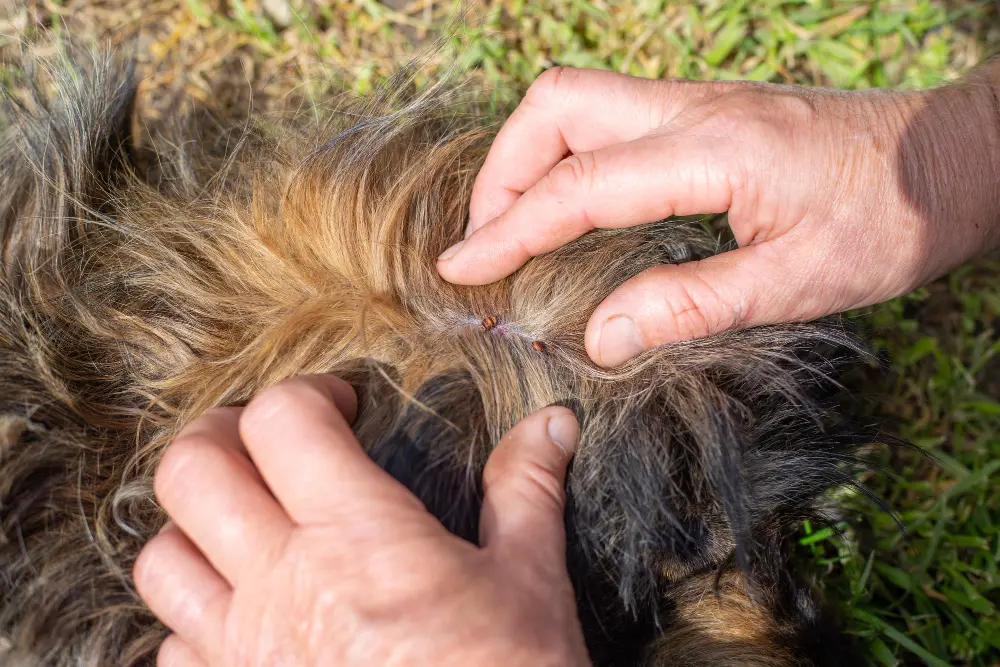
In India, tick-borne diseases such as Ehrlichiosis, Babesiosis, and Anaplasmosis are significant and common causes of lymphadenitis in dogs. These infections trigger a widespread immune response, causing multiple lymph nodes to become inflamed simultaneously alongside fever, lethargy, and reduced appetite.
3. Fungal Infections
Fungal organisms can occasionally infect lymph nodes, particularly in dogs with outdoor exposure in certain geographical regions. These cases are less common but are worth considering in dogs that do not respond to standard antibiotic treatment.
4. Dental and Oral Infections
Periodontal disease and tooth root abscesses are a frequently overlooked cause of lymphadenitis in dogs, particularly involving the submandibular nodes under the jaw. A dog with consistently swollen jaw nodes and no other obvious cause should always have a dental examination performed.
5. Risk Factors in the Indian Context
Several factors specific to the Indian environment increase the risk of lymphadenitis in dogs.
- Outdoor access and exposure to ticks in gardens, parks, and rural areas
- Bite wounds from other animals, particularly in street or rescue dogs
- Delays in wound care allowing bacterial infections to establish
- Inconsistent tick prevention, particularly during monsoon and post-monsoon seasons when tick populations peak
- Dental disease going undetected until it becomes severe
Related Videos



Diagnosis of Lymphadenitis in Dogs
Diagnosing lymphadenitis in dogs involves identifying both the inflammation itself and, crucially, the underlying cause driving it. Treatment cannot be targeted effectively without knowing what is causing the immune response.
- Physical examination: Your veterinarian will assess all accessible lymph nodes for size, warmth, pain, and consistency. A full body examination looks for nearby wounds, dental problems, or skin infections that may be the primary source.
- Fine needle aspiration cytology (FNAC): A fine needle is used to draw a small sample of cells or fluid from the inflamed node. In lymphadenitis, this often reveals large numbers of neutrophils and immune cells, consistent with an active infection. If an abscess is present, pus may be collected for bacterial culture and sensitivity testing to identify the specific organism and the most effective antibiotic.
- Blood tests: A complete blood count typically shows elevated white cell counts in dogs with active bacterial infection. Biochemistry assesses organ health, and tick-borne disease testing is a routine part of the workup in India.
- Dental examination: If submandibular lymphadenitis in dogs is present without an obvious external cause, a thorough oral examination under sedation may be recommended to rule out tooth root abscesses or severe periodontal disease.
- Imaging: X-rays or ultrasound may be used to assess the extent of lymph node involvement or to identify internal sources of infection.
Treatment and Management of Lymphadenitis in Dogs
Treatment for lymphadenitis in dogs is directed at the underlying cause. Addressing only the swollen node without treating what is driving the inflammation will not result in lasting recovery.
- Bacterial infections: Antibiotics are the primary treatment. The choice of antibiotic is ideally guided by culture and sensitivity results from the FNAC sample. Treatment courses are typically two to four weeks and should always be completed in full even if the dog appears to improve sooner.
- Abscess drainage: If a lymph node has formed an abscess, surgical drainage or lancing may be required alongside antibiotic therapy to allow the infection to resolve completely.
- Tick-borne disease: Doxycycline is the standard treatment for most tick-borne infections in India. With appropriate treatment, lymphadenitis in dogs caused by tick fever responds well and lymph node swelling reduces as the infection clears.
- Dental treatment: If tooth root abscess or severe dental disease is the underlying cause, extraction of the affected tooth and dental cleaning under anaesthesia is required alongside antibiotics.
- Fungal infections: Antifungal medications are prescribed for confirmed fungal lymphadenitis, with treatment often continuing for several weeks or months.
Related Products




Prognosis: What to Expect
The prognosis for lymphadenitis in dogs is generally good when the condition is identified and treated promptly. Most dogs with bacterial lymphadenitis respond well to a full course of appropriate antibiotics, with lymph node swelling reducing noticeably within one to two weeks of starting treatment.
Dogs with tick-borne disease causing lymphadenitis typically recover well with doxycycline, though they require follow-up blood testing to confirm the infection has cleared. Dogs whose lymphadenitis stems from dental disease do well once the offending tooth is removed and antibiotics are completed.
Delays in treatment can allow bacterial infections to progress to abscess formation or allow tick-borne disease to cause more significant organ involvement. Acting on early signs gives the best chance of a straightforward recovery.
Home Care and Recovery
Once a diagnosis has been made and treatment started, consistent home care supports your dog’s recovery from lymphadenitis.
- Administer all prescribed antibiotics or other medications consistently and complete the full course without stopping early, even if your dog seems well.
- Keep any wounds or skin lesions that may have triggered the lymphadenitis clean and protected as directed by your veterinarian.
- Ensure your dog has a calm, quiet resting space away from unnecessary activity during recovery.
- Offer a nutritious, balanced diet and ensure access to fresh water at all times to support immune function.
- Monitor the swollen node daily for changes in size, discharge, or tenderness and report any worsening to your veterinarian promptly.
- Maintain tick prevention consistently, particularly if tick-borne disease was the identified cause.
- Attend all follow-up veterinary appointments as scheduled to confirm resolution.
When to See a Vet
Seek veterinary attention if your dog shows any of the following signs.
- A swollen lump that is warm and painful to touch
- Fever alongside any visible swelling
- A swelling that is increasing in size over a day or two
- Visible discharge or rupture of a lump under the skin
- Lethargy, reduced appetite, or persistent fever without an obvious cause
- A dog already on antibiotics for lymphadenitis that is not improving as expected
Lymphadenitis in dogs is a condition that sounds complicated but is in many cases a treatable and manageable problem when caught early. It is the body’s immune system doing its job in response to infection, and with the right diagnosis and appropriate treatment, most dogs recover well. In India, tick-borne diseases and wound infections are the most common triggers, making tick prevention and prompt wound care two of the most practical things pet parents can do. If you notice swelling that is warm, painful, or accompanied by fever and lethargy, do not delay seeking veterinary advice. Lymphadenitis in dogs responds best to early, targeted treatment, and most affected dogs go on to make a full recovery with the right care in place.