A mast cell tumour in dogs is one of the most commonly diagnosed skin tumours in canines and while discovering a lump on your dog can feel alarming, many mast cell tumours are manageable with timely veterinary care. Some are low-grade and respond very well to treatment, while others require closer monitoring. What matters most is catching them early and understanding what you are dealing with. This guide will help you do exactly that.
Understanding Mast Cell Tumours in Dogs
Mast cells are a normal and important part of your dog’s immune system. They play a role in responding to allergies, inflammation, and wound healing by releasing chemicals such as histamine. In healthy dogs, mast cells do their job and cause no harm.
A mast cell tumour also called a mastocytoma develops when mast cells begin to multiply in an uncontrolled way, forming an abnormal growth most commonly in or under the skin. Because mast cells contain powerful chemicals, these tumours can cause local and systemic reactions that go beyond the skin. This is what makes a mast cell tumour in dogs different from many other lumps and why veterinary assessment is always essential.
Where Mast Cell Tumours Commonly Appear
Mast cell tumours in dogs most frequently appear on or just under the skin, making them visible or palpable during regular grooming or petting. Common locations include:
- The trunk and limbs accounting for the majority of cases
- The groin, perineum, and abdomen areas associated with more aggressive behavior
- The head, neck, and muzzle
- Between the toes or on the paws
- Occasionally, internal organs such as the spleen, liver, or bone marrow in advanced cases
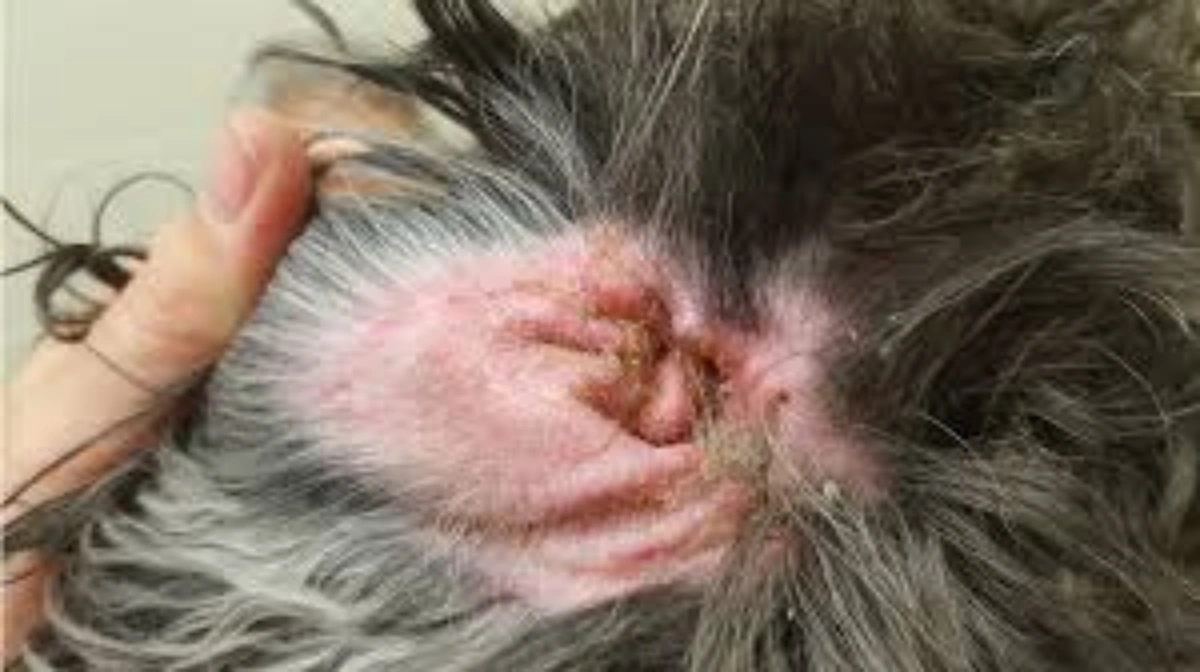
One of the challenges with mast cell tumours is that they can look very ordinary. A mast cell tumour may appear as a simple soft lump, a firm nodule, a reddened swelling, or even a small ulcerated sore. This is why any new or changing lump on your dog should be examined by a veterinarian rather than monitored at home and assumed to be harmless.
Symptoms of Mast Cell Tumours in Dogs
The symptoms of a mast cell tumour in dogs can vary depending on the location and grade of the tumour. The following signs are worth watching for:
- A visible or palpable lump on or under the skin that may appear suddenly
- A lump that changes size noticeably growing quickly or fluctuating in size
- Redness, swelling, or irritation around the lump
- Ulceration or a raw, weeping surface on the lump
- Your dog persistently licking, scratching, or biting at the lump area
- Vomiting, diarrhoea, or reduced appetite caused by histamine released by the tumour affecting the digestive system
- Lethargy or a general decline in energy and activity
- Swollen lymph nodes near the tumour site in more advanced cases
A key feature of mast cell tumours is what veterinarians call Darier’s sign when the tumour is manipulated or scratched, it may suddenly swell up, become red, and then reduce again. This happens because the tumour releases histamine in response to pressure. If you notice this behaviour in a lump on your dog, consult a vet without delay.
Related Videos


Causes and Risk Factors
The exact cause of mast cell tumours in dogs is not fully understood, and in most cases there is no single identifiable trigger. Several factors are associated with increased risk:
- Breed predisposition: Boxers, Bulldogs, Boston Terriers, Labrador Retrievers, Golden Retrievers, Pugs, and Weimaraners are among the breeds with higher reported rates of mast cell tumours.
- Age: Mast cell tumours are more common in middle-aged and older dogs, though they can develop in younger dogs as well.
- Genetic mutations: Certain mutations in a gene called c-KIT have been identified in some mast cell tumours and are relevant to targeted treatment options.
- Immune system changes: Long-term immune dysregulation or chronic inflammation may contribute to tumour development over time.
- Mixed-breed and rescue dogs: While breed-specific predispositions exist, mast cell tumours can and do occur in any dog regardless of breed or background.
A diagnosis of mast cell tumour is not the result of anything a pet parent did or did not do. These tumours arise from biological processes that are beyond external control.
How Veterinarians Diagnose Mast Cell Tumours
Diagnosing a mast cell tumour in dogs involves a series of steps that help determine not just what the lump is, but how aggressive it is likely to be:
1. Physical Examination: The vet will assess the lump carefully its size, location, texture, and how it behaves when touched. The lymph nodes near the lump will also be checked for swelling.
2. Fine Needle Aspiration (FNA): This is usually the first diagnostic step. A thin needle collects cells from the lump, which are then examined under a microscope. FNA can often identify mast cell tumours quickly and with minimal discomfort to the dog.
3. Cytology: The aspirated cells are analysed in detail. Mast cells have a distinctive granular appearance that makes them recognisable under the microscope, often allowing a diagnosis to be made from FNA alone.
4. Biopsy and Grading: If surgery is planned, the removed tumour is sent for histopathology detailed laboratory analysis. The pathologist assigns a grade (typically Grade 1, 2, or 3) that describes how abnormal the cells are and predicts how aggressively the tumour is likely to behave. Grading is critical for planning follow-up treatment.
5. Imaging: Chest X-rays and abdominal ultrasound are used to check whether the tumour has spread to internal organs or lymph nodes. This staging process helps the vet determine the full extent of disease and plan treatment accordingly.
6. Blood Tests: A complete blood count and biochemistry panel assess overall organ health and readiness for treatment, and may reveal signs of systemic involvement.
Treatment Options for Mast Cell Tumours
Treatment for a mast cell tumour in dogs depends on the tumour’s grade, location, and whether it has spread. The main options include:
1. Surgical Removal: Surgery is the first-line treatment for most mast cell tumours and offers the best chance of a good outcome when the tumour is localised. The surgeon aims for wide margins removing a significant area of normal tissue around the tumour to reduce the risk of regrowth. For low-grade tumours removed with clean margins, surgery alone may be curative.
2. Chemotherapy: For higher-grade tumours, tumours that have spread, or cases where surgery is not possible, chemotherapy may be recommended. Several protocols are available and are generally well tolerated by dogs.
3. Targeted Therapy: Dogs with c-KIT gene mutations may benefit from targeted drugs such as toceranib (Palladia) or masitinib, which specifically inhibit the abnormal cell growth pathway. Your veterinarian or a veterinary oncologist can advise whether this is appropriate.
4. Radiation Therapy: Used for tumours in locations that are difficult to operate on, such as the face or paws, radiation can help control local disease and reduce recurrence.
5. Antihistamines and Stomach Protectors: Because mast cell tumours release histamine, medications such as antihistamines (diphenhydramine) and stomach-protecting drugs (omeprazole or famotidine) are often prescribed alongside other treatments to protect the digestive system.
Caring for the skin around a mast cell tumour site, particularly after surgery, is an important part of recovery. VOSD Organic Neem Oil can help soothe the skin gently, while VOSD Organic 6-in-1 Dog Body Lotion with Calendula supports skin recovery and reduces irritation. Always check with your vet before applying anything to a post-surgical wound or active tumour site.
Related Products




Prognosis and Life Expectancy
The prognosis for a mast cell tumour in dogs varies considerably depending on the grade and stage of the tumour:
Grade 1 (low-grade) tumours: These are well-differentiated and typically behave less aggressively. Dogs with Grade 1 mast cell tumours that are fully surgically removed often have an excellent prognosis and may not require further treatment.
Grade 2 (intermediate) tumours: These require careful evaluation. Prognosis depends on whether surgical margins were clean and whether the tumour shows any high-risk features on pathology. Some dogs do very well; others may need additional treatment.
Grade 3 (high-grade) tumours: These are more aggressive and carry a less favourable prognosis. They are more likely to spread and require multimodal treatment, including chemotherapy or targeted therapy. Even so, many dogs respond to treatment and enjoy meaningful additional time with their families.
Regular follow-up appointments and monitoring are essential for all dogs treated for mast cell tumours, regardless of grade.
Caring for a Dog with a Mast Cell Tumour
Good day-to-day care makes a real difference to how your dog feels during and after treatment:
- Do not touch or irritate the lump: Squeezing or repeatedly pressing a mast cell tumour can cause it to release histamine, leading to sudden swelling, redness, and discomfort.
- Monitor for digestive symptoms: Vomiting, diarrhoea, or reduced appetite can indicate histamine release and should be reported to your vet promptly.
- Give all medications on schedule: Antihistamines and stomach protectors need to be given consistently to be effective.
- Support skin health: Keep the skin around the tumour or surgical site clean and calm. Nutrition plays a role here too VOSD Superfood Skin Supplement with Omega provides essential fatty acids that support healthy skin from within.
- Reduce stress: A calm and predictable home environment supports your dog’s immune function and overall well-being. For dogs showing signs of anxiety, VOSD Anxiety Care may help keep them settled during a difficult time.
- Attend all follow-up appointments: After surgery or treatment, regular rechecks allow your vet to catch any regrowth or new tumours early.
When Should Pet Parents See a Vet?
You should consult your veterinarian promptly if you notice any of the following:
- A new lump anywhere on your dog’s body, no matter how small
- A known lump that suddenly grows, changes shape, or becomes inflamed
- Redness, ulceration, or discharge from a skin growth
- Your dog is repeatedly scratching or licking a specific spot on the skin
- Any lump accompanied by vomiting, diarrhoea, or lethargy
A mast cell tumour in dogs can look deceptively ordinary on the outside. The only way to know what you are dealing with is through veterinary testing. Early evaluation is always safer than waiting, and in many cases, it makes all the difference to the outcome.