
Is your dog rejecting her puppies, or acting aggressively toward them? As distressing as this is to witness, maternal behavior problems in female dogs are more common than most pet parents realize. While the maternal instinct in dogs is generally strong, several medical, hormonal, and environmental factors can interfere with it, sometimes within hours of giving birth.
Understanding what is normal, what is not, and when to involve a veterinarian can make a significant difference to the survival and well-being of both the mother and her litter. This guide covers everything Indian pet parents need to know, from recognizing early warning signs to practical steps you can take at home.
What is Normal Maternal Behavior in Dogs?
A healthy mother dog, or ‘dam’, typically displays a clear set of instinctive behaviors after whelping (giving birth). Knowing what normal looks like helps you identify when something is off.
Normal maternal behaviors include:
- Nesting: Arranging bedding or materials to create a safe, comfortable space for the puppies
- Nursing: Allowing puppies to feed regularly, usually every 1-2 hours in the first week
- Grooming: Licking puppies to stimulate breathing, circulation, and urination/defecation
- Protection: Staying close to the litter, being alert to strangers or perceived threats
- Bonding: Responding to puppy cries and returning them to the nest if they wander
These behaviors are driven largely by hormones, particularly oxytocin and prolactin, and are usually well-established within the first few hours after birth.
What Are Maternal Behavior Problems?
Abnormal maternal behavior refers to any significant deviation from these expected caregiving actions. It can range from mild neglect to outright aggression toward puppies. These problems don’t reflect a ‘bad’ mother; they almost always have an underlying cause that can be identified and addressed.
Common types of abnormal maternal behavior in dogs include:
- Rejecting or ignoring one or all puppies
- Aggression toward puppies, growling, snapping, or biting
- Cannibalism (consuming a puppy, usually a stillborn or very sick one)
- Failure to nurse or allow puppies to latch
- Excessive protectiveness or anxiety
Common Maternal Behavior Problems in Female Dogs
Rejection of Puppies
A mother may reject one or more puppies by pushing them away from the nursing area, refusing to lie still for feeding, or simply ignoring their cries. This is especially common in first-time mothers or when a puppy is significantly weaker than the rest of the litter. Rejection is often the body’s way of responding to an unwell puppy or the mother’s own discomfort; it is rarely random.
Aggression Toward Puppies
An aggressive mother dog may growl, snap, or physically move puppies away. In some cases, this is stress-related, particularly if the whelping space is busy, noisy, or lacks privacy. It can also signal pain (such as mastitis) that makes nursing uncomfortable. Avoid punishing or startling the mother, as this tends to make the situation worse.
Cannibalism (Rare but Serious)
Cannibalism, consuming a puppy, is uncommon but does occur. It most often involves stillborn or severely compromised puppies. In some cases, it is an extreme stress response. While difficult to witness, it is a known behavior in mammals. If it happens, remove all surviving puppies immediately and contact your veterinarian.
Failure to Nurse
Some mothers, especially those recovering from a caesarean section or dealing with painful mammary glands, may not nurse their puppies. Puppies that aren’t fed within the first few hours miss out on colostrum, the antibody-rich first milk that is critical for immune protection. Manual assistance or bottle feeding may be necessary.
Overprotectiveness
An excessively protective mother dog, snapping at family members who approach, refusing to leave the litter, or showing extreme anxiety, may not be able to care for her puppies effectively. This level of hypervigilance can interfere with eating, drinking, and resting, which in turn affects milk production and maternal health.
Also Read: Sperm Abnormalities in Dogs
Related Videos

Why Do Maternal Behavior Problems Occur?
There is rarely a single explanation. In our experience with rescue litters and breeding situations, the causes tend to fall into a few categories:
Hormonal Imbalance
The transition from pregnancy to motherhood is driven by complex hormonal shifts. If oxytocin or prolactin levels are disrupted, which can happen after a difficult birth or caesarean, the bonding and nursing response may not establish properly. This is a physiological issue, not a behavioral failing.
Pain, Mastitis, or Post-Surgical Discomfort
A mother dog in pain will naturally protect herself. Mastitis (infection of the mammary glands) causes significant discomfort during nursing. Post-C-section mothers may also be tender and disoriented. When nursing hurts, rejection is a predictable response. A veterinary examination can identify and treat the source of pain.
Stress and Environment
Loud households, frequent visitors, other pets, or an inadequate whelping space can all contribute to maternal stress. Dogs need quiet, warmth, and privacy after giving birth. A stressed dam may redirect that anxiety toward her puppies.
First-Time Mother Anxiety
Young or inexperienced mothers sometimes simply do not know what to do. They may be startled by the puppies’ movements or cries, and may need gentle guidance and close supervision in the first 24-48 hours. This is one of the most common and most manageable causes of maternal behavior problems.
Underlying Illness
Fever, infection, metabolic conditions like eclampsia, or postpartum complications can all impair a mother’s ability to care for her litter. Any time a mother dog appears unwell, lethargic, or confused after birth, veterinary assessment should happen promptly, not wait-and-see.
Medical Conditions Linked to Abnormal Maternal Behavior
Several specific medical conditions are known to interfere with maternal behavior. Identifying these early can be life-saving.
Mastitis
Mastitis is an infection or inflammation of the mammary glands. Affected glands become swollen, hot, hard, and painful. Nursing becomes extremely uncomfortable, which can lead to rejection or aggression. Puppies may also ingest infected milk, which can cause illness. Mastitis requires antibiotic treatment from a veterinarian.
Eclampsia (Milk Fever)
Eclampsia is a dangerous drop in blood calcium levels, most common in small-breed dogs during peak nursing. Signs include muscle tremors, restlessness, stiffness, and, in severe cases, seizures. A mother with eclampsia cannot safely nurse her puppies. This is a medical emergency requiring intravenous calcium supplementation. Do not attempt home treatment.
Metritis
Metritis is a uterine infection that can develop after whelping, particularly if there was a retained placenta or difficult delivery. Signs include foul-smelling vaginal discharge, lethargy, fever, and loss of appetite. A mother with metritis will typically ignore or reject her puppies. Early antibiotic and supportive treatment is essential.
Postpartum Depression in Dogs
While the exact parallel to human postpartum depression is debated, some dogs do display a marked drop in responsiveness and energy after whelping. They may seem withdrawn, disinterested in their puppies, and reluctant to nurse. This appears to have a hormonal basis and may improve with veterinary support and a calm environment. It should not be dismissed.
Warning Signs That Require Immediate Veterinary Care
Do not delay veterinary contact if you observe any of the following:
- The mother is refusing all puppies and has not nursed within 2-3 hours of birth
- She is biting, injuring, or dragging puppies away with force
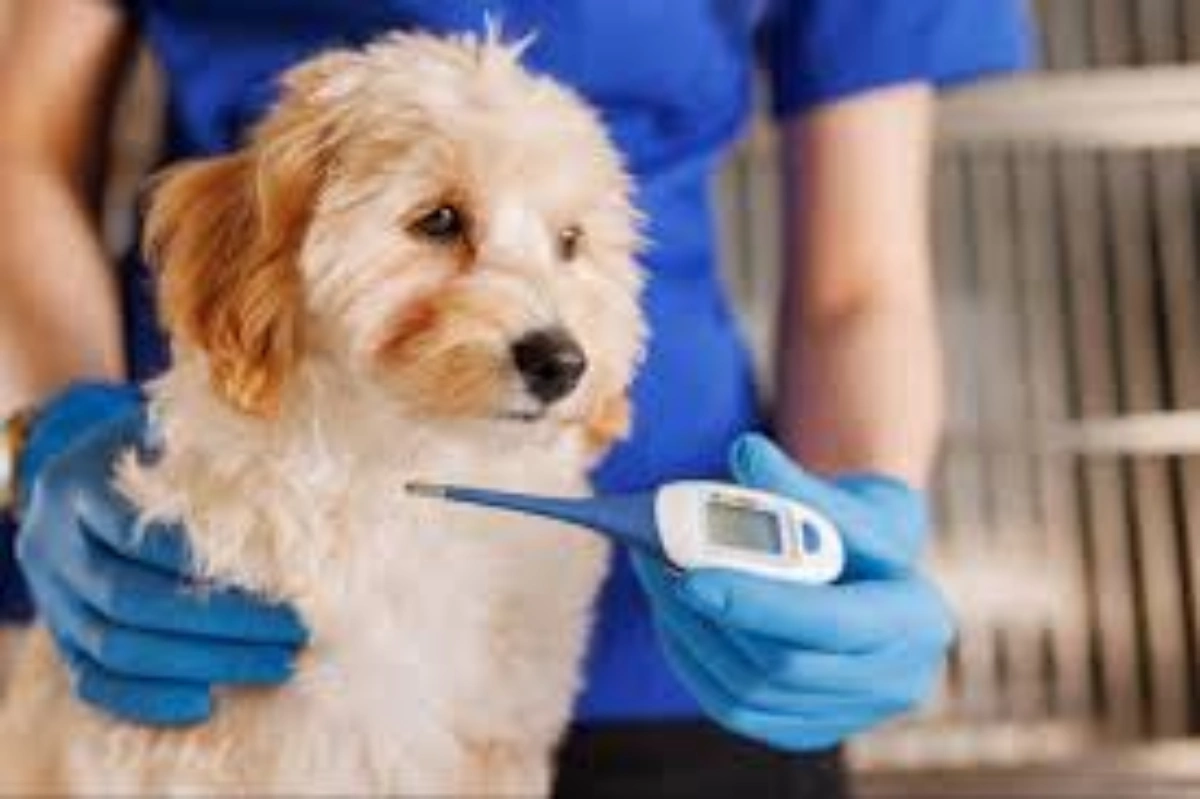
- She has a high temperature (above 39.5°C), appears feverish, or is shivering
- She is experiencing muscle tremors, stiffness, or seizures
- She is lethargic, unresponsive, or unable to stand
- There is a foul-smelling or unusual vaginal discharge
- One or more mammary glands are visibly swollen, red, or discharging
- Puppies are crying continuously and appear cold, limp, or are losing weight
In any of these situations, time matters. A phone call to your vet or a rescue helpline is the right first step, not searching for solutions online.
How to Manage a Dog That Rejects or Attacks Her Puppies
If you find yourself in this situation, stay calm. The steps below can help stabilize things while you arrange veterinary support.
- Ensure puppy warmth immediately: Newborn puppies cannot regulate their own body temperature. Separate rejected puppies into a warm, clean box with a covered heating pad set to low, or use a warm water bottle wrapped in cloth. The target temperature is around 29-32°C for newborns.
- Attempt supervised feeding: Some mothers will allow nursing only when held still and calm. Support her gently and allow puppies to latch under close supervision. Never force this; if she is showing aggression, stop and move the puppies to safety.
- Begin bottle feeding: Commercial puppy milk replacer (not cow’s milk) can be given every 1-2 hours in the first week. Your vet or a rescue organization can guide you on quantities and technique. Proper bottle feeding is a skill that can be learned quickly.
- Reduce all sources of stress: Limit visitors, keep the area quiet, minimize handling by people the mother doesn’t know well. Give her privacy, but maintain close observation.
- Contact your veterinarian: Maternal behavior problems rarely resolve on their own without understanding the cause. A vet examination will check for mastitis, eclampsia, metritis, pain, fever, or other treatable conditions that may be driving the behavior.
Related Products

Can Maternal Behavior Problems Be Prevented?
Not always, but thoughtful preparation significantly reduces the risk.
Proper Prenatal Care
Regular veterinary check-ups during pregnancy, deworming, vaccinations, and nutritional support set a strong foundation. A healthy, well-nourished mother is far more likely to handle the demands of whelping and nursing without complications.
A Calm, Safe Whelping Space
Prepare a quiet, warm, private area for your dog at least 1-2 weeks before her due date so she has time to feel comfortable there. A low-sided whelping box in a low-traffic corner of the home works well. Keep children and other pets away in the immediate post-birth period.
Nutrition Support
Nursing dogs have significantly higher caloric and calcium needs. High-quality puppy food (which is calorie-dense and nutritionally complete) is often recommended during lactation. Discuss calcium supplementation only with your vet; inappropriate supplementation can itself cause eclampsia.
Monitoring First-Time Mothers Closely
Plan to be present, or check frequently, in the first 12-24 hours after whelping for a first-time mother. This is when bonding establishes, colostrum is consumed, and problems are most likely to emerge. Early intervention almost always leads to better outcomes.
When is Spaying Recommended?
For dogs that have experienced significant maternal behavior problems, particularly recurring ones across litters, spaying is worth a serious conversation with your veterinarian. Spaying eliminates future pregnancy-related complications, including the risk of pyometra (uterine infection), eclampsia, mastitis, and postpartum difficulties.
Beyond the health benefits for the individual dog, spaying also contributes to responsible population management, a particularly important consideration in India, where the stray and surrendered dog population places enormous pressure on rescue and shelter resources.
The ideal timing for spaying after a litter is typically once the puppies are fully weaned (around 6-8 weeks) and the mother’s hormones and mammary glands have normalized, usually around 2-3 months after whelping. Your veterinarian can advise on the appropriate window for your dog specifically.
Supporting a New Mother Dog Safely
Maternal behavior problems in female dogs are not a reflection of a dog’s character; they are almost always a sign that something needs attention, whether medical, environmental, or nutritional. With the right support, many mothers can be helped to bond with and care for their puppies successfully.
As a pet parent, the most valuable things you can do are: prepare a calm, private space before birth; monitor closely in the first 24 hours; know the warning signs; and reach out to your veterinarian early if something doesn’t seem right. Trust your instincts; if something feels off, it usually is worth a call.
If you are dealing with a rescue litter, a very young or unwell mother, or a situation that feels beyond your capacity to manage alone, please do not hesitate to contact a veterinarian or a rescue organization in your area. You do not have to navigate this alone.