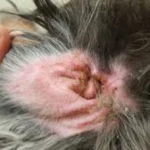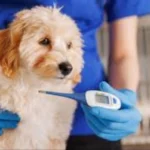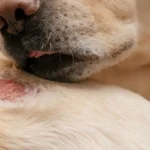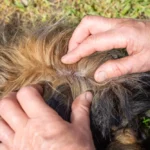

A swelling near a dog’s jaw or below its ear can appear suddenly and seem minor at first glance. The dog may be eating a little less, drooling slightly more, or showing a reluctance to open its mouth fully. It is easy to assume the dog bumped itself or is simply having an off day.
What that swelling can represent, however, is an inflamed parotid gland, a condition referred to as mumps or parotitis in dogs, that signals an active infectious or inflammatory process requiring proper identification and care. Getting this wrong, either by ignoring it or by misattributing it to something minor, allows a treatable condition to progress unnecessarily.
What This Condition Actually Means in Dogs
Mumps in dogs refers to inflammation of the parotid gland, one of the major salivary glands located below and behind the ear, near the angle of the jaw. The medical term is parotitis.
An important distinction applies here. In humans, mumps is caused by a specific paramyxovirus that infects the parotid glands directly. In dogs, true infection with the human mumps virus is possible but rare. What is seen far more commonly in veterinary practice is parotid gland inflammation driven by other causes, including secondary bacterial infections, trauma to the gland or its duct, underlying viral illness, or blockage of the salivary duct that leads to gland swelling.
This distinction matters because it shapes the diagnostic approach. A dog with parotid swelling is not simply a canine version of human mumps. It is a dog with a specific gland problem that has one of several possible causes, each requiring different management.
Where the Swelling Happens
The parotid gland sits in the anatomical space just below and behind the base of the ear, running toward the angle of the jaw. It is one of four paired salivary glands in the dog, and it is the largest.
When this gland becomes inflamed, the swelling appears in this characteristic location, creating a visible and palpable fullness just below the ear on one or both sides of the face. Unilateral swelling, affecting only one side, is more common and helps localise the problem. Bilateral swelling, affecting both sides simultaneously, occurs less frequently but can indicate a more systemic infectious process.
The location is distinctive enough that owners who know what to look for will recognise the anatomical pattern of parotid swelling as different from other facial swellings, including lymph node enlargement or dental abscesses.
What You Might Notice First
The clinical signs of parotitis in dogs are consistent and, taken together, point clearly toward salivary gland involvement.
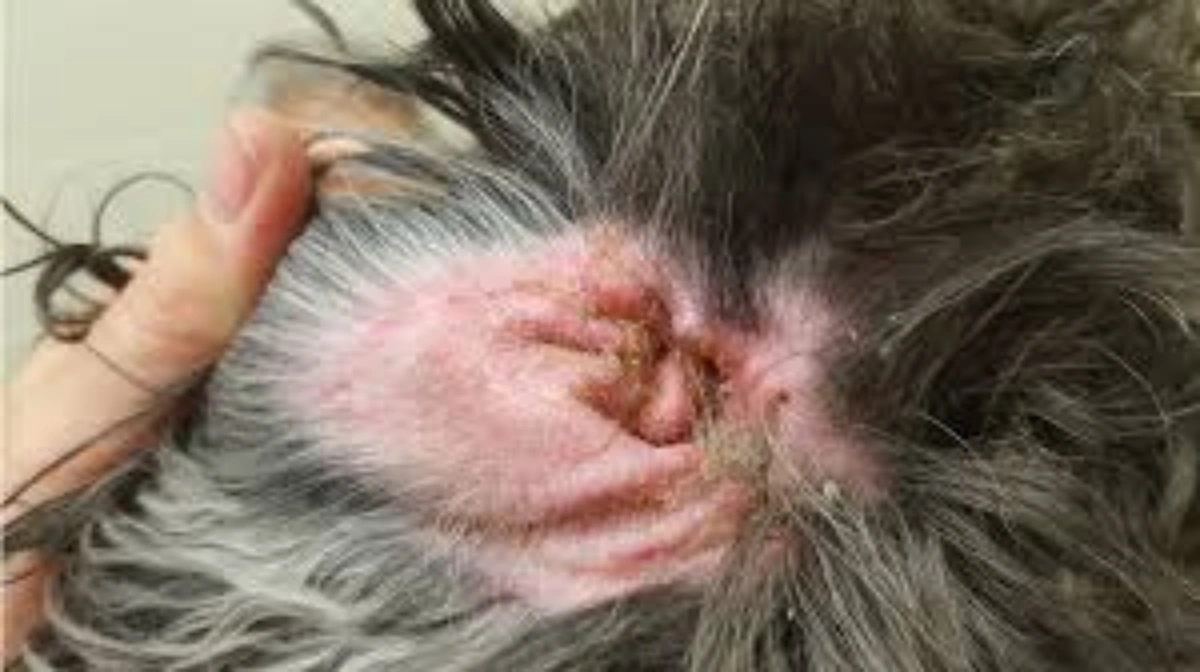
- Visible swelling below and behind the ear on one or both sides, which may feel firm or fluctuant depending on whether inflammation or fluid accumulation predominates
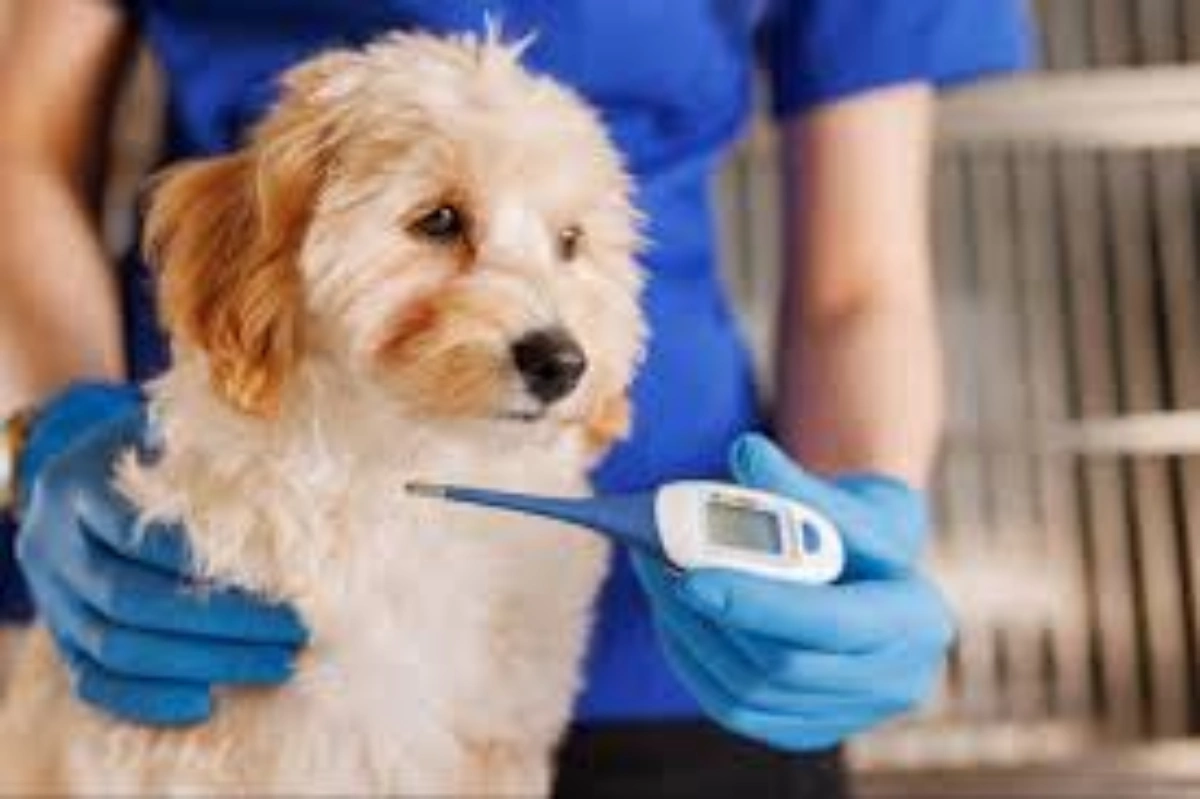
- Fever, reflecting the systemic response to infection or inflammation
- Pain when opening the mouth, since the parotid gland and its duct lie close to the structures involved in jaw movement, and the inflammation creates pressure in this region
- Drooling that is increased above the dog’s normal baseline, driven by the disruption of normal salivary flow and the discomfort of gland inflammation
- Difficulty swallowing, particularly in more advanced cases where swelling is significant enough to create mechanical interference
- Reduced appetite and lethargy as the dog’s general condition reflects the presence of an active infection or inflammatory process
The combination of facial swelling in this specific anatomical location with pain on mouth opening and reduced appetite should prompt veterinary assessment rather than home management.
Related Videos


Why This Happens: Breaking Down the Causes
Parotitis in dogs develops through several different pathways, and identifying which pathway is responsible in a given case determines the treatment approach.
- Viral infection is the least common but most directly analogous to human mumps. Dogs can be exposed to the paramyxovirus responsible for human mumps through contact with infected humans, and documented cases of canine parotitis following such exposure exist. However, this is genuinely rare in clinical practice
- Secondary bacterial infection is a more common driver of acute parotid swelling. Bacteria can reach the gland via the salivary duct from the oral cavity, or through haematogenous spread from a systemic infection elsewhere in the body
- Salivary duct obstruction, caused by a foreign body, thick mucus plug, or calcified salivary stone, blocks the normal flow of saliva from the gland, causing the secretion to back up within the gland and produce swelling and pressure that may become secondarily infected
- Trauma to the gland or its duct from injury, bite wounds, or foreign body penetration can trigger both direct inflammatory responses and secondary infection
How the Infection Develops Inside the Body
The mechanism by which parotid gland inflammation progresses explains why symptoms develop in the specific pattern they do and why prompt treatment prevents escalation.
When a virus or bacteria reaches the parotid gland, either through the duct from the oral cavity, through the bloodstream, or through direct trauma, the immune system mounts an inflammatory response within the gland tissue itself. Increased blood flow to the area produces the warmth and redness of acute inflammation. Fluid accumulation in the gland tissue produces the swelling that is externally visible.
The parotid gland’s anatomical position means that as it swells, it creates pressure on adjacent structures, including the muscles of mastication, the ear canal, and the regional lymph nodes. This pressure is the source of the pain in the mouth opening and the apparent earache-like discomfort that dogs with parotitis often display.
If the inflammation is driven by bacterial infection and is not treated, the infection can progress within the gland, forming an abscess. Abscess formation within the parotid gland creates a contained pocket of pus that requires drainage in addition to antibiotic treatment. In severe or neglected cases, the infection can spread to regional lymph nodes, the surrounding soft tissue, or systemically through the bloodstream.
Different Presentations You May See
Parotitis in dogs does not present identically in every case, and recognising the different forms helps owners describe what they are seeing accurately to the veterinarian.
Acute viral parotitis develops rapidly over one to two days, with sudden onset of swelling, fever, and systemic signs including lethargy and reduced appetite. The gland is typically painful and warm.
Chronic inflammatory swelling develops more gradually and may be less painful than the acute form. The gland feels firmer, and the systemic signs may be less prominent.
Secondary bacterial infection of the gland often presents with more severe pain, a very warm and fluctuant swelling suggesting abscess formation, and more pronounced systemic illness, including fever and complete appetite loss.
Salivary mucocele or duct obstruction produces a typically softer, fluctuant swelling that is less painful than infected parotitis and may be accompanied by a visible soft mass under the jaw or in the neck as saliva accumulates in abnormal tissue spaces. A broader clinical overview of salivary gland swelling in dogs covers the full spectrum of salivary gland conditions and helps contextualise how parotitis sits within this broader category.
How a Vet Confirms the Cause
Because multiple conditions can produce swelling in the parotid region and the management differs significantly between them, accurate diagnosis requires a structured veterinary assessment.
- Physical examination establishes the location, size, consistency, and pain level of the swelling, and assesses for fever and systemic signs that indicate active infection
- Blood tests, including a complete blood count, assess for elevated white cell counts indicating active infection or inflammation, and provide a baseline measure of organ function
- Ultrasound imaging of the gland allows the veterinarian to distinguish solid inflammatory swelling from abscess formation or fluid accumulation, and to assess the internal architecture of the gland
- Fine needle aspiration, where a small needle is used to sample the contents of the swelling, helps determine whether the material within is inflammatory, purulent, or simply fluid, and samples can be sent for culture and sensitivity testing if bacterial infection is suspected
- Ruling out tumours is an important component of the diagnostic process for any persistent or unusual salivary gland swelling, as salivary gland tumours, while uncommon, do occur in dogs and require entirely different management
Treatment: Why Most Dogs Recover Quickly
The majority of dogs with acute parotitis recover well when the condition is identified promptly and managed appropriately.
Supportive care forms the foundation of treatment for viral parotitis, including ensuring adequate fluid intake, providing soft food that does not require extensive chewing and reduces the mechanical stress on the inflamed gland, and managing fever and pain with veterinarian-prescribed anti-inflammatory medication.
Antibiotics are prescribed when bacterial involvement is confirmed or strongly suspected. The choice of antibiotic is guided by the likely organisms involved and, where available, by culture and sensitivity results from aspirated material.
Drainage is required if an abscess has formed within or around the gland. This is performed under veterinary supervision and typically combined with antibiotic treatment.
Most mild to moderate cases of parotitis resolve within five to ten days of appropriate treatment. Dogs that are managed early show rapid improvement in swelling, pain, and appetite within the first few days of treatment.
Related Products



What Recovery Looks Like Over Time
The prognosis for dogs with parotitis is generally excellent when the condition is diagnosed and treated at an early or moderate stage.
Swelling reduces progressively over the first week of treatment. Appetite typically improves within two to three days as pain from the inflamed gland is controlled. Most dogs return to normal activity and eating within a week to ten days.
The risk of recurrence depends on whether the underlying cause has been fully addressed. Dogs with salivary duct obstruction that is not resolved are at risk of repeated gland swelling. Dogs with a history of parotitis benefit from monitoring for any recurrence of the characteristic swelling pattern so that early treatment can be initiated if it does recur.
When It Becomes More Than Just Swelling
While most cases of parotitis are straightforward, certain developments signal that the condition has escalated beyond simple gland inflammation.
- Abscess formation within the parotid gland requires surgical drainage and more intensive antibiotic treatment than uncomplicated inflammatory parotitis
- Gland rupture, where an untreated abscess bursts into surrounding tissue, creates a significantly more complex wound management situation
- Difficulty breathing or swallowing in cases where swelling has progressed to involve adjacent structures, including the pharynx or larynx, though this is rare, represents a genuine emergency requiring immediate veterinary care
- Systemic sepsis if the infection spreads into the bloodstream, producing fever, collapse, and multi-organ involvement
Dogs that show any sign of deteriorating rather than improving after the initial stages of treatment, or that develop the above signs at any point, need immediate veterinary reassessment.
Mumps vs Other Salivary Gland Conditions
| Condition | Cause | Pain Level | Swelling Character | Treatment |
|---|---|---|---|---|
| Parotitis (Mumps) | Viral, bacterial, or inflammatory | Moderate to high | Firm, warm, localised to the gland | Anti-inflammatories, antibiotics, supportive care |
| Salivary Mucocele | Duct rupture, fluid accumulation | Low to mild | Soft, fluctuant, may be under the jaw | Surgical drainage or excision |
| Salivary Gland Tumour | Neoplastic | Variable | Firm, progressive, may be fixed | Surgery, oncology assessment |
| Lymph Node Enlargement | Infection or cancer elsewhere | Variable | Firm or soft, may be multiple | Depends on underlying cause |
When This Needs Immediate Attention
Take your dog to a veterinarian immediately if any of the following signs are present.
- Swelling that is expanding rapidly over hours rather than days
- The dog showing signs of difficulty breathing or swallowing
- High fever alongside the swelling with complete refusal to eat or drink
- Visible opening or discharge from the swelling suggesting rupture
For dogs that show any weakness, exercise intolerance, or collapse alongside generalised illness, understanding conditions that can produce similar systemic signs is important. VOSD’s clinical guide on collapse during exercise in dogs provides context for distinguishing localised gland conditions from systemic conditions that require different emergency management.
When to See a Vet Without Waiting
Any swelling near the jaw or below the ear that persists for more than two to three days, that is associated with pain on mouth opening, or that is accompanied by fever, reduced appetite, or lethargy, warrants a veterinary assessment without delay.
Do not attempt to massage, compress, or apply heat to the swelling at home without veterinary guidance, as this can worsen the condition if an abscess is present. Do not wait to see whether the swelling resolves on its own beyond two to three days, as bacterial infections within the gland do not self-resolve and will progress if untreated.
For broader reference on the full range of medical conditions that can affect dogs across different body systems, the VOSD Dog Medical Conditions library provides clinically accurate guidance across the complete spectrum of canine health conditions.