

A walk is not a checkbox on the daily routine. It is the most important hour of your dog’s day.
For a dog, a walk is not simply about covering ground. It is physical exercise, mental stimulation, environmental enrichment, social learning, and the primary opportunity to engage with the world beyond the four walls of home. Every smell encountered, every sound processed, every surface walked on contributes to a dog’s psychological and physiological well-being in ways that no amount of indoor play can fully replicate.
When walks are skipped, shortened, or reduced to a perfunctory loop around the block, the consequences accumulate. Anxiety increases, destructive behaviour emerges, and physical health declines. The dog that seems difficult at home is often simply a dog that has not been adequately walked.
Why Walking Is Non-Negotiable for Dogs
Dogs are biologically structured for movement. Their cardiovascular system, musculoskeletal system, digestive function, and neurological wellbeing all benefit from regular, sustained physical activity. Regular walking maintains a healthy body weight, reduces the risk of obesity-related joint disease, supports cardiovascular fitness, and promotes healthy gut motility.
Beyond the physical, walking addresses the dog’s fundamental need for mental engagement. A dog’s nose contains approximately 300 million olfactory receptors compared to a human’s six million. Every sniff on a walk is the equivalent of reading an entire page of information about the environment. Depriving a dog of this olfactory stimulation is the equivalent of leaving a highly intelligent person in an unstimulating, information-poor environment indefinitely.
The behavioural consequences of under-walking are well documented: destructive behaviour at home, excessive vocalization, hyperactivity when the owner arrives, and anxiety-driven repetitive behaviours are all strongly correlated with insufficient physical and mental exercise.
How Much Walking Does Your Dog Actually Need?
The answer varies by breed, age, and individual energy level, but a useful baseline is this: most healthy adult dogs need thirty to sixty minutes of walking daily, split across two walks where possible. This is a minimum for maintenance, not an ideal.
Working breeds and high-energy breeds, including German Shepherds, Border Collies, Siberian Huskies, and Labrador Retrievers, require significantly more. These dogs were bred for sustained physical work and become difficult to manage when their exercise needs are not met.
Puppies need shorter, more frequent outings rather than long, sustained walks. Over-exercising puppies on developing joints carries real orthopedic risk. The general guideline of five minutes per month of age, twice daily, provides a sensible framework.
Senior dogs still need regular walking, adjusted for their comfort and capacity. Shorter walks at a gentler pace, maintained consistently, are more beneficial than occasional long outings. The temptation to reduce an older dog’s walks significantly is understandable but counterproductive: gentle regular movement maintains muscle mass, joint health, and mental engagement in aging dogs.
Before You Step Out: Setting Up the Right Routine
A walk that begins with the dog dragging the owner out the door has already established the wrong dynamic. The walk should start with the dog in a calm state, waiting for the signal to leave rather than charging through the door.
Basic leash manners, meaning walking without constant pulling, and responding to directional guidance, make every walk safer and more enjoyable for both parties. These are not advanced training skills. They are the minimum functional behaviours a dog needs before walking in any environment with traffic, other dogs, or people.
Establish the routine at a consistent time each day. Dogs are creatures of a predictable schedule, and a consistent walking time regulates their arousal levels, digestive cycle, and expectation management in ways that reduce household tension.
Related Videos


What You Need for a Safe Walk
A four to six-foot fixed-length leash provides enough freedom for the dog to explore while maintaining adequate control. A well-fitted harness distributes pressure across the chest rather than concentrating it on the throat, which is particularly important for dogs that pull or have any respiratory concerns. Poop bags are not optional. Fresh water for longer walks, particularly in warm weather, prevents dehydration.
Retractable leashes are not appropriate for walking in environments with traffic, other dogs, or unpredictable situations. They provide inadequate control, create entanglement hazards, and produce an inconsistent signal to the dog about acceptable distance.
What Your Dog Experiences on a Walk
A walk experienced at the dog’s pace rather than the owner’s pace is a fundamentally different experience. A dog allowed to sniff, stop, investigate, and process its environment is receiving genuine mental enrichment. A dog marched briskly through its route with minimal sniffing allowed, has had its legs exercised and nothing else.
Sniff walks, walks specifically structured to allow the dog to lead the pace and stop to investigate at will, have documented benefits for reducing cortisol levels, improving post-walk calm, and providing the kind of cognitive engagement that tires a dog more thoroughly than physical exercise alone. Allowing ten minutes of free sniffing time during a regular walk costs nothing and provides substantial enrichment.
Common Mistakes Owners Make While Walking Dogs
Allowing constant pulling teaches the dog that pulling works as a strategy for moving forward. Every walk where the dog pulls, and the owner follows, reinforces this behaviour. Teaching loose-leash walking requires consistency and patience but produces a fundamentally safer and more enjoyable walking experience.
Rushing the walk defeats much of its purpose. A dog that is hurried through its routine sniffing spots and denied time to process its environment is not receiving the enrichment benefit of the walk, only the physical one.
Skipping walks entirely during bad weather or busy days, as an occasional exception, is understandable. As a pattern, it undermines the routine and accumulates a significant deficit in the dog’s exercise and enrichment needs.
Using a walk as the dog’s only form of exercise, while it is the primary tool, supplementing with play, training sessions, and off-lead time where appropriate and safe, produces a more comprehensively exercised and settled dog.
How to Walk Your Dog Properly
The structure that produces the most consistently manageable walk follows a simple sequence.
Begin with the dog in a sit or calm stand before the leash goes on. Leave through the door only when the dog is calm. Walk with the dog at your side or slightly behind rather than in front. Allow controlled stops for sniffing. Redirect calmly when the dog pulls, using direction changes rather than physical corrections. Reward calm, loose-leash walking with praise and the opportunity to sniff as a reward. Return home with the dog still in a calm state.
This structure is not rigid training for competition walking. It is the practical minimum that makes walking safe and manageable in environments with unpredictable elements.
Safety Risks You Should Always Watch For
| Risk Category | Specific Hazard | Management |
|---|---|---|
| Traffic | Vehicles, cyclists, motorcycles | Maintain a short leash in traffic, keep dog on pavement side |
| Other animals | Aggressive dogs, wildlife, livestock | Cross the road to increase distance, do not allow face-to-face greetings without assessment |
| Environmental | Hot pavement, broken glass, chemical spills | Check pavement temperature before walking, avoid industrial areas |
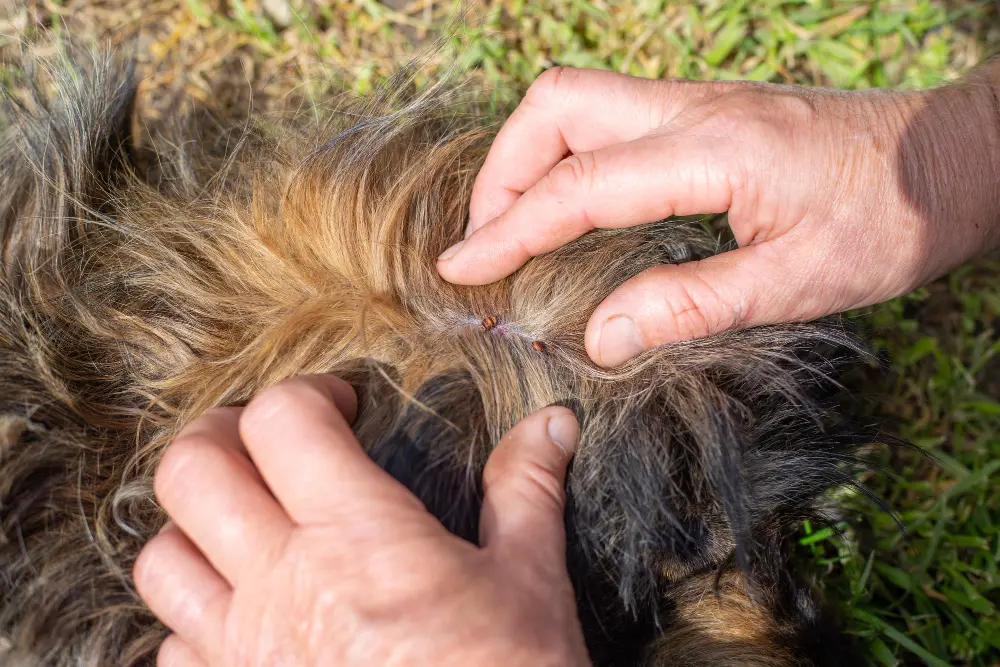
| Parasites | Ticks, fleas, mosquitoes in vegetation | Regular preventive parasite treatment, check the dog after walks through tall grass |
| Weather | Heatstroke, cold injury, dehydration | Walk in cooler parts of the day in summer, shorten walks in extreme temperatures |
Hot pavement deserves particular attention. Asphalt in direct sunlight can reach temperatures well above 60 degrees Celsius in summer, capable of causing serious paw pad burns within minutes. The rule of thumb is reliable: if the pavement is too hot to hold your own hand on for seven seconds, it is too hot for your dog to walk on.
Related Products




Different Walking Styles and When to Use Them
A structured walk prioritizes loose-leash walking, directional control, and behavioural discipline. It is appropriate for dogs in training, in busy environments, or when the owner needs reliable control.
A sniff walk prioritizes the dog’s pace, investigatory behaviour, and mental engagement. It is appropriate for enrichment-focused outings, for dogs with high mental stimulation needs, and for any dog that could benefit from reduced cortisol and increased calm post-walk.
An exercise walk prioritizes sustained movement at a brisk pace for cardiovascular benefit. It is appropriate for high-energy breeds and as a supplement to standard walking when more physical output is needed.
The most effective routine incorporates elements of all three rather than defaulting entirely to one approach.
What Happens When Dogs Are Not Walked Regularly
A dog that is consistently under-exercised communicates this clearly, just not in language. Chewed furniture, destroyed objects, excessive barking, carpet scratching, and restless, disruptive behaviour in the evenings are all expressions of unspent energy and unmet stimulation needs.
Physically, under-exercised dogs accumulate excess body weight, develop reduced muscle mass, and are more susceptible to joint degeneration. Metabolically, obesity produces cascading health consequences, including increased diabetes risk, cardiovascular strain, and shortened lifespan.
Behaviourally, chronically under-stimulated dogs develop anxiety, frustration-based aggression, and compulsive behaviours that become progressively more difficult to manage as they become established patterns.
Hiring a Dog Walker
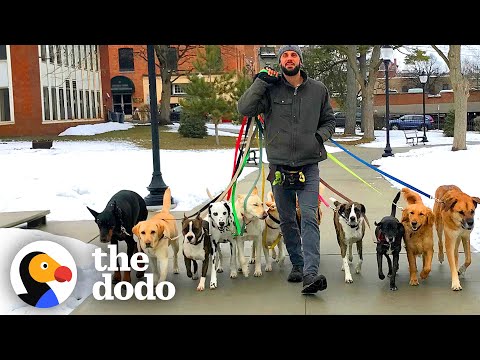
When the owner’s schedule does not reliably allow for consistent daily walking, a professional dog walker provides continuity for the dog. The selection of a walker should not be made on cost alone. Experience with dogs of the specific size, energy level, and temperament matters significantly. The ability to handle leash reactivity, manage interactions with other dogs, and respond appropriately to unexpected situations varies substantially among individuals.
Ask about the walking route, the number of dogs walked simultaneously, and how emergencies are handled. A walker who cannot clearly answer these questions has not thought through the responsibility they are taking on. For a detailed guide on what to look for and what questions to ask, our guide to hiring new dog walkers covers the selection process thoroughly.
If you are planning travel with your dog and need to understand how to manage exercise needs during road trips, train journeys, or flights, our complete guide to travelling with dogs addresses walking and exercise management across different travel scenarios.
For any dog that shows signs of joint pain, limping, respiratory difficulty, or exercise intolerance during or after walks, veterinary assessment is required before continuing the current exercise programme. The full range of conditions that can affect a dog’s ability to exercise comfortably is covered comprehensively in the VOSD dog medical conditions library.
When a Walk Should Be Skipped or Modified
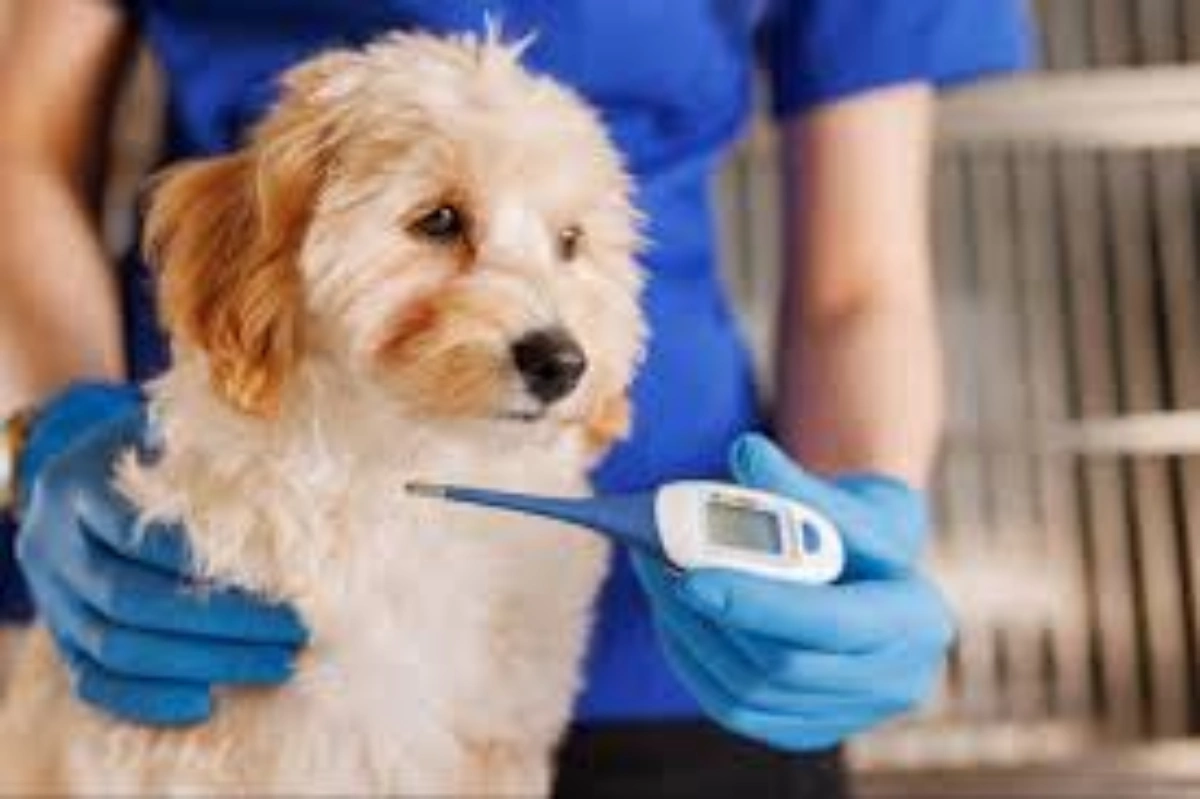
Walking a sick dog is not always appropriate. A dog with fever, vomiting, diarrhea, significant lethargy, or any acute illness needs rest rather than exercise. A dog recovering from surgery or injury should follow walking guidelines established by the treating veterinarian rather than resume the normal routine.
Extreme heat is the most common environmental reason to modify walks. Moving the walk to early morning or late evening, shortening the duration, and choosing shaded surfaces over sun-exposed asphalt are all appropriate adaptations.
Extreme cold, significant air pollution events, and heavy rain or lightning are all conditions where indoor alternatives such as training sessions, interactive games, and food puzzle activities can partially substitute for the enrichment component of a missed walk.