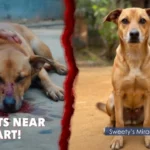

He ate his food, wagged his tail, and followed you to the door the way he always does.
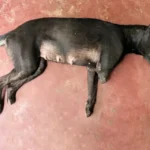
But now he is on the floor. His back legs are not moving. He is dragging himself forward with his front legs, looking up at you with an expression that breaks something inside you.
You have never seen this before. You do not know what happened. There was no accident you witnessed, no fall, no obvious injury.
But this is a medical emergency. Every minute you wait matters.
What you are looking at is paralysis. And in dogs, paralysis is one of the most time-critical conditions that exists. The difference between a dog that recovers and a dog that does not often comes down to how quickly the right help was found.
Understanding What Paralysis Means in Dogs
Paralysis in dogs is the complete or partial loss of voluntary muscle movement caused by a disruption somewhere along the pathway between the brain, the spinal cord, and the nerves that control the muscles.
Movement in a healthy dog is the result of a continuous, rapid exchange of signals. The brain sends a command. That command travels down the spinal cord. It passes through the peripheral nerves into the muscles. The muscles respond. This happens thousands of times a day without the dog or the owner ever thinking about it.
When any part of that pathway is damaged, compressed, inflamed, or destroyed, the signal cannot get through. The muscle receives no instruction. It does not move. That failure of movement is paralysis.
It is not a weakness. It is not reluctance. It is a failure of the nervous system to deliver the message that movement should happen at all.
What You May Notice Before and During Paralysis
Paralysis rarely appears from nowhere. In most cases, there are warning signs in the hours or days before a dog loses movement entirely. Knowing what to look for can make the difference between catching a problem early and facing a crisis.
Early warning signs that should never be ignored:
- Sudden reluctance to climb stairs, jump, or move in previously effortless ways
- Wobbling or swaying while walking, particularly in the hind legs
- Dragging one or both hind legs intermittently while still able to bear some weight
- Stumbling or crossing the legs while walking is called ataxia
- Yelping or crying when the back is touched, lifted, or when the dog tries to move
- A hunched posture or an arched back that the dog holds rigidly
- Loss of coordination that appears suddenly and does not resolve with rest
- Visible muscle weakness where the dog collapses or sits down unexpectedly during a walk
Signs indicating active or progressing paralysis:
- Complete inability to move one or more limbs
- Dragging the hind legs while using only the front legs to move
- Loss of bladder or bowel control, meaning the dog urinates or defecates without awareness or intention
- Loss of sensation in the affected limbs, where the dog does not respond to touch or pressure in the legs
- Limpness of the tail with no movement despite the dog attempting to wag
- Breathing difficulty if the paralysis affects the muscles of the chest
Why Paralysis Happens: Key Causes Explained
Paralysis in dogs has many possible causes. What they share is that every single one of them involves damage to, compression of, or disruption of the nerves or spinal cord that carry movement signals from the brain to the muscles.
The most common causes include:
- Intervertebral disc disease (IVDD): The most frequent cause of sudden hind leg paralysis in dogs. The soft cushioning disc between vertebrae ruptures or herniates, pressing directly on the spinal cord and blocking nerve signals. It can progress from mild pain to complete paralysis within hours
- Spinal cord trauma: Road accidents, falls from height, or direct blows to the spine can fracture vertebrae or crush the spinal cord, causing immediate and severe paralysis
- Degenerative myelopathy: A progressive, painless degeneration of the spinal cord seen in older dogs, particularly German Shepherds. It begins as weakness in the hind legs and advances slowly to full paralysis
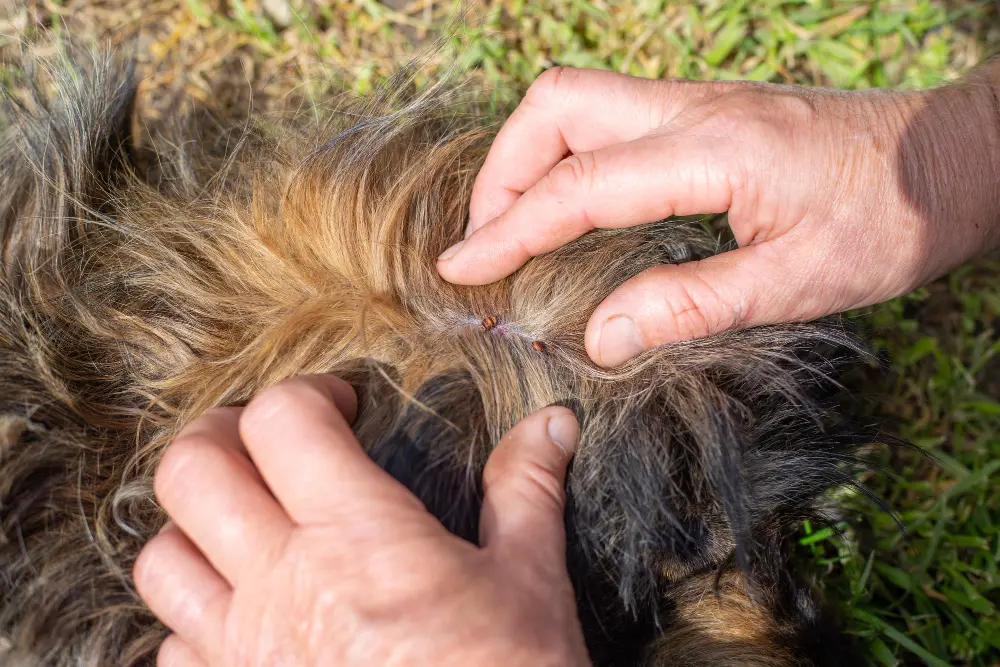
- Tick paralysis: A toxin released by certain species of ticks blocks the signals at the junction between nerve and muscle, producing a rapidly ascending paralysis that begins in the hind legs and can reach the chest. Read more about Tick Paralysis in Dogs
- Fibrocartilaginous embolism (FCE): A fragment of disc material enters the blood supply to the spinal cord and causes a sudden, stroke-like injury. Onset is abrupt, often during exercise, and not typically painful after the initial event
- Infections of the spinal cord or surrounding tissue: Bacterial, viral, fungal, or protozoal infections producing discospondylitis or meningomyelitis
- Tumours: Masses within the spinal canal, on the vertebrae, or on the nerve roots compress the cord progressively until movement is lost
- Congenital malformations: Some dogs are born with structural abnormalities of the spine or spinal cord that produce progressive paralysis as they grow
Related Videos


Inside the Condition: How Nerve Signals Stop Working
Understanding why paralysis happens the way it does requires understanding what the nervous system is actually doing when a dog moves, and what breaks down when it cannot.
Stage 1: The movement command originates in the brain
Every voluntary movement begins as an electrical signal generated in the motor cortex of the brain. That signal is specific, directional, and immediate. It knows which muscle group to activate and how strongly.
Stage 2: The signal travels through the spinal cord
The signal passes from the brain down through the spinal cord, which acts as the main communication highway of the nervous system. The spinal cord is protected by the vertebrae, but any compression, swelling, or direct injury to the cord can interrupt the signal at that point.
Stage 3: Peripheral nerves carry the signal to the muscles
From the spinal cord, the signal passes into the peripheral nerves that branch outward to reach specific muscle groups. Damage to these nerves, whether from trauma, toxins, or inflammation, can block the signal before it reaches its destination.
Stage 4: Signal interruption produces paralysis
When the signal is blocked at any point along this pathway, the muscle group it was intended to reach receives nothing. It does not contract. The limb does not move. If the interruption is partial, weakness results. If the interruption is complete, paralysis results.
Stage 5: Secondary damage accelerates if untreated
Spinal cord compression causes not only direct mechanical damage but also triggers inflammatory responses, swelling, and reduced blood supply to the cord tissue. This secondary damage worsens rapidly in the hours following the initial event. This is why time from injury to treatment is the single most important factor in determining how much function a dog can recover.
Different Types of Paralysis in Dogs
Not all paralysis looks the same or affects the body in the same way. Understanding the type helps determine the urgency and the likely cause.
| Type | Description | Limbs Affected | Common Causes |
|---|---|---|---|
| Monoplegia | Paralysis of a single limb | One leg | Peripheral nerve injury, localised trauma |
| Paraplegia | Paralysis of both hind limbs | Both hind legs | IVDD, degenerative myelopathy, FCE |
| Hemiplegia | Paralysis of limbs on one side of the body | Front and hind on one side | Brain lesion, stroke |
| Tetraplegia | Paralysis of all four limbs | All four legs | High cervical spinal cord injury, severe IVDD |
| Paresis | Partial loss of movement, weakness without complete loss | Any limb or limbs | Early IVDD, degenerative disease, nerve injury |
The location of the paralysis gives the vet the first and most important clue about where in the spinal cord or nervous system the problem originates.
How Vets Diagnose the Cause of Paralysis
Accurate diagnosis determines everything. The treatment for IVDD is different from the treatment for tick paralysis, which is different again from the treatment for a spinal tumour. Getting it right matters enormously.
The diagnostic process typically involves:
- Detailed history of onset, progression, known trauma, recent activities, and any tick exposure
- Full neurological examination assessing voluntary movement, deep pain sensation, spinal reflexes, and postural reactions in each limb
- Palpation of the spine to identify pain localisation and narrow the suspected level of spinal cord involvement
- X-rays of the spine to identify fractures, disc space narrowing, bone lesions, or vertebral abnormalities
- MRI of the spine is the most sensitive and specific imaging tool for identifying disc herniations, spinal cord compression, FCE, and tumours
- CT scan as an alternative to MRI in centres where MRI is not available
- Blood tests and urinalysis to identify infections, inflammatory conditions, and systemic contributors
- CSF analysis when meningitis, encephalitis, or infectious myelitis is being considered
- Thorough coat and skin check for attached ticks in every case of acute unexplained paralysis
Treatment Depends on the Cause: What to Expect
There is no single treatment for paralysis. Treatment is always directed at the underlying cause. What is done, and how quickly it is done, determines how much function the dog can recover.
Treatment approaches based on cause:
- IVDD with spinal cord compression: Surgical decompression is the most effective treatment when there is significant cord compression, and the dog still has deep pain sensation. The sooner surgery is performed after the onset of paralysis, the better the outcome. Medical management with strict cage rest and anti-inflammatory medication is an option in milder cases
- Spinal trauma with fracture or luxation: Surgical stabilisation of the spine to relieve cord compression and prevent further injury. Prognosis depends on the severity of the initial cord damage
- Tick paralysis: Removal of the tick or ticks and supportive care. Recovery typically begins within hours to days of tick removal and is often complete
- Degenerative myelopathy: No curative treatment. Physiotherapy and mobility support can slow the progression and maintain quality of life for longer
- FCE: Supportive care and intensive physiotherapy. No surgical intervention is possible as the embolism cannot be removed. Recovery depends on the severity of the initial cord injury and is variable
- Spinal tumour: Surgical removal if operable, radiation therapy, or palliative management with anti-inflammatory and pain medication
- Infectious myelitis or discospondylitis: Targeted antibiotic or antifungal therapy based on culture and sensitivity results, often required for extended periods
Supporting Your Dog Through Recovery
Recovery from paralysis, whether partial or complete, is a long process. It requires consistent support at home alongside whatever veterinary treatment has been initiated.
Practical steps to support a paralysed dog at home:
- Use a quality padded harness or a pelvic support sling to assist movement during walks and toilet trips
- Provide deep, supportive orthopaedic bedding that prevents pressure sores in a dog that cannot reposition itself
- Reposition a dog that cannot move itself at least every two to four hours to prevent pressure ulcers from developing
- Assist with bladder emptying by gently expressing the bladder manually if the dog cannot urinate voluntarily, as taught by your vet
- Keep the skin clean and dry in dogs with urinary or faecal incontinence to prevent urine scalding and skin infection
- Begin physiotherapy exercises as directed by your vet, including passive range of motion movements of the affected limbs to maintain joint health and muscle condition
- Consider a purpose-built mobility cart for dogs with permanent or long-term hind leg paralysis to restore independence and quality of life
- Provide ramps at all access points and remove any obstacles that could cause falls
Read the real story of a paralysed stray dog who came home to VOSD for lifelong care to understand what dedicated support genuinely looks like in practice.
What Long-Term Life Looks Like
The long-term outcome of paralysis in dogs is not the same for every dog or every cause. Some dogs make full recoveries. Others adapt to a new normal with the right support.
What determines long-term outcomes:
- Preservation of deep pain sensation at the time of diagnosis is the single most reliable prognostic indicator. Dogs that retain deep pain sensation have a significantly better chance of recovery than those that have lost it
- Speed of intervention matters enormously in compressive causes. Hours matter, not days
- The underlying cause determines the ceiling of possible recovery
- Age, overall health, and the dog’s individual resilience all influence the recovery process
General outcome patterns:
- IVDD treated surgically within 24 to 48 hours of onset: good to excellent recovery in the majority of dogs that retain deep pain
- IVDD with loss of deep pain sensation for more than 48 hours before surgery: significantly reduced chance of recovery
- Tick paralysis caught and treated early: full recovery expected in most cases
- Degenerative myelopathy: progressive deterioration over months to years despite management
- FCE: highly variable, from near-complete recovery to permanent deficits
If left untreated, severe and Irreversible Damage
Paralysis that is caused by spinal cord compression does not wait. It gets worse. The longer the compression continues, the more cord tissue is permanently destroyed.
The consequences of delayed treatment:
- Permanent destruction of spinal cord tissue that cannot regenerate, leading to irreversible loss of function
- Progressive loss of deep pain sensation, which dramatically reduces the chance of any meaningful recovery
- Severe pressure sores developing within 24 to 48 hours in a dog that cannot move and is not being managed
- Urinary tract infections from unmanaged bladder dysfunction, which can progress to kidney damage
- Severe muscle atrophy from prolonged disuse further reduces the chance of functional recovery, even if nerve function returns
- Permanent incontinence if the sacral nerve roots controlling bladder and bowel function are permanently damaged
Paralysis vs Weakness vs Other Neurological Conditions
These conditions are frequently confused in the acute stage. The distinction matters because it affects how urgently action is needed.
| Condition | Movement Ability | Pain Present | Sensation Intact | Urgency |
|---|---|---|---|---|
| Complete Paralysis | None | Variable | May be absent | Emergency |
| Paresis (partial paralysis) | Reduced, effortful | Often yes | Usually present | Urgent |
| Ataxia (incoordination) | Present but uncoordinated | Variable | Present | High |
| Generalised Weakness | Reduced across the body | Rarely | Present | Moderate to High |
| Muscle Disease | Reduced, progressive | Rare | Present | Moderate |
The presence or absence of deep pain sensation is the single most important distinction in paralysis assessment. It is tested by the vet by applying firm pressure to the bone of the toe. A dog that feels this stimulus despite having no voluntary movement has a substantially better prognosis than one that does not.
When It Becomes Life-Threatening
Some presentations of paralysis are not just serious. They are immediately life-threatening.
Seek emergency veterinary care without any delay if your dog:
- Loses the ability to move the hind legs suddenly, particularly after a known or suspected trauma
- Shows progressive paralysis that is moving up the body toward the chest and forelimbs
- Develops difficulty breathing alongside limb weakness or paralysis
- Loses the ability to urinate, and the bladder feels large and tense on gentle palpation
- Shows sudden complete paralysis with no preceding signs of weakness or pain
- Was found after a road accident or a fall and cannot bear weight on any limb
Cervical spinal cord injuries and rapidly ascending paralysis affecting the chest muscles can stop breathing. This is an immediate life-threatening emergency.
Acting Fast Can Save Your Dog’s Mobility
Your dog cannot tell you what is happening inside his spine. He cannot describe the pressure, the pain, or the terrifying loss of control over his own legs.
But he is telling you something is wrong. And the way he is dragging himself toward you, still trying to reach you despite everything, is all the reason you need to act right now.
Paralysis in dogs is one of the few conditions where the window for meaningful recovery is measured in hours, not days. What you do in the next few hours can determine whether your dog walks again.
Do not wait for it to get better on its own. Get to a vet. Get the right diagnosis. And get started.
At VOSD, we have seen paralysed dogs recover, adapt, and go on to live full lives because someone acted quickly and did not give up on them.