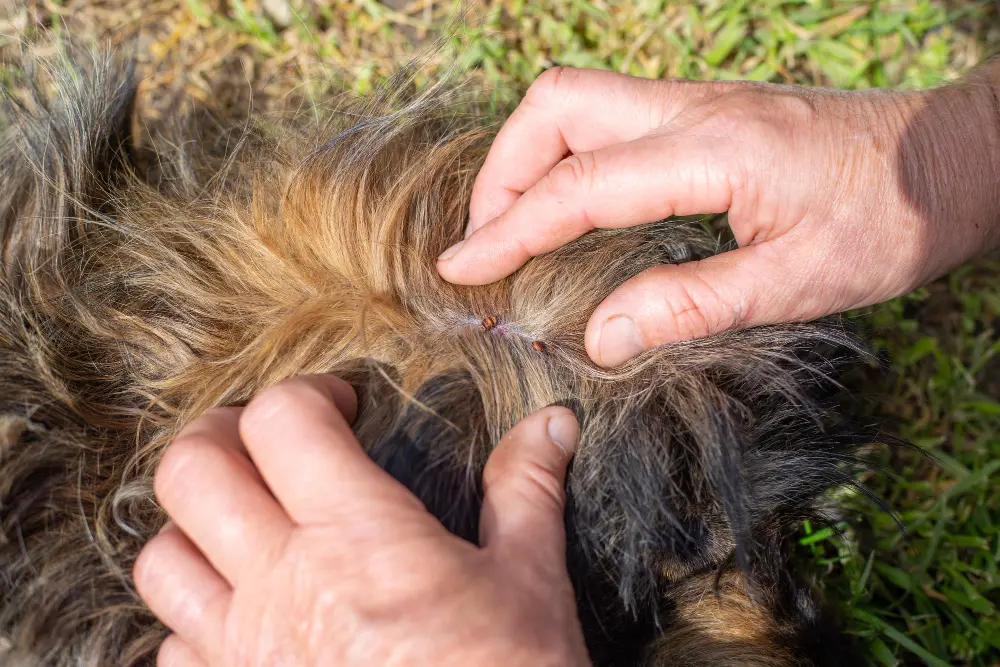

Haemobartonellosis in dogs is a parasitic blood infection that is more commonly encountered in India than many pet parents realise, particularly in dogs with tick or flea exposure. It is caused by Mycoplasma bacteria that attach to and damage red blood cells, leading to anaemia and the symptoms that come with it. While the name sounds complicated, the condition itself is manageable when identified early. Understanding what haemobartonellosis in dogs involves, what warning signs to look for, and when to seek veterinary care makes a real difference to how well an affected dog recovers.
What is Haemobartonellosis in Dogs?
Haemobartonellosis is caused by Mycoplasma haemocanis, a microscopic bacterial parasite that lives on the surface of red blood cells. Once attached, the bacteria interfere with the normal function and lifespan of the red blood cells, triggering the immune system to destroy them prematurely. The result is haemolytic anaemia, a condition where the number of healthy circulating red blood cells falls below what the body needs to carry adequate oxygen to its organs and tissues.
In India, haemobartonellosis in dogs is most commonly associated with tick infestation, which is why it is sometimes grouped informally with other tick-borne illnesses such as ehrlichiosis and babesiosis. However, it can also be transmitted through flea bites, blood-to-blood contact from fighting wounds, and contaminated blood transfusions. Many dogs carry a low level of the bacteria without developing obvious illness, but when immunity is lowered through stress, concurrent infection, or illness, the bacteria can proliferate and cause significant disease.
Symptoms of Haemobartonellosis in Dogs
The symptoms of haemobartonellosis in dogs reflect the consequences of anaemia, as the body’s tissues become progressively deprived of adequate oxygen. Symptoms may develop gradually over days to weeks, and in the early stages they can be subtle enough to be easily overlooked or attributed to general tiredness or a minor illness.
Early and mild symptoms include:
- Unusual tiredness or reluctance to engage in normal activity
- Reduced appetite and decreased interest in food
- Mild weakness, particularly after physical exertion
- Slightly faster breathing than usual
More noticeable symptoms as anaemia progresses include:
- Pale, white, or yellowish gums, which is one of the most reliable visible indicators of significant anaemia
- Rapid or laboured breathing even at rest
- Visible weakness, unsteadiness on the feet, or collapse
- Jaundice, visible as a yellow tinge to the gums, whites of the eyes, or skin, resulting from red blood cell breakdown
- Dark or discoloured urine from the breakdown products of damaged red blood cells
- Fever in some cases, particularly during active phases of infection
- Significant weight loss over a period of weeks
One important characteristic of haemobartonellosis in dogs is that symptoms may fluctuate. A dog may appear relatively stable for a period and then deteriorate, which reflects the episodic nature of red blood cell destruction in this condition. This variability can make it harder to identify without specific testing.
Causes and Transmission of Haemobartonellosis in Dogs
Understanding how haemobartonellosis in dogs is transmitted helps identify which dogs are most at risk and what preventive steps are most meaningful.
| Transmission Route | How It Occurs | Indian Context |
|---|---|---|
| Tick bites | Infected ticks transfer Mycoplasma haemocanis when feeding on a dog’s blood | Ticks are widespread across India year-round, with higher activity in warmer and monsoon months. Dogs with outdoor access are at consistent risk |
| Flea bites | Fleas can carry and transmit the bacteria, particularly in environments with high flea populations | Fleas are common in Indian urban and semi-urban environments, particularly in dogs without regular flea prevention |
| Fighting wounds and blood contact | Direct blood-to-blood transmission through bite wounds during dog fights | Street dogs and dogs with outdoor roaming access are frequently involved in territorial encounters |
| Blood transfusions | Infected donor blood can transmit the bacteria to the recipient | A risk in emergency transfusion situations where donor screening is limited |
Dogs that are already immunocompromised, whether through another illness, stress, poor nutrition, or recent surgery, are significantly more likely to develop clinical disease after exposure. Many dogs carry the organism subclinically for extended periods before a trigger causes active infection.
Related Videos


How Haemobartonellosis in Dogs is Diagnosed
Diagnosing haemobartonellosis in dogs involves a combination of clinical assessment and laboratory testing. Because its symptoms closely resemble those of other tick-borne diseases and other causes of anaemia, specific testing is important for confirming the diagnosis and guiding treatment correctly.
- Complete blood count (CBC): This is the essential first test. It reveals the degree of anaemia, the size and appearance of red blood cells, and other blood cell changes consistent with haemobartonellosis. It is available at most veterinary clinics in Indian cities and provides results quickly
- Blood smear examination: A drop of blood is spread on a glass slide and examined under a microscope. Mycoplasma haemocanis organisms may be visible on the surface of red blood cells, though they are not always present in sufficient numbers to be detected on smear alone
- PCR testing: Polymerase chain reaction testing is the most sensitive method for detecting Mycoplasma DNA in the blood. It is available through veterinary reference laboratories in India and provides the most definitive confirmation, particularly when smear results are inconclusive
- Screening for concurrent tick-borne diseases: Because haemobartonellosis often co-occurs with other tick-transmitted infections such as ehrlichiosis and babesiosis, testing for these conditions alongside is standard practice and important for complete treatment planning
- Blood biochemistry: Assesses liver and kidney function, bilirubin levels from red blood cell breakdown, and general organ health to guide supportive care decisions
Your vet may recommend repeat testing if initial results are inconclusive, as the organisms are shed intermittently and a single negative smear does not rule out the infection.
Treatment and Management of Haemobartonellosis in Dogs
Treatment of haemobartonellosis in dogs focuses on eliminating the bacterial infection and supporting the dog’s recovery from anaemia. Most dogs respond well to appropriate treatment when it is started promptly.
- Antibiotic therapy: Doxycycline is the antibiotic most commonly used for haemobartonellosis in dogs and is typically prescribed for a course of several weeks. It is effective against Mycoplasma haemocanis and is widely available in India. Your vet will prescribe the appropriate dose based on your dog’s weight and the severity of infection
- Immunosuppressive therapy: In some cases, particularly where the immune system is actively destroying red blood cells at a rapid rate, a short course of corticosteroids such as prednisolone is added to reduce immune-mediated destruction. This is a careful balance and should always be managed by a vet
- Supportive fluid therapy: Dogs that are significantly weakened or dehydrated benefit from intravenous fluid support to maintain circulation and organ function
- Blood transfusion: In cases of severe anaemia where the red blood cell count has fallen to a critically low level, a blood transfusion may be necessary to stabilise the dog while antibiotic treatment takes effect
- Nutritional support: A balanced, protein-rich diet supports red blood cell regeneration during recovery. Dogs that are not eating may need assisted feeding or appetite stimulation under veterinary guidance
- Treatment of concurrent infections: If other tick-borne diseases are identified alongside haemobartonellosis, these are treated concurrently with appropriate medications
Related Products



Prognosis: What to Expect
The prognosis for haemobartonellosis in dogs is generally positive when treatment is started before the anaemia has become severe. Many dogs respond well to doxycycline and show noticeable improvement within the first one to two weeks of treatment. Full recovery of red blood cell counts may take several weeks beyond the end of the antibiotic course.
Dogs that are diagnosed late, those with very severe anaemia requiring transfusion, or those with significant concurrent illness face a more guarded prognosis but can still recover with intensive veterinary support. One important consideration is that some dogs become subclinical carriers after recovery, meaning the organism may persist at low levels and could reactivate under stress or immune challenge in the future. Regular monitoring and tick prevention are therefore important even after full clinical recovery.
Prevention of Haemobartonellosis in Dogs for Indian Pet Parents
Given that tick and flea transmission are the primary routes of haemobartonellosis in dogs, effective parasite control is the cornerstone of prevention.
- Consistent tick and flea prevention: Use a vet-recommended tick and flea preventive product appropriate for your dog’s size and lifestyle. Options include spot-on treatments, tick collars, and shampoos. In India, year-round use is advisable given the climate, rather than treating prevention as a seasonal concern
- Regular tick checks: After every outdoor walk, check your dog thoroughly for ticks, paying particular attention to the ears, neck, between the toes, and around the tail. Remove any ticks found promptly using a tick removal tool, grasping close to the skin and pulling steadily without twisting
- Reducing high-risk exposures: Limit unsupervised roaming in heavily vegetated or stray-dog-frequented areas, particularly during peak tick activity in warmer and post-monsoon months
- Wound monitoring: If your dog has been in a fight or sustained bite wounds, have the wounds assessed by a vet promptly and mention the possibility of blood-borne infection as a consideration for follow-up monitoring
- Maintaining overall health: A well-nourished dog with a robust immune system is better equipped to resist subclinical infection progressing to active disease. Regular deworming, vaccination, and health checks all contribute to this baseline resilience
- Hygiene in multi-dog environments: In households with multiple dogs, if one dog is diagnosed with haemobartonellosis, the others should be assessed and tick prevention reviewed for all animals simultaneously
When to See a Vet Without Delay
Contact your vet the same day or seek urgent care if your dog shows any of the following:
- Pale, white, grey, or yellow-tinged gums
- Rapid breathing or visible breathing effort at rest
- Sudden collapse or inability to stand
- Dark or discoloured urine
- Severe lethargy in a dog that was previously active
- Any combination of weakness and known tick exposure, even if symptoms seem mild
Haemobartonellosis in dogs is a condition where early action genuinely changes the outcome. The difference between a dog that recovers smoothly with a course of antibiotics and one that requires hospitalisation and transfusion often comes down to how quickly the diagnosis was made. For pet parents in India, where tick exposure is a consistent everyday reality for many dogs, building tick prevention into routine care and responding promptly to the early signs of anaemia are the two most important things you can do to protect your dog from this parasitic blood infection.