
Neosporosis in dogs is a parasitic disease that does not get discussed as often as tick fever or mange, but it deserves attention, especially among pet parents of puppies and dogs in environments where raw meat or stray animal contact is common. In rescue work across India, cases of hind limb weakness in young dogs frequently point back to this infection. The encouraging reality is that dogs identified and treated early have a meaningfully better chance of recovery than those where care is delayed.
This guide walks you through everything you need to know about neosporosis in dogs, from how the parasite spreads to what treatment and long-term care look like in practice.
What Is Neosporosis in Dogs?
Neosporosis in dogs is caused by a microscopic protozoan parasite called Neospora caninum. Dogs are the definitive host of this parasite, meaning the parasite completes its full lifecycle within the dog’s body. Once inside, Neospora caninum can infect multiple tissues including muscle, the nervous system, and the brain, which is why the symptoms of neosporosis in dogs are often neurological in nature.
The parasite was only identified relatively recently, in the late 1980s, and many cases that were previously attributed to other conditions such as toxoplasmosis are now understood to have been neosporosis. Awareness of this infection among pet parents in India remains limited, which means diagnosis is often delayed.
| Feature | Detail |
|---|---|
| Causative organism | Neospora caninum (protozoan parasite) |
| Definitive host | Dogs (parasite completes full lifecycle here) |
| Intermediate hosts | Cattle, sheep, goats, and other livestock |
| Most affected | Puppies under six months and immunocompromised adult dogs |
| Primary concern | Neurological damage, particularly hind limb paralysis |
How Do Dogs Get Neosporosis?
Understanding how neosporosis in dogs spreads helps identify which animals are most at risk and where prevention is most relevant. There are three main routes of transmission:
- Mother to puppy (vertical transmission): This is the most significant route. An infected mother dog can pass Neospora caninum to her puppies across the placenta during pregnancy. This is why entire litters sometimes show signs of neosporosis simultaneously, and why the condition is particularly common in puppies under six months.
- Eating raw or undercooked meat: Dogs that consume raw meat from intermediate hosts such as cattle, sheep, or goats can ingest tissue cysts containing the parasite. This is highly relevant in Indian settings where raw meat feeding is common and slaughterhouse waste may be accessible to free-roaming or stray dogs.
- Ingesting contaminated material: Dogs can also pick up the parasite by consuming food, water, or environmental material contaminated with oocysts shed by an infected dog. This route is more relevant in multi-dog environments such as kennels, shelters, or homes with multiple pets.
Neosporosis is not spread through casual contact between dogs. A healthy dog living alongside an infected dog is not at risk simply from proximity. The transmission routes above are specific, which means targeted prevention measures are genuinely effective.
Symptoms of Neosporosis in Dogs
The symptoms of neosporosis in dogs depend significantly on the age of the dog and the stage of infection at the time of diagnosis. Puppies tend to show more severe and rapidly progressing signs, while adult dogs may develop a slower, more chronic illness.
The most commonly seen signs include:
- Hind limb weakness that begins gradually and worsens over days to weeks
- Progressive hind limb paralysis in advanced or untreated cases
- Rigid, stiff muscles in the hind legs, which may feel firm or contracted to the touch
- Difficulty swallowing, drooling, or problems with jaw movement in cases with cranial nerve involvement
- Muscle wasting, particularly in the hind quarters
- General weakness and lethargy across the body
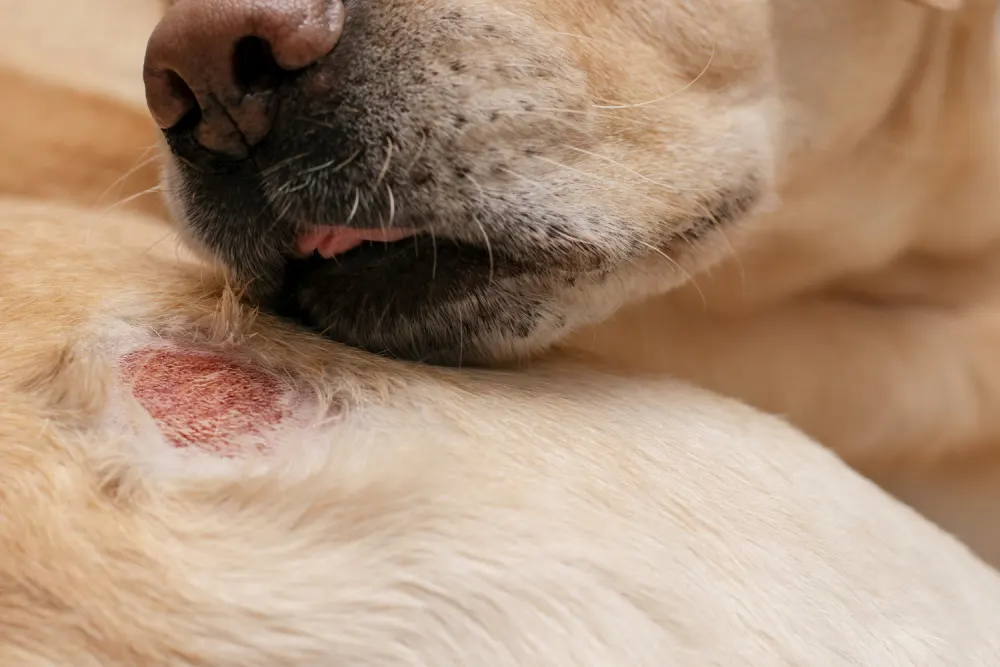
- Skin lesions or ulcers in some cases where the parasite has affected skin tissue
- Seizures or other neurological signs in severe cases with brain involvement
In puppies, the classic presentation of neosporosis in dogs is a litter where one or more pups show progressive hind limb stiffness and weakness from a young age. If you notice that a puppy cannot keep up with its littermates, struggles to stand after sleep, or has legs that feel unusually rigid, these are early warning signs worth acting on immediately.
Related Videos


When to See a Vet
If you notice any of the following in your dog or a puppy in your care, veterinary assessment should happen that day and not after further monitoring:
- Any difficulty using the hind legs, stumbling, or dragging of the back feet
- A puppy that cannot rise or walk normally compared to its littermates
- Visible muscle stiffness or rigidity in the legs
- Problems swallowing, excessive drooling, or jaw weakness
- Seizures or sudden neurological changes
Neosporosis in dogs is a condition where the window for meaningful treatment response is real. Dogs seen early, before significant paralysis or muscle contracture has set in, respond considerably better to treatment than those who arrive at the vet weeks into a progressive illness.
Diagnosis of Neosporosis in Dogs
Diagnosing neosporosis in dogs requires a combination of clinical assessment, relevant history, and laboratory testing. Your vet will take into account the dog’s age, symptoms, possible exposure routes, and test results together before reaching a conclusion.
- Neurological examination: Your vet will assess muscle tone, reflexes, coordination, and the distribution of weakness to determine which part of the nervous system is affected and how severely.
- Blood serology: A blood test measuring antibodies against Neospora caninum is the most commonly used confirmatory test. A significantly elevated antibody level in a dog with compatible symptoms is strong evidence of neosporosis.
- Complete blood count and biochemistry: These tests assess the dog’s overall health, rule out concurrent conditions, and identify any systemic involvement of organs.
- PCR testing: In specialist laboratories, PCR testing on blood or cerebrospinal fluid can detect the parasite’s genetic material directly and is highly accurate.
- Muscle or nerve biopsy: In challenging cases where diagnosis remains uncertain, a small tissue sample may be examined under the microscope for evidence of the parasite.
Your vet may also consider other conditions that can produce similar signs, including tick-borne diseases, distemper, and spinal trauma, and may recommend tests to rule these out alongside neosporosis testing.
Treatment of Neosporosis in Dogs
Treatment of neosporosis in dogs is possible and is most effective when started early in the course of illness. It is important to understand that treatment controls the parasite and limits further damage, but neurological injury that has already occurred may not fully reverse. This makes early intervention the single most important factor in outcome.
- Anti-protozoal medication: Clindamycin is the most commonly prescribed medication for neosporosis in dogs and is given over an extended period, typically four to six weeks or longer. Some vets use a combination of medications for more resistant or severe cases.
- Treatment duration: Courses are long. Stopping medication early because a dog appears to be improving is a common reason for relapse. The full prescribed course must be completed.
- Supportive nutritional care: Dogs with muscle wasting and reduced mobility need high-quality nutrition to support recovery and maintain body condition throughout the treatment period.
- Physiotherapy and mobility support: Gentle, consistent physiotherapy helps maintain circulation, prevent muscle contracture, and support neurological recovery in dogs with hind limb involvement.
- Prevention of secondary complications: Dogs with reduced mobility are at risk of pressure sores, urinary tract infections, and muscle contracture. These require active management as part of the overall care plan.
Prognosis and Recovery
The prognosis for neosporosis in dogs varies significantly based on how early treatment begins and how much neurological damage has occurred by the time care starts.
| Stage at Diagnosis | Prognosis | What to Expect |
|---|---|---|
| Early (mild weakness, no paralysis) | Good | Strong response to treatment, meaningful recovery of function likely |
| Moderate (significant weakness, some muscle stiffness) | Fair | Partial recovery possible with consistent treatment and physiotherapy |
| Advanced (full paralysis, severe muscle contracture) | Guarded to poor | Paralysis may not reverse fully; focus shifts to comfort and quality of life |
In rescue settings, we have seen dogs with moderate neosporosis regain functional mobility with dedicated physiotherapy and consistent medication. Recovery requires patience and commitment, but it is genuinely possible in many cases. Dogs that do not regain full mobility can still live comfortable, happy lives with appropriate support and care.
Caring for a Dog with Neosporosis at Home
If your dog is being managed at home during or after treatment for neosporosis in dogs, consistent daily care makes a significant difference to both recovery and quality of life:
- Turn or reposition dogs with limited mobility every few hours to prevent pressure sores on bony areas
- Keep bedding clean, dry, and padded. Orthopaedic or foam mattresses reduce pressure on vulnerable areas
- Assist with urination and defecation if the dog cannot posture independently, and keep the area clean to prevent skin breakdown
- Offer small, frequent, nutritious meals. Dogs with swallowing difficulties may need softer food or adjusted feeding positions
- Carry out gentle passive limb exercises daily as guided by your vet or a canine physiotherapist to maintain joint range of motion and circulation
- Use supportive harnesses or mobility aids for dogs that can partially weight bear but need assistance with balance and movement
- Keep all medication on schedule without gaps. This is non-negotiable during the treatment period
Related Products




Prevention of Neosporosis in Dogs
While there is no vaccine available for neosporosis in dogs, several practical steps significantly reduce the risk of infection:
- Do not feed raw or undercooked meat, particularly beef, mutton, or offal from sources where the origin cannot be confirmed
- Prevent dogs from scavenging or accessing slaughterhouse waste, rubbish areas, or carcasses
- Keep food and water sources clean and covered to reduce contamination risk in multi-dog households
- If breeding from a female dog, discuss neosporosis testing with your vet before breeding, as an infected mother carries a high risk of passing the parasite to her puppies
- In rescue or shelter environments, maintain good hygiene protocols and reduce exposure to unknown faecal material
Neosporosis in dogs is a serious parasitic infection that deserves more awareness among Indian pet parents and rescue workers than it currently receives. The condition can cause significant neurological damage, but it is not a reason to lose hope. Dogs identified and treated early respond well, and even those with established weakness can achieve a meaningful quality of life with dedicated care and support.
If your dog or a puppy in your care shows any hind limb weakness, stiffness, or difficulty moving, please do not wait. Early veterinary assessment for neosporosis in dogs is the single most important step you can take. Awareness, prompt action, and consistent follow-through are what make the difference.