Your dog does not understand what a moving box means. It does not understand why its familiar smells have disappeared, why the sounds are different, why the floor feels strange, and why the corner it used to sleep in no longer exists.
What you experience as a practical challenge, managing logistics, transport, new paperwork, and settling into a new space, your dog experiences as a complete disruption of every environmental cue it depended on for safety and security. Territory, scent, routine, and familiar faces are the anchors of a dog’s psychological stability. Relocation removes all of them simultaneously.
This guide is about managing that disruption responsibly, before, during, and after the move.
Why Relocation Feels So Different for Dogs
Dogs are territorial animals whose sense of safety is deeply tied to the familiarity of their environment. They build a mental map of their home territory through scent, visual landmarks, routine, and repeated experience. They know where the safe spots are, where threats might come from, and who belongs in their space.
When that environment changes completely, the dog’s entire accumulated knowledge about its world becomes irrelevant. Every unfamiliar smell is potential information about unknown threats. Every new sound has to be assessed without the context of knowing the space. Every encounter with a new dog, person, or environmental feature is processed without the background security of a familiar territory behind it.
This is not anxiety in a clinical sense for all dogs, but it is a genuine period of increased stress and information overload that has measurable effects on behaviour and physiology. Understanding this makes the preparation and management decisions clearer.
Signs of Stress During and After Relocation
Watch for these behavioural indicators before, during, and after the move: loss of appetite or disinterest in food that was previously eaten readily, pacing or restlessness that does not settle with attention or calm handling, excessive vocalisation including whining or barking in a dog that is not normally vocal, digestive upset including vomiting or loose stools with no dietary change, extreme clinginess or unusual withdrawal and hiding, sleep disturbance, and in more significant cases, attempts to escape the new environment.
None of these signs is a defect in the dog. They are predictable responses to a situation that the dog has no framework for understanding. The owner’s job is to provide the stability that the environment cannot currently offer.
Before You Move: Preparing Your Dog for the Transition
Preparation significantly reduces the severity of the adjustment period.
Begin crate training or travel container familiarisation several weeks before the move if the dog is not already comfortable with a crate. A dog that associates its crate with safety and rest has a portable safe space that travels with it, providing a familiar anchor in the new environment.
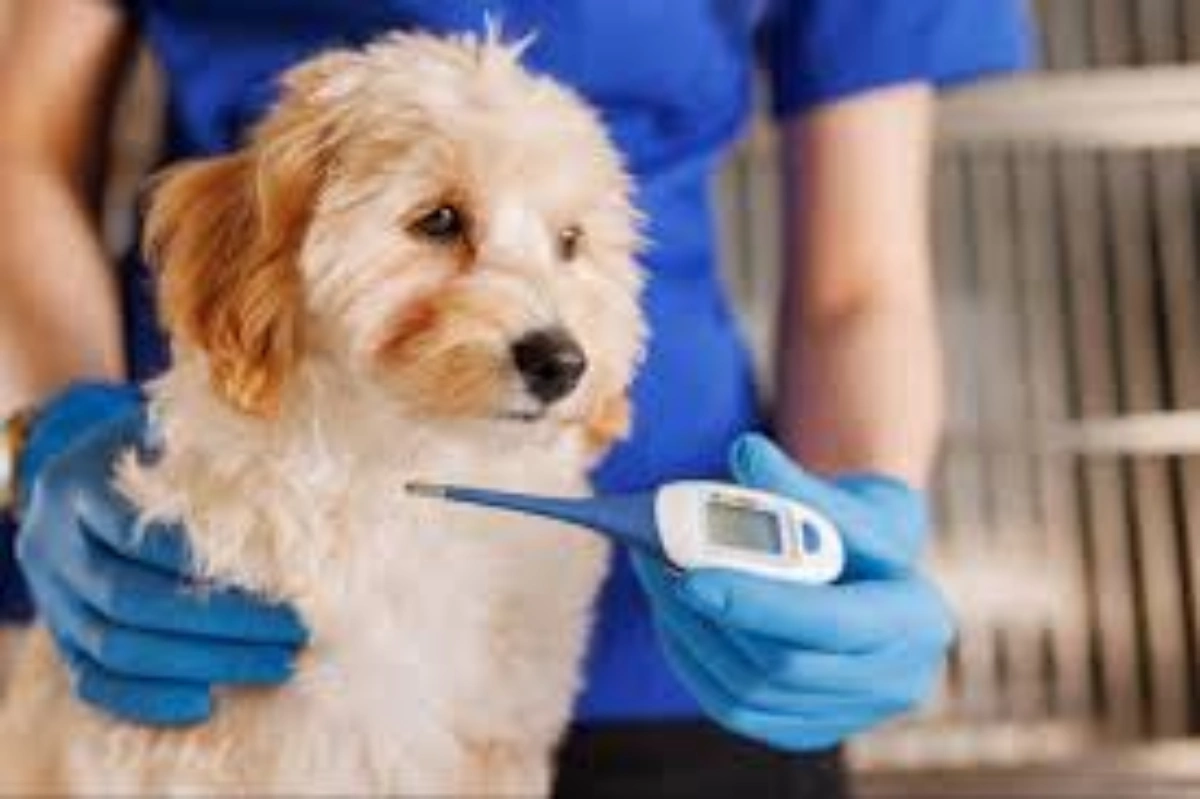
Schedule a veterinary health check before the move to ensure vaccinations are current, to obtain any required health certificates for interstate travel, and to identify any health issues that should be addressed before the stress of relocation rather than during or after it.
If the dog is highly anxious by temperament, discuss the move with your veterinarian. Options for short-term anxiety management during travel and the immediate settling-in period may be appropriate, but sedation for travel should only be used under veterinary guidance because it carries specific risks for travel safety.
Pack the dog’s own items, its bed, toys, feeding bowls, and any familiar-smelling blankets, last and unpack them first in the new space. These scent-marked objects provide a degree of olfactory familiarity in an otherwise completely unfamiliar environment.
Related Videos


Travel Planning: Safety Before Convenience
For information on the specific requirements and logistics of moving a dog between cities in India, including transport by road, rail, or air, our guide to dog transport in India covers the regulatory, practical, and safety dimensions of inter-city pet transport in detail.
During travel, the dog must be in a secured, ventilated crate or carrier regardless of the transport mode. An unsecured dog in a moving vehicle is a safety risk to both the dog and the vehicle occupants, and it is also a dog that cannot be adequately protected in the event of an emergency stop or accident.
On road journeys, stop every two to three hours to allow the dog to relieve itself, drink water, and briefly move its limbs. Heat management is critical: never leave a dog in a parked vehicle in warm weather for any duration. The temperature inside a stationary vehicle rises to dangerous levels within minutes.
Do not feed a full meal immediately before travel. A light meal three to four hours before departure reduces the likelihood of travel nausea without leaving the dog hungry and uncomfortable throughout the journey.
Moving Day: The Most Critical Phase
Moving day is the highest-risk day of the relocation process. Doors are left open repeatedly. Unknown people are entering and leaving. The familiar furniture configuration has disappeared, replaced by chaos and unfamiliar activity.
The single most important moving day decision is where the dog will be during the active loading and unloading process. The answer is a secured room, either at the origin or with a trusted person away from the activity entirely. The risk of an escape through an open door during the confusion of a move is real, and a lost dog in an unfamiliar area has none of the territorial familiarity that helps dogs find their way home.
If the dog must be present during the move, it should be in its crate, in a quiet room that is secured and not part of the active moving process, with fresh water and familiar bedding.
The First 48 Hours in the New Home
The first forty-eight hours set the template for the adjustment period. How the dog is introduced to the new space significantly affects how quickly it feels safe there.
Begin with one room. Allow the dog to explore and scent-mark that space before introducing the rest of the home. The entire home presented at once is overwhelming. A gradual introduction allows the dog to build its new territorial map at a manageable pace.
Place familiar-smelling items immediately: the dog’s bed in the location you intend it to remain, the feeding station where it will always be, the water bowl in a consistent place. Familiarity with routine anchors the dog in an unfamiliar physical space.
Begin establishing the new walking routes from day one. The neighbourhood is as important as the home to a dog’s territorial map. Short, frequent exploratory walks around the immediate environment help the dog begin building familiarity with the surrounding area.
Why Routine Is the Key to Faster Adjustment
Routine is the most powerful stabilising tool available in a relocation situation. A dog whose feeding time, walking time, sleep time, and interaction patterns remain unchanged despite the physical change of environment adjusts significantly faster than one whose entire daily structure has also been disrupted.
Maintain feeding times within thirty minutes of their established schedule from the first day in the new home. Walk at the same time. Maintain the same bedtime routine. These predictable events communicate to the dog that the fundamental structure of its life has not changed, even though the environment has.
How Long Does Adjustment Take?
This varies considerably by individual dog temperament, age, and the degree of change involved. Most dogs with a stable pre-move baseline settle into a new home within two to four weeks when managed appropriately. Dogs with anxiety tendencies may take longer. Rescue dogs and dogs that experienced difficult histories before their current home may show more significant responses.
The adjustment is not linear. Many dogs appear to settle quickly in the first few days, then show more pronounced stress signs in the second week as the initial novelty wears off and the reality of the changed environment sets in. This is normal and does not indicate that the adjustment has failed.
City Differences and Environmental Changes
Moving between cities introduces variables beyond the physical space of the home. Urban environments differ significantly in noise levels, traffic density, air quality, human crowd density, and the presence of other animals. A dog moving from a quiet suburb to a dense urban environment is adapting to a fundamentally different sensory environment, not just a new home.
| Factor | Low-Stress Relocation | High-Stress Relocation |
|---|---|---|
| Environment change | Similar urban character, similar noise level | Major change in density, noise, or pollution |
| Routine continuity | Feeding, walking, sleep times maintained | Routine also disrupted during transition |
| Owner availability | Owner present and calm during transition | Owner absent, stressed, or frequently travelling |
| Dog temperament | Confident, adaptable baseline | Anxious or sensitive baseline |
| Prior preparation | Crate trained, travel familiar | No preparation, first major travel experience |
Understanding the public health context of the city you are moving to, including the local stray dog population and its management, is relevant to your dog’s safety during walks and outdoor time. Our guide to the public health impact of dogs in India provides context on how dog populations vary across Indian cities and what this means practically for managing your dog’s safety in public spaces.
Once settled, navigating the logistics of daily movement with a dog in an Indian city requires specific planning for different scenarios. Our guide to preparing for inner-city travel with a dog covers the practical considerations for managing a dog in urban transit environments.
When Relocation Becomes a Veterinary Concern
Contact your veterinarian if any of the following persist beyond the first two weeks in the new home: complete food refusal lasting more than forty-eight hours, repeated vomiting or persistent diarrhoea with no dietary change, extreme anxiety that does not reduce with reassurance and routine, or self-directed behaviours such as excessive licking or scratching without a dermatological cause.
These signs, when prolonged, indicate that the dog’s stress response is affecting physiological function rather than remaining a behavioural adjustment, and veterinary assessment is appropriate to rule out medical causes and to discuss whether short-term anxiety management support is warranted.