What Is Seasonal Flank Alopecia in Dogs?
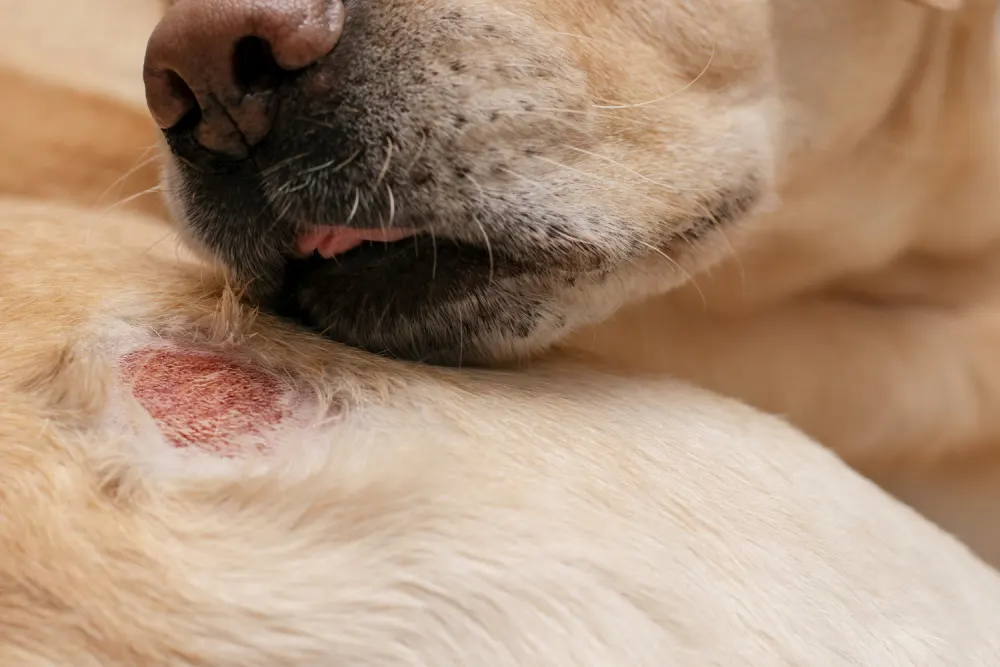
Seasonal flank alopecia is a skin condition that affects dogs, causing patches of hair loss along their sides, specifically behind the chest and in front of the legs. This condition tends to occur primarily during the winter months but may manifest in other seasons as well. Hair loss typically commences between November and March in the Northern Hemisphere due to reduced daylight, with hair regrowth occurring spontaneously three to eight months later.
Despite the hair loss, dogs with seasonal flank alopecia do not experience discomfort, itchiness, or irritation. However, in some cases, repeated episodes may lead to increased hair loss and longer periods for hair regrowth.
Symptoms and Types
- Hair loss on one or both sides of the dog’s body.
- Hair loss patterns may be uniform or irregular on both sides.
- Clearly defined areas of hair loss.
- Occasionally, the affected skin may darken (hyperpigmentation) in the areas of hair loss.
- Hair loss tends to occur in cycles.
Causes
The causes of seasonal flank alopecia in dogs remain unknown. However, research suggests a likely connection to the shorter days and longer nights during the fall and winter seasons. In typical circumstances, hormonal changes such as melatonin and prolactin would stimulate the growth of a thick winter coat. However, dogs with seasonal flank alopecia do not experience this response.
Usually, the condition manifests in dogs aged 1 to 6 years and persists throughout their lives. Breeds most commonly affected include Boxers, English Bulldogs, Airedale Terriers, and Schnauzers, although it can occur in any purebred or mixed breed dog.
Diagnosis
Diagnosing seasonal flank alopecia in dogs involves a systematic approach by veterinarians. In recurring cases, the diagnosis can often be straightforward based on the dog’s medical history. However, it is crucial to first eliminate other potential diseases. Veterinarians may seek to rule out conditions such as skin infections (pyoderma), demodectic mange, ringworm (dermatophytosis), as well as endocrine disorders like hypothyroidism and Cushing’s disease.
If the dog’s medical history is unavailable or if a definitive confirmation is required, veterinarians may opt for a skin biopsy. This procedure necessitates sedating the pet and administering a local pain blocker. A small section of skin is then removed and sent to a laboratory where a board-certified veterinary pathologist examines it. Through microscopic analysis, pathologists look for specific patterns, including abnormal and reduced growth of hair follicles filled with keratin, as well as a distinctive “branching” pattern.
Treatment
Treating seasonal flank alopecia in dogs typically involves monitoring the dog’s health over time since the condition is primarily cosmetic and dogs are generally healthy otherwise. This observation helps ensure that symptoms are not worsening or accompanied by additional issues along with the hair loss.
Melatonin is commonly used as the preferred treatment option. Successful treatment often depends on initiating melatonin therapy one month before the anticipated onset of hair loss, typically before the winter months. Melatonin can be administered orally, through compounded injections, or via a melatonin implant. However, it’s important to note that some dogs may experience adverse reactions, such as skin abscesses, with the implant option.
When considering oral melatonin, it’s advisable to consult with your veterinarian or a board-certified veterinary dermatologist for recommendations. It’s worth noting that dietary supplements like melatonin are not regulated by the US Food and Drug Administration (FDA), which means there can be variations in effectiveness among different products.
Recovery and Management
The prognosis for hair regrowth in dogs with seasonal flank alopecia can vary. While some dogs experience complete regrowth of hair, others may only have partial regrowth or develop hair with a different color and texture in the affected area.
Hair regrowth typically begins spontaneously approximately three to eight months after the onset of hair loss, although the cyclical pattern may differ among individual animals. As the cyclical nature of hair loss becomes evident, treatment can be initiated about a month before the anticipated onset of hair loss.
Seasonal Flank Alopecia in Dogs FAQs
How long does seasonal flank alopecia last?
In most instances, seasonal flank alopecia persists throughout the winter months and often resolves as the days lengthen. However, some dogs may continue to cycle, and by around the age of 6 or 7, they may experience progressively less hair regrowth due to aging.
Is seasonal flank alopecia painful for dogs?
No, seasonal flank alopecia should not cause any discomfort or irritation in dogs. It is considered a cosmetic condition that does not impact the dog’s quality of life.
Related Videos