

When a dog’s anxiety is severe enough to significantly affect their quality of life – persistent panic attacks, compulsive behaviours, or debilitating separation distress – a veterinarian may recommend medication as part of the treatment plan. These medications can meaningfully improve a dog’s daily experience. But like any pharmacological intervention, they come with potential side effects that pet parents need to understand and monitor. The Pet Owner’s Guide to Dog Anxiety provides useful background on how anxiety presents before medication becomes a consideration.
Why Dogs Are Prescribed Anxiety Medications
Veterinarians prescribe anti-anxiety medications when a dog’s stress responses are too intense or too frequent to be addressed through behaviour modification alone. Common situations include severe separation anxiety, compulsive disorders, noise phobias, or panic-level reactivity. These medications work primarily by modulating neurotransmitters – particularly serotonin – to reduce the neurological arousal that makes a dog’s baseline state chronically tense. The goal is not sedation; it is creating enough neurological calm that behaviour training can actually take hold.
Common Types of Anxiety Medications for Dogs
The medications most commonly used in veterinary behavioural practice include fluoxetine (an SSRI that increases serotonin availability), clomipramine (a tricyclic antidepressant used particularly for compulsive disorders and separation anxiety), and buspirone (prescribed for generalized anxiety with a lower side effect profile). All require a veterinary prescription and are most effective when combined with structured behaviour modification. Anxiety and compulsive disorders in dogs explains how these conditions interact and why medication alone is rarely sufficient.
Common Side Effects of Anxiety Medications in Dogs
Mild side effects are relatively common in the first few weeks as the dog’s system adjusts to the medication. They often resolve without intervention once the body acclimatizes to the new neurochemical baseline.
Mild or Temporary Side Effects
- Drowsiness or reduced energy – one of the most frequently reported early effects
- Decreased appetite – usually temporary; worth monitoring if it persists beyond two weeks
- Mild digestive upset – loose stools, vomiting, or increased flatulence in the adjustment period
- Slight behavioural changes – increased clinginess or temporary restlessness as the medication begins working
- Dry mouth – dogs may drink more water initially
These are worth noting, but rarely require discontinuing medication. Always report them to your veterinarian so the dosage or timing can be adjusted if needed.
Related Videos


Serious Side Effects to Watch For
Rare but serious reactions can occur, particularly if medication levels become too high or interact with other serotonin-altering substances. The most significant risk is serotonin syndrome – a condition caused by excess serotonin in the nervous system, which can develop rapidly after a dosage change or accidental double-dose.
Signs of Serotonin Syndrome in Dogs
- Muscle tremors or rigidity
- Seizures or loss of coordination
- Rapid heart rate and elevated body temperature
- Severe vomiting or diarrhoea
- Confusion, agitation, or extreme disorientation
Serotonin syndrome is a medical emergency. If any of these signs appear after a medication change, contact your veterinarian immediately.
Causes of Medication Side Effects
The most common causes of adverse reactions are incorrect dosage, drug interactions (including with certain supplements, flea treatments, or other prescribed medications), and individual sensitivity. Always inform your veterinarian of every product the dog receives – including supplements and over-the-counter calming aids- before starting psychiatric medication.
Diagnosing and Treating Adverse Reactions
If a significant reaction is suspected, veterinarians evaluate through behavioural history, blood panels, and neurological assessment to rule out infections or toxin exposure. Treatment depends on severity: mild cases may simply require dosage adjustment, while serotonin syndrome may involve discontinuing the medication, activated charcoal if ingestion was recent, IV fluid support, and close monitoring until the dog is stable.
Related Products
Preventing Side Effects
- Follow the prescribed dosage exactly, never increase without veterinary guidance
- Introduce medication gradually if a stepped protocol is recommended
- Inform your vet of all supplements and treatments, including calming products
- Keep all medications stored securely and out of reach
- Monitor and note behaviour changes in the first four weeks; these observations guide dose refinement
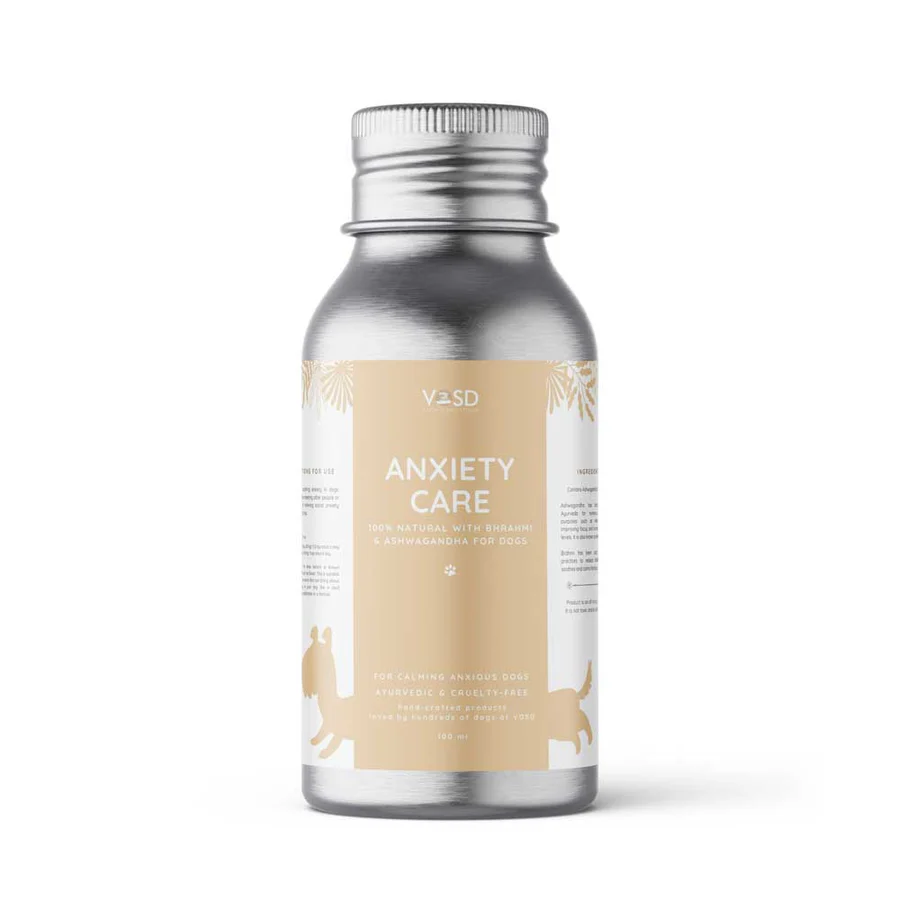
For pet parents using supplementary calming support alongside medication, dog calming products offer vet-considered options. Ensure your veterinarian is aware of anything used concurrently with prescribed medication. More options are detailed in dog calming products to help ease dog anxiety.
Non-Medication Approaches to Managing Dog Anxiety
Medication works best as one part of a broader plan. Behaviour modification, structured exercise, and consistent mental engagement address the anxiety itself rather than only its neurological expression. Brain training games to keep your dog mentally stimulated are a practical starting point for pet parents looking to reduce anxiety load through engagement rather than medication alone.
When to Contact a Veterinarian
Seek veterinary attention promptly if your dog shows seizures, high fever, severe or persistent vomiting, extreme lethargy, or any sudden and unexplained shift in behaviour following a dosage change. These are not wait-and-see situations.
Conclusion
Anxiety medication, used thoughtfully and under veterinary supervision, can be genuinely transformative for dogs with severe behavioural conditions. The key is monitoring closely, communicating openly with your vet, and treating medication as one component of a broader plan – not a standalone solution. Combining pharmacological support with behaviour training and environmental management produces the most durable results. For a comprehensive starting point on managing anxiety in dogs, the Pet Owner’s Guide to Dog Anxiety is the place to begin.















