
Sinus tachycardia in dogs is one of the most commonly detected cardiac findings in veterinary practice, and one of the least understood by pet parents who hear the term for the first time. The reassuring starting point is this: sinus tachycardia is not a disease. It is the heart beating faster than normal from its natural pacemaker, usually because the body needs or is experiencing something that requires a faster circulation. In most cases, addressing the underlying reason resolves the fast heart rate entirely. The key is knowing when a fast heartbeat is an expected and temporary response, and when it is a signal that something deeper needs investigation.
What Is Sinus Tachycardia in Dogs?
The term sinus tachycardia has two components. Sinus refers to the sinoatrial (SA) node, the heart’s natural pacemaker located in the right atrium, which generates the electrical impulses that initiate each heartbeat. Tachycardia simply means a heart rate above the normal range for the species and size of animal. In sinus tachycardia, the SA node is still doing its job correctly and the heart’s rhythm remains regular and coordinated. The only abnormality is that the SA node is firing faster than it usually would at rest.
This is an important distinction from other forms of tachycardia, such as ventricular tachycardia or supraventricular tachycardia, in which the rapid rhythm originates from an abnormal location in the heart and the rhythm itself is disordered. In sinus tachycardia, the rhythm is normal in every way except its rate. The heart is simply racing.
Sinus tachycardia in dogs is almost always a secondary finding, meaning it reflects something happening elsewhere in the body rather than being a primary cardiac problem. Finding and addressing that underlying cause is the cornerstone of management.
Normal and Abnormal Heart Rate Ranges in Dogs
| Dog Size | Normal Resting Heart Rate | Tachycardia Threshold (approximate) |
|---|---|---|
| Large breeds (above 25 kg) | 60 to 100 beats per minute | Above 120 beats per minute at rest |
| Medium breeds (10 to 25 kg) | 70 to 110 beats per minute | Above 140 beats per minute at rest |
| Small breeds (below 10 kg) | 90 to 140 beats per minute | Above 160 beats per minute at rest |
| Puppies (any size) | Up to 220 beats per minute | Context-dependent; always assess against breed and age norms |
During exercise, excitement, or fear, a dog’s heart rate will normally increase significantly above the resting range. This is entirely normal and expected. Sinus tachycardia becomes clinically relevant when the heart rate is elevated at rest, in a calm setting, or is persistently elevated even after the apparent trigger has passed. A heart rate that does not return to normal once a stressor is removed is worth investigating.
Symptoms of Sinus Tachycardia in Dogs
Because sinus tachycardia is itself a sign rather than a disease, the symptoms a pet parent observes will often reflect the underlying cause more than the fast heart rate itself. That said, sinus tachycardia can produce some observable signs of its own:
- Panting without an obvious reason such as heat or exercise
- A visibly rapid heartbeat that you can see or feel when you place your hand on the chest
- Restlessness, an inability to settle, or anxious behaviour
- Slightly faster breathing even at rest
- Reduced exercise tolerance in some dogs where the tachycardia reflects an underlying illness reducing overall cardiovascular efficiency
- Weakness or mild lethargy when the fast heart rate is driven by a significant underlying condition such as anaemia, fever, or infection
In many cases, sinus tachycardia in dogs is detected only during a veterinary examination, when the vet notices that the heart is beating faster than expected for a calm resting animal. A fast heartbeat alone is not a diagnosis. It is a prompt to look more carefully at the whole clinical picture.
Related Videos

Causes of Sinus Tachycardia in Dogs
The causes of sinus tachycardia in dogs are numerous and include both physiological responses and pathological conditions:
1. Stress and Anxiety: One of the most common causes seen in both household pets and rescued dogs. Fear of the veterinary clinic, unfamiliar environments, loud noises, separation anxiety, and chronic stress all activate the sympathetic nervous system, which accelerates the SA node. In rescue and stray dogs, the stress of being handled by unfamiliar people is a very common driver of elevated heart rate during examination.
2. Heat and Elevated Environmental Temperature: In India’s climate, this is a particularly relevant and frequent cause. Dogs do not sweat through their skin and rely primarily on panting to dissipate heat. As body temperature rises, the heart rate increases to support the circulatory demands of thermoregulation. Overheated dogs, particularly those left in enclosed spaces or without shade and water, can develop significant sinus tachycardia as part of the physiological heat stress response.
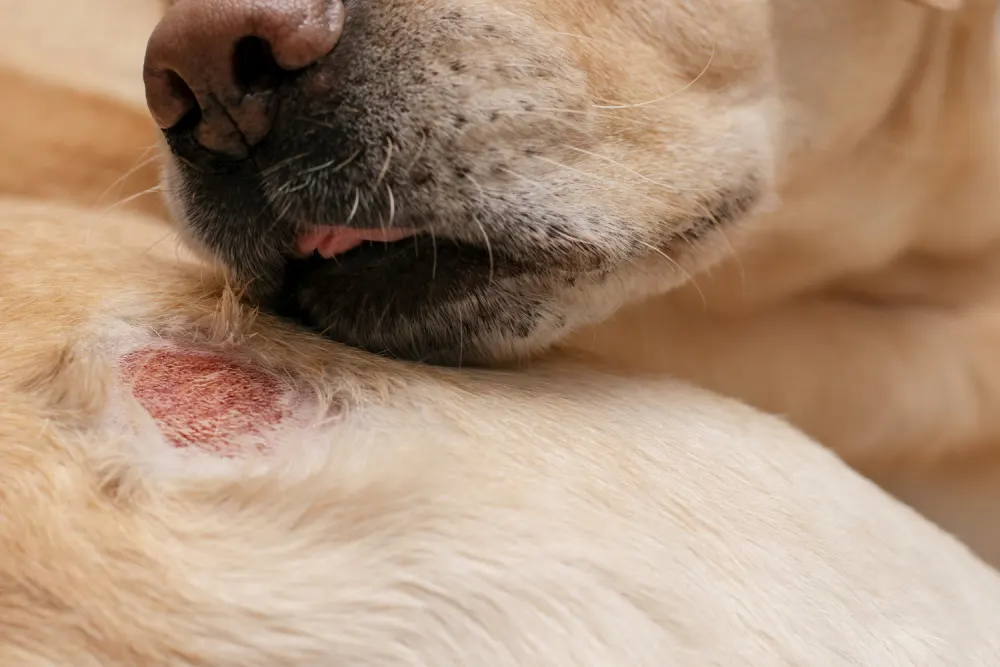
3. Pain: Any source of pain, from an orthopaedic injury, an internal wound, dental disease, a skin condition, or post-surgical discomfort, activates the sympathetic nervous system and drives an elevated heart rate. A dog with unrecognised pain may present with persistent sinus tachycardia that resolves only when the pain is identified and treated.
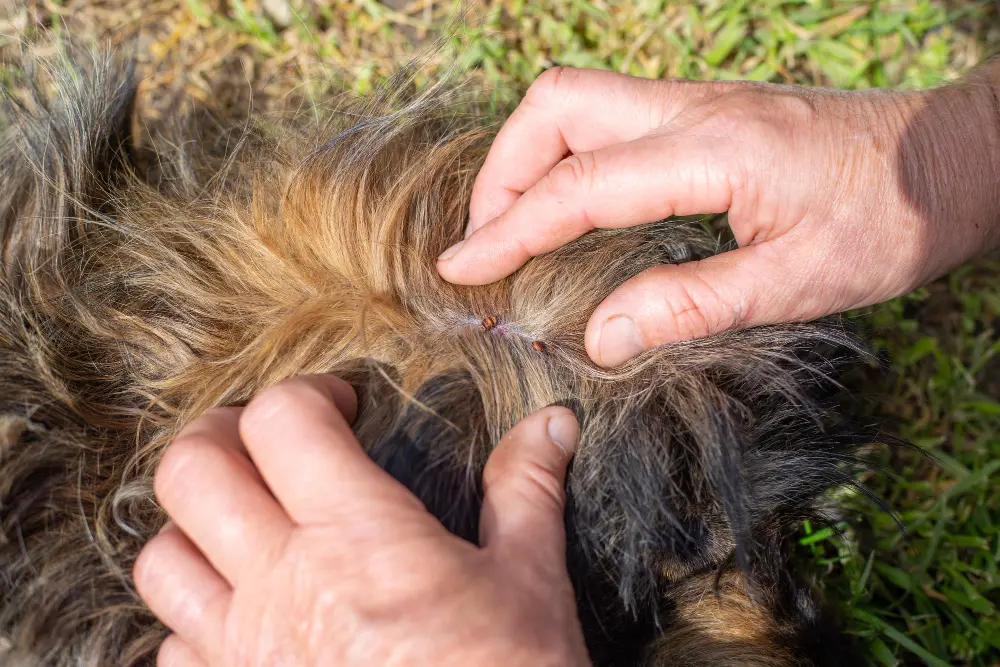
4. Fever and Infection: Any inflammatory condition that elevates body temperature causes a corresponding increase in heart rate. Tick-borne diseases such as Ehrlichia, Babesia, and Rickettsia are common in India and frequently present with fever, lethargy, and tachycardia. Bacterial infections, viral illnesses, and localised abscesses can all drive sinus tachycardia through the fever mechanism.
5. Anaemia: When the blood’s haemoglobin content falls below the normal range, the heart must beat faster to maintain adequate oxygen delivery to the tissues. Anaemia from any cause, including tick-borne disease, chronic gastrointestinal blood loss, immune-mediated haemolytic anaemia, or nutritional deficiency, is a common and clinically important cause of sinus tachycardia in dogs, particularly in the Indian rescue population.
6. Dehydration: Reduced circulating blood volume from dehydration, gastrointestinal illness, or haemorrhage causes a compensatory increase in heart rate to maintain blood pressure and tissue perfusion.
7. Underlying Cardiac Disease: In some dogs, sinus tachycardia is driven by reduced cardiac output from underlying heart disease. The body detects inadequate perfusion and compensates by increasing heart rate. This is an important but less common cause compared with the above, and is typically accompanied by other signs of cardiac compromise.
8. Drugs and Medications: Certain medications, including bronchodilators, corticosteroids, and some sedatives, can produce or contribute to sinus tachycardia as a side effect.
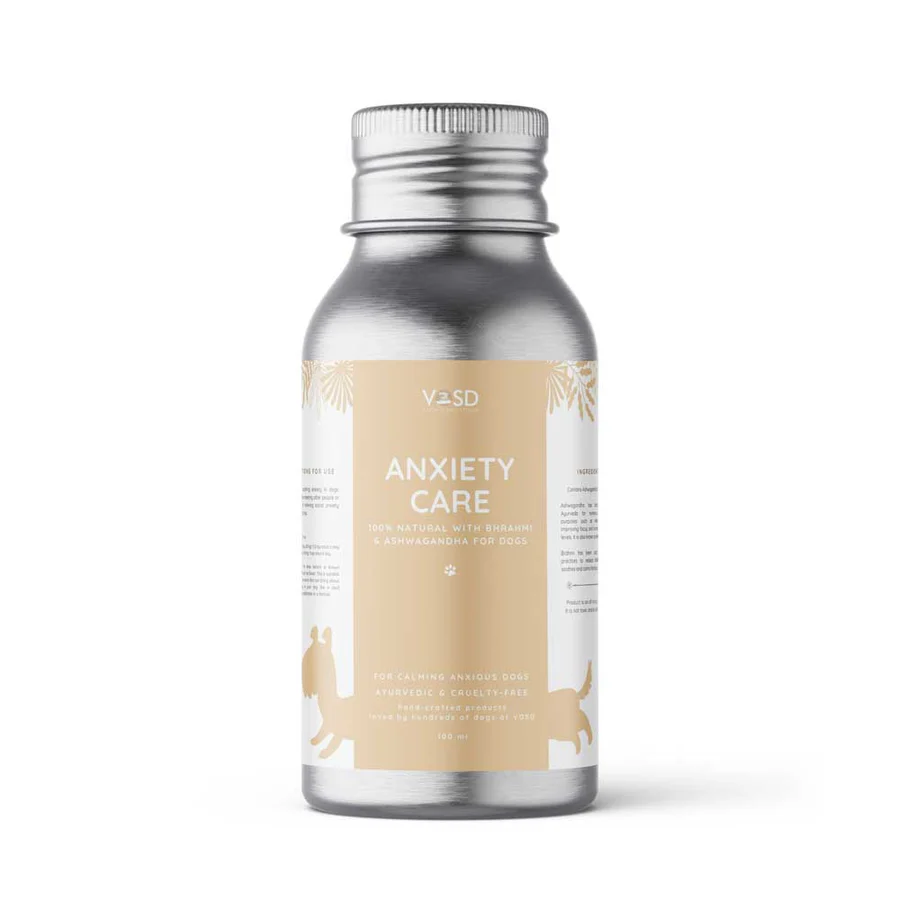
Stress and anxiety are among the most manageable underlying causes of sinus tachycardia in dogs. For dogs that have a persistent pattern of anxiety-driven elevated heart rate, particularly rescued dogs adapting to new environments, gentle support can make a meaningful difference. VOSD Anxiety Care is gently formulated to support dogs experiencing stress and unsettled behaviour. Always consult your vet before introducing any supplement alongside ongoing veterinary investigations or cardiac monitoring.
For dogs in India where tick-borne infections are a common cause of fever and secondary sinus tachycardia, consistent year-round tick prevention is one of the most practical preventive measures available. VOSD Spot-On Tick and Flea Protection with IGR provides reliable protection against ticks and the infections they carry. Always use tick prevention products as directed and discuss with your vet if your dog lives in or visits tick-endemic areas.
Related Products

How Vets Diagnose Sinus Tachycardia in Dogs
Diagnosing sinus tachycardia is usually straightforward. The more important and time-consuming aspect is identifying the underlying cause:
1. Physical Examination: The vet will take the pulse rate and quality, assess body temperature, examine mucous membrane colour and capillary refill time, check for signs of dehydration, and assess overall clinical condition. These findings help prioritise which investigations to pursue.
2. Electrocardiogram (ECG): An ECG confirms that the fast rhythm is originating from the sinus node (sinus tachycardia) rather than an abnormal ectopic focus (ventricular or supraventricular tachycardia). In sinus tachycardia, the ECG shows a normal P-QRS-T complex sequence at an elevated rate, with consistent PR intervals. This simple confirmation is important because the management of sinus tachycardia is entirely different from that of other tachycardias.
3. Blood Tests: A full blood count identifies anaemia, infection, or inflammatory conditions. A biochemistry panel assesses organ function and electrolytes. Tick-borne disease screening (Ehrlichia antibody titre, blood smear examination for Babesia) is relevant for most dogs in India presenting with fever and tachycardia of unknown cause.
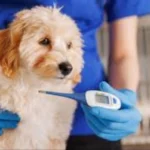
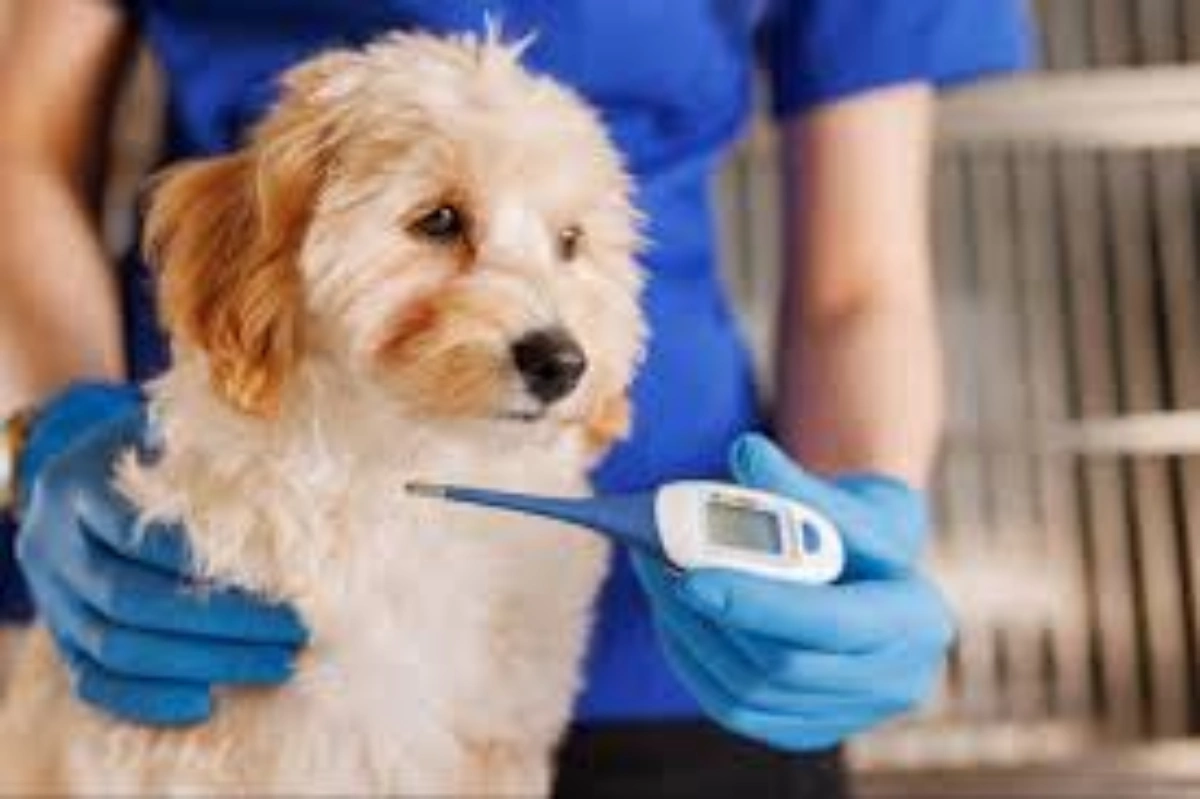
4. Temperature Measurement: Body temperature is measured to identify or confirm fever as a contributing factor.
5. Additional Investigations: If a cardiac cause is suspected, echocardiography and chest X-rays may be performed to assess heart structure, chamber dimensions, and lung fields.
Treatment for Sinus Tachycardia in Dogs
Sinus tachycardia itself does not usually require direct treatment. The heart rate normalises when the underlying cause is resolved:
- Stress or anxiety: A calm, quiet environment, reduced handling, familiar routines, and where appropriate, supportive supplements or veterinary-prescribed anxiolytics, will allow the heart rate to return to normal once the sympathetic activation subsides.
- Heat: Moving the dog to a cool, shaded, well-ventilated environment, providing fresh water, and in cases of heatstroke, active cooling measures, will reduce body temperature and allow the heart rate to normalise. Prevention is significantly more effective than treatment in the Indian climate.
- Pain: Identifying and treating the source of pain with appropriate analgesia resolves the tachycardia. Pain management should be guided by your veterinarian.
- Fever and infection: Antibiotics for bacterial infections, doxycycline for tick-borne diseases, antipyretics where appropriate, and supportive care (fluids, nutrition) allow resolution of the fever and its secondary tachycardia.
- Anaemia: Treatment depends on the cause. Iron supplementation for nutritional deficiency, immunosuppressive therapy for immune-mediated haemolytic anaemia, blood transfusion for severe anaemia, and addressing the underlying source of blood loss are the primary approaches.
- Dehydration: Intravenous or subcutaneous fluid therapy restores circulating volume and allows the compensatory tachycardia to resolve.
When sinus tachycardia is secondary to significant underlying cardiac disease, management of the cardiac condition itself, with appropriate medications guided by a veterinary cardiologist, is the primary focus.
Prognosis for Sinus Tachycardia in Dogs
The prognosis for sinus tachycardia in dogs is generally excellent when the underlying cause is identifiable and treatable. Dogs with sinus tachycardia driven by temporary, reversible conditions such as stress, heat, or a manageable infection return to a completely normal heart rate once the cause is resolved, with no lasting cardiac impact.
When sinus tachycardia is secondary to a chronic or progressive underlying condition, such as significant anaemia from a persistent disease or underlying cardiac insufficiency, the prognosis is determined by the nature of that primary condition rather than by the tachycardia itself.
Living with a Dog Prone to Tachycardia
- Maintain a calm routine: For dogs that are prone to anxiety-driven tachycardia, predictable daily routines, calm introductions to new environments, and gentle handling reduce the frequency and severity of stress-driven heart rate elevations.
- Keep your dog cool in summer: Ensure access to shade, fresh water, and ventilated resting spaces at all times. Avoid exercise during the hottest parts of the day, particularly from March to June in most parts of India.
- Monitor during any illness: Any systemic illness that causes fever or significant physiological stress can drive sinus tachycardia. Monitoring your dog’s general condition during illness and reporting persistent fast breathing or restlessness to your vet helps ensure timely assessment.
- Attend regular veterinary check-ups: Annual examinations allow the vet to assess whether the heart rate is appropriate for the clinical context and to detect any changes over time.
When to See a Vet
Contact your veterinarian if your dog shows any of the following:
- A heart rate that is elevated at rest, in a calm, cool environment, with no obvious stressor
- Persistent panting without heat or exercise to explain it
- Weakness, pale gums, or reduced exercise tolerance alongside a fast heartbeat
- A fast heart rate that does not settle within 10 to 15 minutes of a stressor being removed
- Any other signs of illness such as fever, lethargy, reduced appetite, or visible discomfort
Sinus tachycardia in dogs is usually a message from the body rather than a disease in its own right. Listening to what it is telling you, and working with your veterinarian to identify the cause, is the most effective and straightforward path to resolving it. Most dogs with sinus tachycardia, when the underlying reason is identified and addressed, return to a normal heart rate and continue living comfortably and actively.