
Dermatophilosis in Dogs
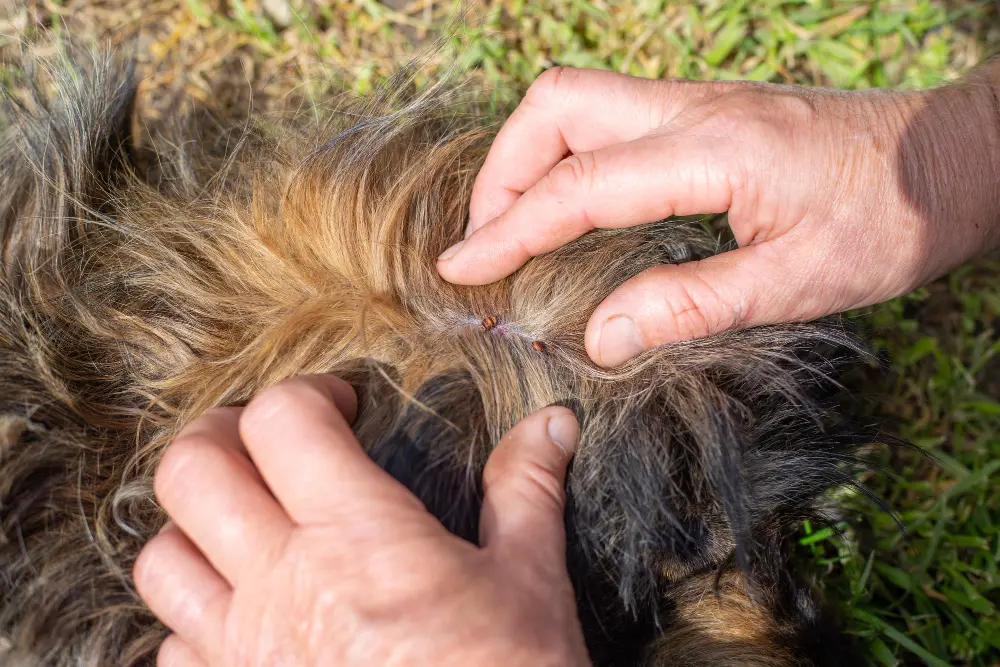
Dermatophilosis, a skin ailment, affects dogs regardless of age or gender, with symptoms varying. Typically transmitted from farm animals like cows, sheep, or horses, it thrives in warm, humid climates. Dogs with wet or wounded skin from parasitic bites, such as those from fleas or ticks, are at higher risk of contracting this disease. The medical article also notes that dermatophilosis can afflict both dogs and cats.
Symptoms and Types
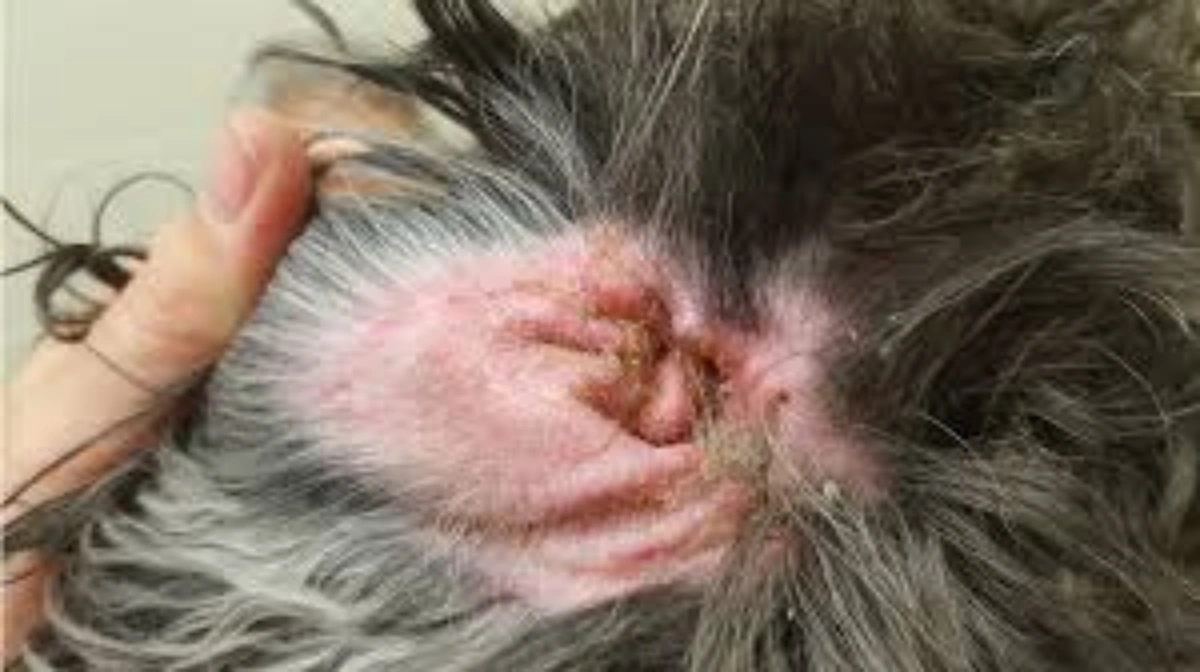
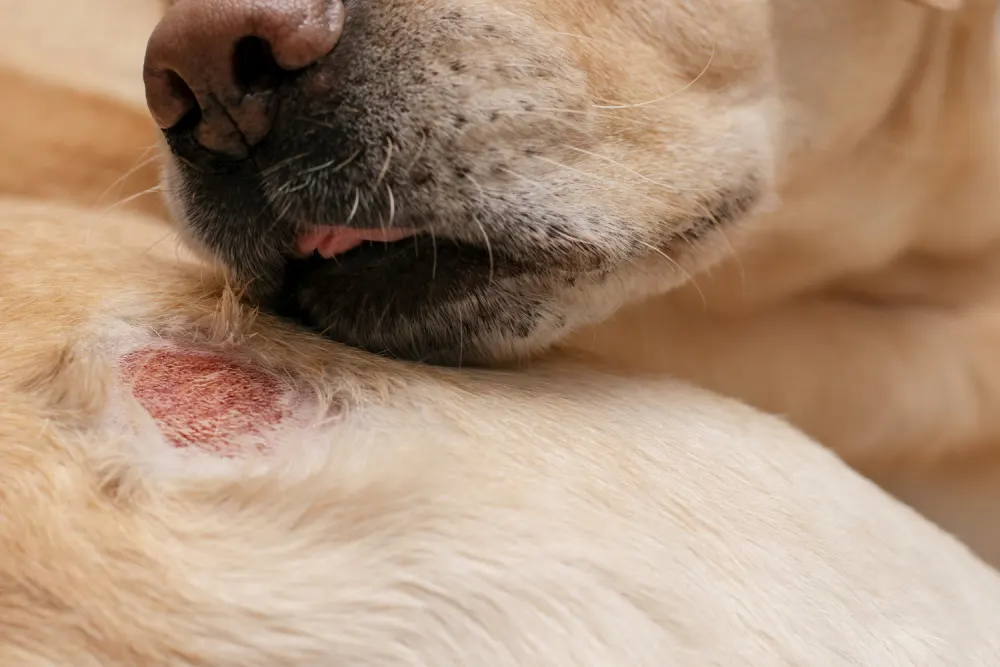
Characteristic gray-yellow crusted bumps resembling hives will appear on the body or head’s skin. The dog will exhibit scratching behavior. The bumps may have a circular shape. Upon removal, numerous hairs will be visible within the bumps, indicating impacted hair follicles. Pus is likely to be present beneath the hives in affected areas.
Diagnosis
Your veterinarian will collect samples of pus and crusted skin for analysis to detect dermatophilosis bacteria. These bacteria are identifiable by their distinctive “railroad track” or paint brush line appearance. Pus under the crusts will also undergo examination. Once the presence of dermatophilosis bacteria is confirmed through tests, appropriate treatment will be recommended.
Inform your veterinarian if your dog has been in proximity to farm animals or environments where they are present. This information aids in determining whether the infection is dermatophilosis. Biopsy of ulcers and sampling of pus from draining ulcers will be conducted. Once tests confirm the presence of dermatophilosis bacteria, treatment will commence. If dermatophilosis is ruled out, further diagnostic tests will be conducted to pinpoint the exact cause of the skin disorder.
Treatment
The veterinary approach involves using antibacterial shampoo, followed by the delicate removal of infected tissue or abscesses. Typically, one or two baths are sufficient, and it’s advisable to seek your veterinarian’s guidance on the appropriate shampoo. Post-cleaning, antibiotics may be prescribed for a duration of 10 to 20 days, especially in cases of severe infection. While penicillin is the most commonly prescribed antibiotic, other options such as tetracycline, doxycycline, minocycline, ampicillin, and amoxicillin may also be employed at times.
A follow-up appointment with your veterinarian is recommended after two to three weeks to ensure the condition has cleared. If results are still negative, an additional seven days of therapy may be prescribed.
Prevention
Although rare, there is a possibility of humans in contact with the dog becoming infected. If animal caregivers or other household members have compromised immune systems, it is recommended to isolate the dog from such individuals until the condition has cleared.
Related Videos