
Cutaneous Drug Eruptions in Dogs
Skin reactions to medications in dogs can manifest in various ways, encompassing a range of diseases and symptoms. These reactions can differ significantly in their clinical presentation and underlying pathophysiology. Mild reactions may often go unnoticed or unreported, making it challenging to determine the exact incidence rates for specific drugs. Information regarding drug-specific reactions in dogs is largely inferred from data in human literature. Additionally, certain types of drug reactions in dogs seem to have a familial predisposition.
Symptoms and Types
- Excessive itchiness leading to frequent scratching
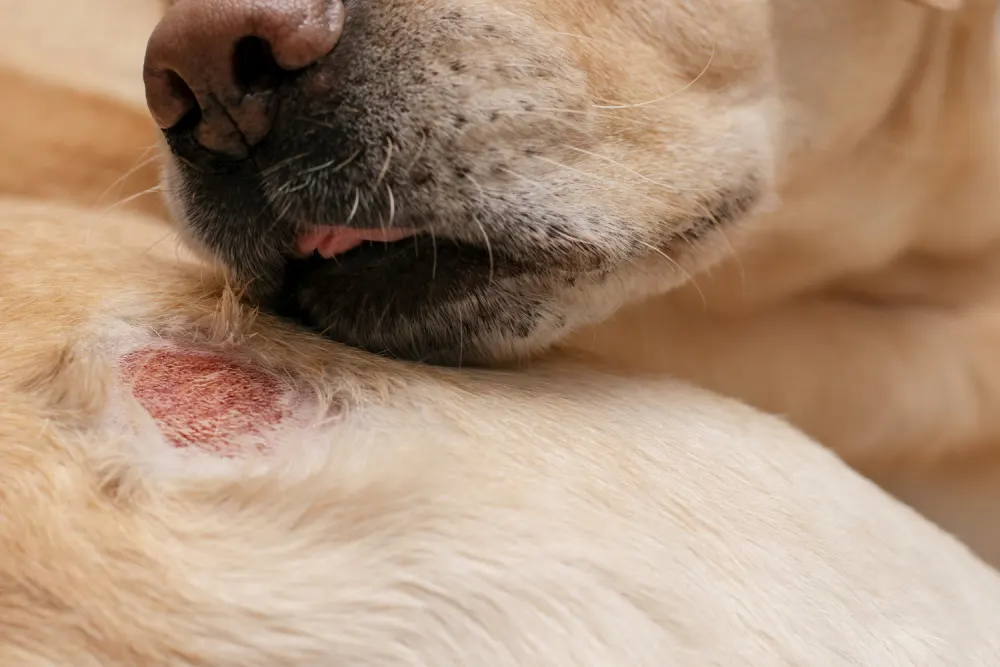
- Appearance of flat, small red patches and raised bumps on the skin
- Exfoliative erythroderma, characterized by extensive bright red, scaly skin covering at least 50 percent of the body surface area
- Presence of scales on the skin
- Development of hives and allergic reactions
- Skin inflammation marked by redness and swelling
- Formation of darker skin patches or round plaques that may expand and exhibit a bull’s-eye pattern at the center
- Formation of blisters on the skin, a potential indication of drug-induced pemphigus/pemphigoid, which is a rare autoimmune skin disorder
Causes
- Skin reactions can be triggered by various types of drugs.
- Exfoliative erythroderma (peeling redness) is frequently linked to the use of shampoos and dips.
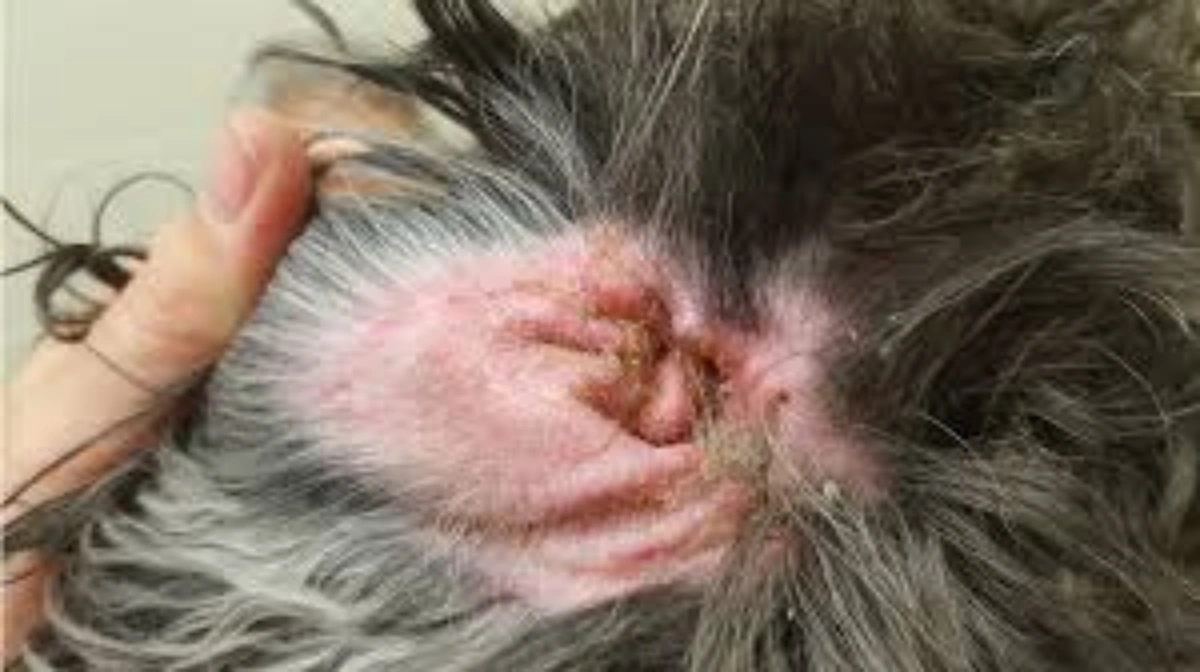
- It is commonly observed in reactions to topical ear medications, particularly affecting the ear canals and the outer part of the ear (concave pinnae).
- Such reactions may occur either after the initial dose of the drug or after prolonged exposure, as sensitization can lead to hypersensitivity following repeated contact with the substance.
Diagnosis
Your veterinarian will conduct a comprehensive physical examination of your dog, focusing particularly on the skin. Skin scrapings may be taken for laboratory culturing to rule out or confirm bacterial and fungal infections. Additionally, a skin biopsy may be recommended. Your veterinarian will also request a blood chemical profile, complete blood count, electrolyte panel, and urinalysis. Providing a detailed history of your dog’s health, the onset of symptoms, and any potential triggers is crucial. This information will assist your veterinarian in identifying the cause of the skin reaction and determining whether further treatment is necessary beyond addressing the external condition.
Treatment
If the reaction is determined to be caused by an external source, discontinuing the use of any shampoos or topical preparations is necessary. Additionally, it’s important to consider other cleaning products that may be used in the household, as they could also be triggering the reaction. If the reaction is attributed to a medication, your veterinarian will seek an appropriate alternative. In cases where the diagnosis is Stevens-Johnson syndrome (SJS) or toxic epidermal necrolysis (TEN), both potentially fatal drug-induced skin reactions, your dog will require inpatient treatment. This typically involves intensive supportive care, along with fluid and nutritional support. Pain relief measures will also be administered to alleviate associated discomfort. For chronic and persistent idiopathic erythema multiforme (EM), a skin disease of unknown origin, azathioprine is often prescribed and effective. In severe cases of EM and TEN that do not resolve spontaneously, human intravenous immunoglobulin (IVIG) has shown success, although it can be costly.
Living and Management
Your veterinarian will arrange follow-up appointments with you based on the cause and severity of your dog’s skin disease. If your dog’s skin condition shows signs of relapse or deterioration, it’s important to promptly reach out to your veterinarian for further evaluation and management.
Related Videos