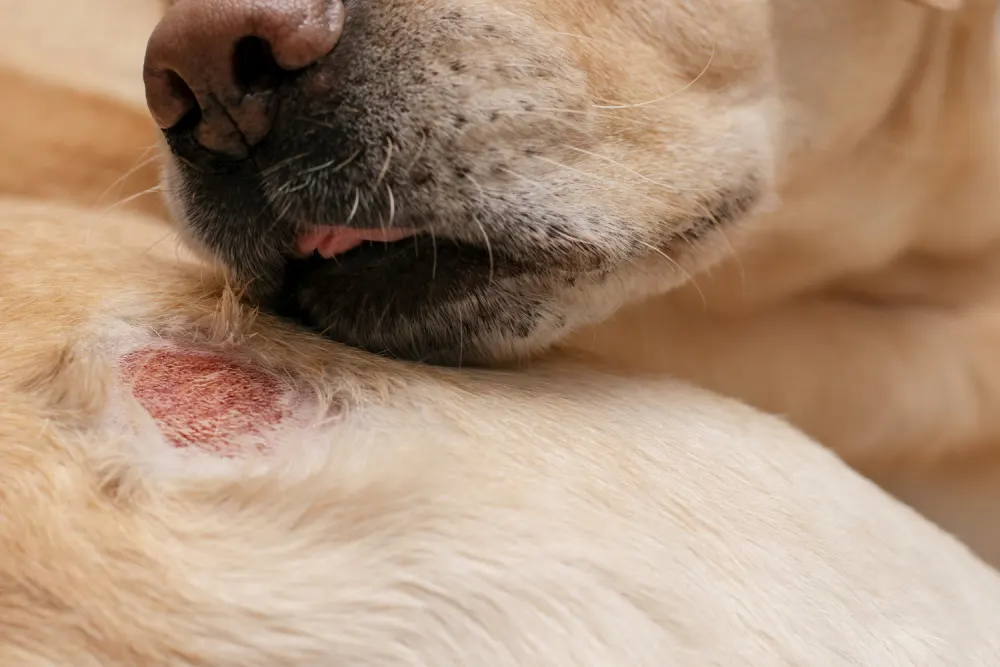

If your dog has been scratching more than usual, developing small sores or patches of missing fur, or the skin seems red and irritated without a clear reason, a staph infection in dogs may be worth considering. It is one of the most commonly seen skin conditions in dogs across India, particularly during humid and warm months, and it is far more manageable than it might initially seem. With timely veterinary attention and consistent care at home, most dogs recover well and go on to live comfortably. Understanding what causes it, how to recognise it, and what treatment involves puts you in the best position to help your dog.
What Is a Staph Infection in Dogs?
Staph infection in dogs is caused by Staphylococcus bacteria, most commonly Staphylococcus pseudintermedius. These bacteria are naturally present on the skin of healthy dogs without causing any harm. The problem arises when the skin barrier is weakened or the immune system is compromised, allowing the bacteria to multiply and cause an active infection. This type of bacterial skin infection is referred to as pyoderma, and it ranges in severity from superficial surface infections to deeper infections affecting the layers beneath the skin.
Superficial pyoderma is by far the most common presentation. It affects the outer layers of the skin and typically responds well to appropriate antibiotic treatment. Deep pyoderma is less common but more serious, reaching the deeper skin tissue and sometimes causing significant discomfort and systemic signs.
Why Dogs in India Are Particularly Prone
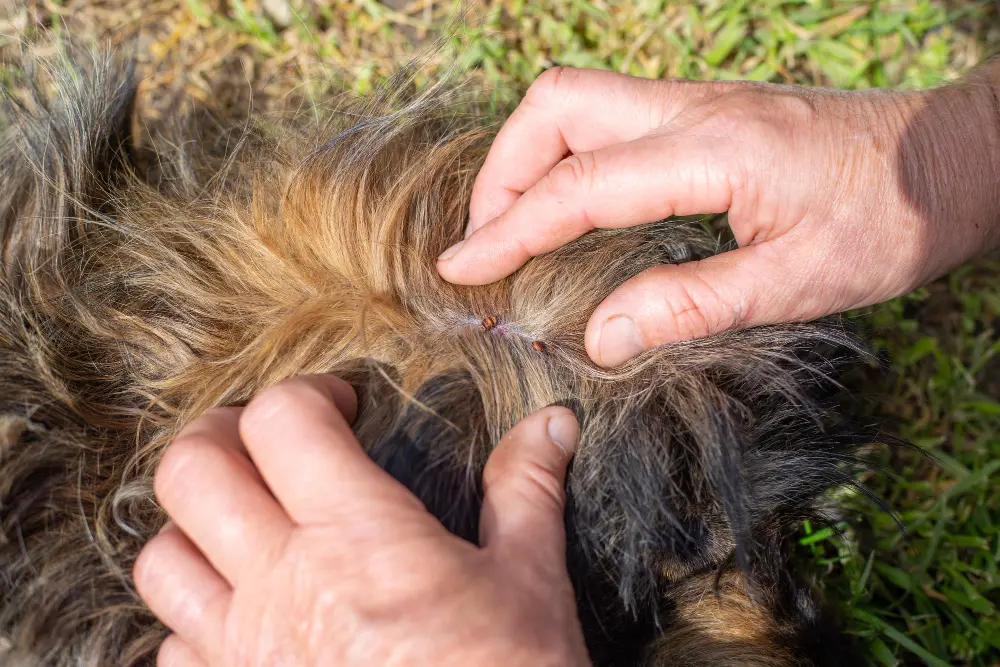
India’s warm and humid climate creates conditions in which skin infections thrive. Bacterial growth accelerates in heat and moisture, and dogs that spend time outdoors or live in humid environments have a naturally higher exposure risk. Flea and tick infestations, which are year-round concerns across most of India, cause repeated scratching and skin trauma that breaks down the skin’s protective barrier and creates entry points for bacteria.
In urban areas, dogs living in apartments with limited ventilation during summer months, or dogs that are bathed irregularly, often develop skin fold irritation or localised moisture buildup that becomes a breeding ground for bacteria. We frequently see this pattern in dogs brought to us after months of intermittent scratching that was dismissed as allergies, particularly in cities like Mumbai, Chennai, and Bengaluru where humidity remains high for much of the year.
Symptoms of Staph Infection in Dogs
The symptoms of staph infection in dogs can vary depending on whether the infection is superficial or deep, and how long it has been present before treatment begins. Common signs to look out for include:
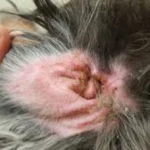
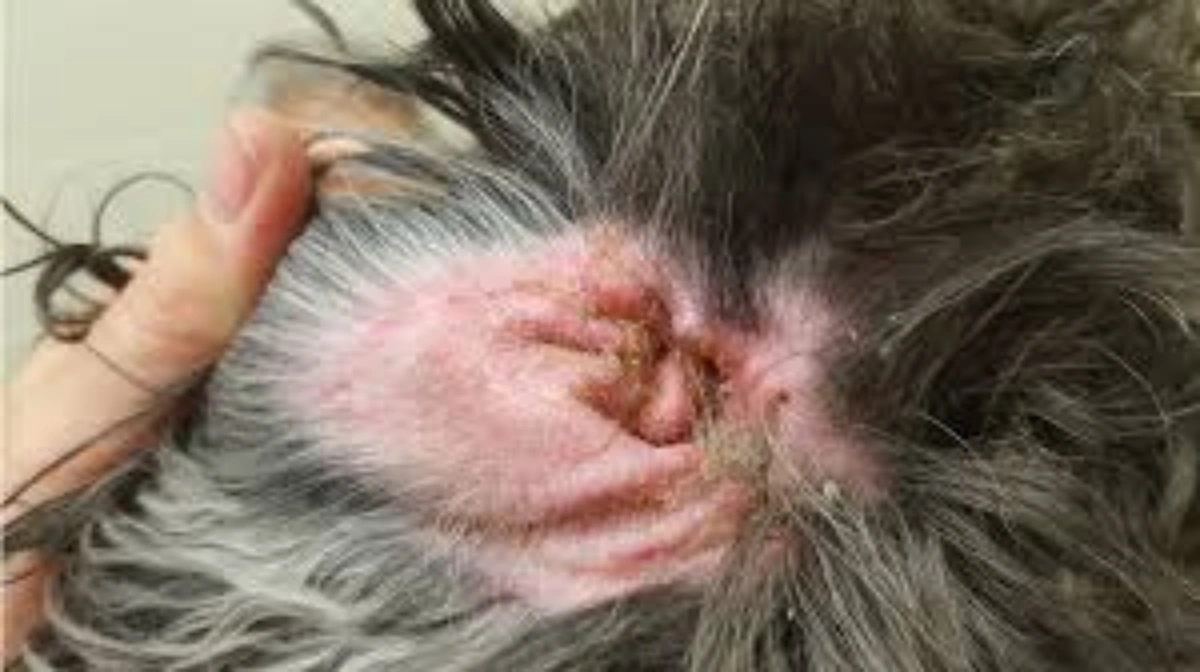
- Red, inflamed patches of skin, often circular in appearance
- Pus-filled bumps or pustules on the skin surface, which may rupture and crust over
- Hair loss in affected areas, sometimes forming ring-shaped bald patches
- Persistent itching, licking, or chewing at specific areas
- Scabs or crusting on the skin after pustules break open
- A noticeable musty or unpleasant odour from the coat or skin
- Thickened or discoloured skin in areas of chronic infection
- In deeper infections: swelling, pain on touch, and discharge from lesions
One of the trickier aspects of staph infection in dogs is that many of these signs overlap with allergies, fungal infections, and parasitic infestations. A dog that appears to be allergic may in fact have an underlying staph infection driving or worsening the skin reaction. This is why veterinary diagnosis is essential rather than treating at home based on appearance alone.
When Symptoms Are Getting Worse
If the lesions are spreading rapidly, your dog develops a fever, becomes lethargic, or the skin appears to be swelling and producing significant discharge, the infection may be deepening and requires prompt veterinary attention rather than a monitored wait.
Related Videos


Causes and Trigger Factors
Staph bacteria do not cause infection in healthy, uncompromised skin. Something typically disrupts the skin barrier or the immune response before a bacterial skin infection takes hold. Common trigger factors include:
- Allergies: Environmental allergies, food sensitivities, and flea allergy dermatitis all cause repeated scratching and skin trauma that invites bacterial overgrowth
- Flea and tick infestation: Bites and the resulting scratching damage the skin surface and introduce bacteria
- Wounds or abrasions: Even minor skin injuries from play, rough surfaces, or grooming can become entry points
- Poor grooming and hygiene: Accumulated dirt, moisture trapped in the coat, and infrequent bathing allow bacteria to proliferate on the skin surface
- Weakened immune system: Dogs on long-term steroids, those with hormonal disorders, or dogs recovering from illness are more susceptible
- Skin fold anatomy: Breeds with deep facial folds, wrinkled skin, or heavy coat density trap moisture and warmth in ways that bacteria exploit
Underlying Conditions That Can Lead to Recurrence
Dogs that develop recurrent staph infections despite completing treatment courses may have an underlying condition making them persistently vulnerable. Hypothyroidism, hyperadrenocorticism (Cushing’s disease), and ongoing allergic skin disease are among the most common culprits. Fungal infections can sometimes mimic or co-exist with bacterial skin infections. If your dog’s staph infection keeps returning, your vet may recommend further investigation into these underlying causes rather than simply repeating antibiotic treatment.
How Vets Diagnose Staph Infection in Dogs
Diagnosis of staph infection in dogs is usually based on a combination of clinical examination and simple diagnostic tests. Your vet will typically assess the distribution and appearance of skin lesions and may recommend one or more of the following:
| Diagnostic Method | What It Involves | When It Is Used |
|---|---|---|
| Skin cytology | A sample is taken from the skin surface or a lesion using tape or a swab and examined under a microscope for bacteria and inflammatory cells | First-line test for most suspected skin infections; widely available and relatively affordable |
| Skin scraping | A gentle scraping of the skin surface to rule out mites or fungal elements | Used when parasites or ringworm are also being considered |
| Bacterial culture and sensitivity | A swab from the lesion is sent to a laboratory to identify the exact bacteria and determine which antibiotics will be effective | Recommended for deep infections, recurrent infections, or cases not responding to initial treatment |
| Blood tests | Complete blood count and biochemistry to check for systemic involvement or underlying hormonal disorders | Used when recurrence or systemic disease is suspected |
Culture and sensitivity testing is particularly valuable in India given the growing concern around antibiotic resistance. Using the right antibiotic from the start, based on laboratory guidance, reduces the risk of treatment failure and helps avoid contributing to resistance patterns.
Treatment of Staph Infection in Dogs
Treatment of staph infection in dogs depends on the severity and depth of the infection. The core of treatment is antibiotic therapy, but topical care and addressing any underlying causes are equally important for a full and lasting recovery.
- Oral antibiotics: Commonly prescribed antibiotics include amoxicillin-clavulanate, cephalexin, or clindamycin, selected based on the type of infection and ideally guided by culture and sensitivity results. A minimum course of three to four weeks is typical for superficial infections, while deep infections may require six weeks or longer
- Medicated shampoos: Chlorhexidine-based shampoos are widely used alongside oral antibiotics to reduce bacterial load on the skin surface and support healing. These are used two to three times a week during the treatment period
- Topical antibiotics or antiseptics: For localised lesions, your vet may prescribe a topical antibiotic cream or spray to apply directly to affected areas
- Treating the underlying cause: If allergies, fleas, or a hormonal condition are driving the infection, addressing these alongside the antibiotic course is essential to prevent recurrence
Completing the full antibiotic course as prescribed is critical. Stopping treatment early when the skin appears to be improving is one of the most common reasons for recurrence and for the development of antibiotic-resistant bacteria. Do not adjust the dose or duration without guidance from your vet.
Related Products




Home Care and Hygiene During Recovery
Supporting your dog’s recovery at home makes a meaningful difference to how quickly the skin heals and how well the treatment works:
- Wash your dog’s bedding regularly in hot water to reduce bacterial recontamination
- Keep the affected areas clean and dry; moisture slows healing and can worsen infection
- Use an Elizabethan collar if your dog is licking or chewing at lesions, as this introduces additional bacteria and prevents the skin from healing
- Bathe your dog with the prescribed medicated shampoo, leaving it on the coat for at least five to ten minutes before rinsing to maximise its antibacterial effect
- In hot and humid Indian weather, ensure your dog has good ventilation and avoid leaving them in enclosed, damp spaces during treatment
Recovery and Prognosis
The prognosis for staph infection in dogs is generally very good when treatment is started early and completed in full. Superficial infections typically show visible improvement within one to two weeks of starting antibiotics, with full resolution by three to four weeks. Deeper infections take longer and require closer monitoring.
Recurrence is the main challenge in some dogs. If the underlying trigger, whether allergies, parasites, or an immune condition, is not identified and managed, the bacteria are likely to cause another infection once antibiotics are stopped. Dogs with recurrent staph infections benefit from a more detailed investigation and a longer-term management plan rather than repeated short antibiotic courses.
Prevention of Staph Infection in Dogs
Preventing staph infection in dogs centres on maintaining healthy skin and reducing the conditions that allow bacteria to take hold:
- Regular grooming: Brushing removes dirt, debris, and dead skin that accumulates in the coat, particularly in long-haired and double-coated breeds
- Consistent flea and tick prevention: Year-round parasite control is essential in India to prevent the skin trauma and immune triggering that leads to infection
- Routine bathing: Bathing with a gentle, appropriate shampoo at regular intervals keeps bacterial load on the skin surface manageable
- Nutritional support: A balanced diet with adequate protein, omega fatty acids, and micronutrients supports skin barrier integrity and immune function
- Prompt attention to skin changes: Catching and treating minor skin irritations, hot spots, or flea bites before they develop into full infections significantly reduces the risk of staph infection taking hold
- Regular veterinary check-ups: Routine health assessments allow early identification of skin changes, parasite burdens, and hormonal issues that predispose dogs to bacterial skin infections
When to See a Vet Without Delay
Contact your vet promptly if your dog shows any of the following:
- Rapidly spreading lesions or sores that increase in number or size within days
- Signs of pain, swelling, or warmth in affected skin areas
- Fever, lethargy, or loss of appetite alongside skin symptoms
- Lesions that are not improving after one week of treatment, or that worsen despite antibiotics
- Deep sores with significant discharge or bleeding
- A second episode of skin infection within a few months of the last one
Staph infection in dogs is a condition that responds well to veterinary care when it is addressed early and managed consistently. The skin changes it causes can look concerning, but with the right antibiotic course, appropriate topical treatment, and attention to the factors that triggered the infection in the first place, most dogs recover fully. Prevention through good grooming, reliable parasite control, and regular veterinary attention remains the most effective long-term strategy for keeping your dog’s skin healthy.