Inflammation of the Meninges and Arteries Resolved with Steroids in Dogs
In dogs, steroid-responsive meningitis-arteritis is characterized by inflammation of the protective membranes surrounding the spinal cord and brain (meninges) and inflammation of the arteries’ walls. This condition leads to alterations in the blood vessels of vital organs such as the heart, liver, kidney, and gastrointestinal system. Steroid-responsive meningitis-arteritis is a global issue, with speculation that dogs may have a genetic predisposition to the disease. However, it can affect dogs of any breed, although it is more prevalent in dogs younger than two years old.
Symptoms and Types
The symptoms and types of steroid-responsive meningitis-arteritis in dogs can be categorized as sudden (acute) or long-term (chronic):
Sudden:
- Heightened sensitivity to stimuli
- Stiffness in the neck
- Neck pain
- Difficulty in walking, characterized by a stiff gait
- Fever reaching temperatures up to 107.6 degrees Fahrenheit
Long-term:
- Development of additional neurological issues such as paralysis and weakness in the hind legs
Causes
The causes of steroid-responsive meningitis-arteritis in dogs remain unknown. It is potentially immune-mediated, possibly linked to abnormal production of Immunoglobulin A (IgA), an antibody found in the mouth and on mucosal surfaces. The condition may be triggered by environmental factors, potentially including infectious causes.
Diagnosis
To diagnose steroid-responsive meningitis-arteritis in your dog, it’s crucial to provide a detailed history of your dog’s health, the onset of symptoms, and any potential incidents that may have occurred before the condition manifested, such as accidents or prior illnesses. Your veterinarian will conduct a thorough physical examination of your dog, including a neurological assessment. Standard laboratory tests will be performed, including a biochemical profile, complete blood count, urinalysis, and electrolyte panel. Additionally, a sample of cerebrospinal fluid (CSF) will be obtained to assess cell and protein levels.
Treatment
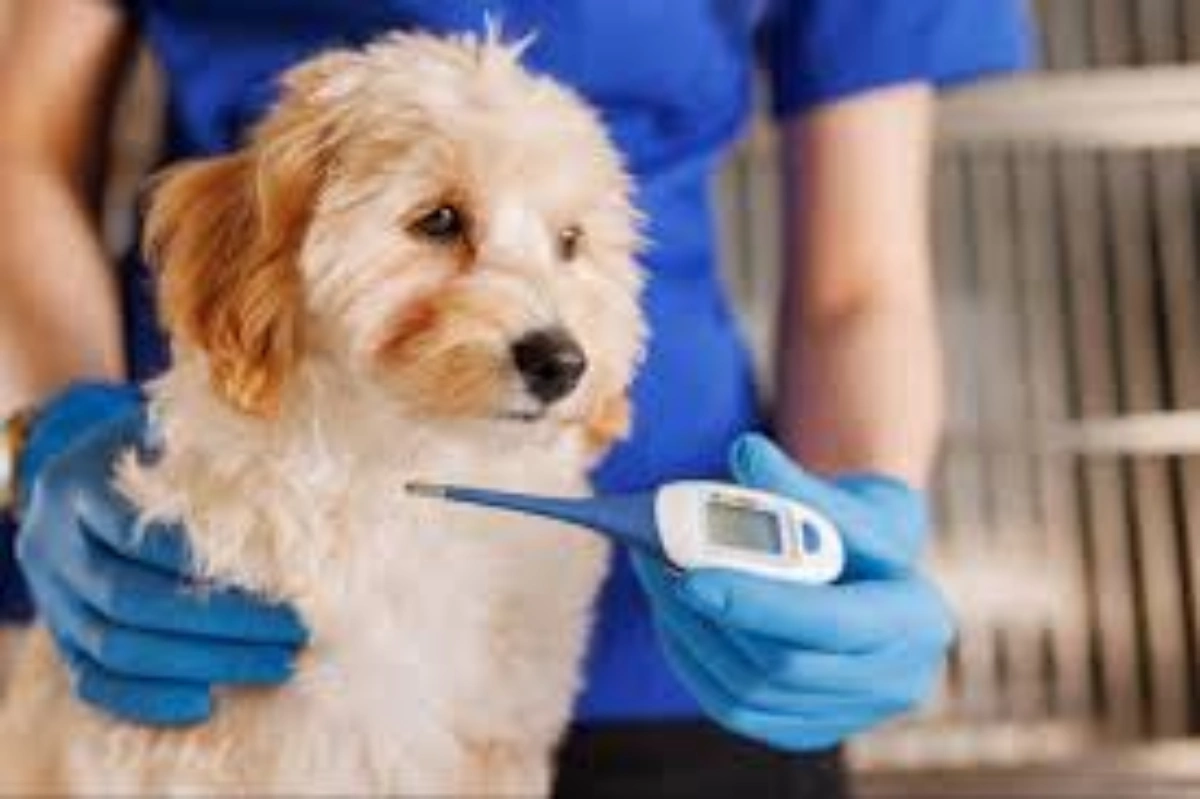
Initially, your dog will require hospitalization for the treatment of fever and fluid therapy. Lowering the body temperature typically involves the use of ice packs or cool water baths, although the specific treatment method will be determined by your veterinarian based on your dog’s overall condition. It’s important to maintain your dog’s physical activity level to prevent muscle atrophy resulting from lack of movement. If your dog experiences pain or paralysis, a tailored physical routine will need to be devised to accommodate these issues while keeping your dog active and preventing muscle atrophy. Your veterinarian will prescribe pain medication and steroids for your pet and assist you in developing a plan to ensure your dog remains physically active without exacerbating pain or stress. Treatment must be continued for six months to prevent relapse in the patient.
Living and Management
After the initial treatment, your veterinarian will arrange follow-up appointments for your dog every four to six weeks to monitor bloodwork and conduct CSF testing. The treatment regimen typically extends over about six months.
Related Videos