
Stomatitis is not a minor dental inconvenience. It is one of the most painful conditions a dog’s mouth can develop, and it affects far more than just the teeth.
Unlike gingivitis, which is confined to the gums, stomatitis involves the entire oral mucosa, the soft tissue lining the gums, cheeks, tongue, lips, and palate. The inflammation is intense, the ulceration is often severe, and the pain it causes can reach a point where a dog refuses to eat entirely. Not reluctance. Refusal. Because opening the mouth has become too painful to tolerate.
Stomatitis is a condition that demands early recognition, accurate diagnosis, and long-term management commitment. Without it, the impact on a dog’s quality of life is profound and progressive.
What Is Stomatitis in Dogs?
Stomatitis is diffuse inflammation of the oral mucosa. Where gingivitis affects only the gum tissue immediately surrounding the teeth, stomatitis extends throughout the mouth, involving any or all of the soft tissues of the oral cavity.
The inflammation produces redness, swelling, and, in most cases, painful ulceration of the affected tissue. In severe cases, the entire inner surface of the mouth can be involved, leaving virtually no comfortable tissue remaining.
The condition is frequently immune-mediated, meaning the dog’s own immune system is actively contributing to the tissue destruction. In many cases, the immune system mounts an exaggerated, sustained response to the bacteria present in dental plaque, and the oral tissue bears the consequences. This is a critical distinction from ordinary dental infection, because it means that simply removing bacteria may not be sufficient to fully resolve the condition.
Symptoms of Stomatitis in Dogs
The symptoms of stomatitis are driven primarily by pain, and because dogs instinctively suppress signs of distress, many cases are more advanced than they initially appear.
Common Clinical Signs
- Severely bad breath (halitosis) that is notably worse than typical dental odour
- Excessive drooling, sometimes blood-tinged
- Difficulty eating, extreme reluctance to eat, or complete refusal of food
- Weight loss resulting from inability to eat comfortably
- Visibly red, swollen, and inflamed mouth tissues
- Ulcers on the gums, tongue, cheeks, or lips
- Pain or flinching when the mouth is opened or the face is touched
- Pawing at the mouth or rubbing the face against surfaces
Some dogs with stomatitis will cry or whimper while attempting to eat, then abandon the food bowl entirely. Others will stop approaching food altogether. This is not pickiness. It is a pain response. A dog that was previously eating normally and has suddenly become reluctant to eat needs a veterinary oral examination without delay.
Causes of Stomatitis in Dogs
Stomatitis is almost always multifactorial. Several contributing mechanisms frequently operate simultaneously.
Immune-Mediated Reaction (Common Cause)
The most significant driver of chronic stomatitis in dogs is an immune system overreaction to dental plaque bacteria. In susceptible dogs, the immune response to even normal plaque levels is disproportionately aggressive, creating sustained inflammation that damages oral tissue rather than resolving the bacterial load.
This immune-mediated component is what makes stomatitis so persistent and so difficult to fully eradicate in many dogs. The trigger, oral bacteria, reforms daily regardless of how thoroughly the mouth is cleaned.
Periodontal Disease and Plaque Buildup
Chronic periodontal disease creates a bacterial environment that continuously fuels the inflammatory cycle. As bacterial toxins damage gum tissue and the immune response escalates, the inflammation spreads beyond the gum line into the broader oral mucosa. In dogs with both established periodontal disease and an immune-mediated predisposition, the resulting stomatitis tends to be severe and rapidly progressive.
Infections (Viral, Bacterial, and Fungal)
Direct infectious agents can also cause or significantly worsen stomatitis. Viral infections, including canine distemper, bacterial overgrowth in damaged tissue, and fungal infections in immunocompromised dogs, can all produce diffuse oral inflammation. Identifying an infectious component changes the treatment approach and may require specific antimicrobial therapy.
Systemic Diseases and Metabolic Disorders
Conditions including chronic kidney disease, diabetes mellitus, and immune-mediated disorders can predispose dogs to stomatitis by compromising the integrity of the oral mucosa or altering the immune response. In these cases, treating the mouth alone without addressing the underlying systemic disease produces incomplete and temporary results.
Trauma, Chemicals, or Foreign Objects
Physical trauma to the oral tissue from burns, caustic substances, or foreign bodies can initiate stomatitis directly or exacerbate existing inflammation. In dogs with an underlying immune-mediated tendency, even minor oral trauma may be sufficient to trigger a significant inflammatory episode.
Related Videos


Types of Stomatitis in Dogs
Chronic Ulcerative Stomatitis (CUPS / CCUS)
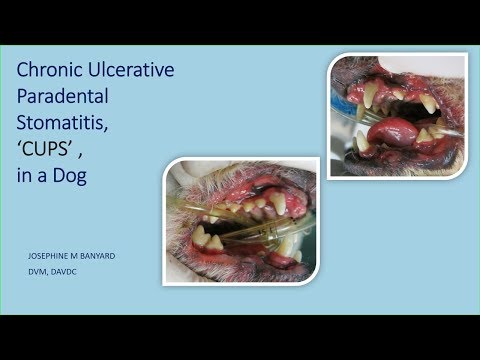
This is the most severe form. Chronic ulcerative paradental stomatitis is characterised by deep, painful ulcers that develop wherever inflamed oral tissue comes into contact with teeth and plaque, producing the classic “kissing lesions” where cheek tissue presses against the tooth surface. For a detailed look at this specific condition and its management, our guide to chronic mouth inflammation and ulcers in dogs covers the full clinical picture.
Contact Mucositis
In this presentation, the inflammation is most intense at the points of direct contact between oral soft tissue and the tooth surface. The pattern of lesions mirrors the areas of plaque accumulation, which reflects the immune-mediated mechanism driving the condition.
Secondary Stomatitis
Secondary stomatitis arises as a consequence of systemic illness, metabolic disease, or severe infection rather than as a primary oral condition. Identifying and managing the underlying systemic cause is central to resolving this form.
How Veterinarians Diagnose Stomatitis in Dogs
Diagnosis requires identifying both the presence of stomatitis and, wherever possible, the underlying cause driving it.
Oral Examination
The veterinarian examines the entire mouth under sedation or general anaesthesia, assessing the distribution and severity of inflammation, the extent of ulceration, the pattern of lesion placement, and the degree of plaque and tartar involvement. The pattern and location of lesions provide important diagnostic information about the likely mechanism.
Dental X-rays
Radiographs assess bone involvement, the degree of underlying periodontal disease, and any tooth root pathology contributing to the inflammatory stimulus. This information is essential for treatment planning, particularly when extraction is being considered.
Blood Tests and Systemic Evaluation
Blood tests, including a complete blood count and biochemistry panel, assess kidney and liver function, immune status, and metabolic indicators. These results identify or rule out systemic disease as a contributing or primary cause of the stomatitis.
Biopsy (Severe Cases)
When the oral lesions appear atypical, when the condition is not responding to standard treatment, or when there is any concern about the possibility of malignant disease, a tissue biopsy is performed. Biopsy is the only way to definitively rule out oral cancer in dogs, which can present with similar patterns of ulceration and inflammation.
Treatment for Stomatitis in Dogs
Treatment for stomatitis is rarely a single intervention. It is a structured, long-term management protocol with multiple components working together.
Professional Dental Cleaning
Thorough professional dental cleaning under anaesthesia is the foundation of every stomatitis treatment plan. Removing plaque and calculus from above and below the gum line reduces the bacterial load that is triggering the immune response. In cases where the immune-mediated cycle is active, professional cleaning may need to be repeated every few months rather than annually, as plaque reforms rapidly and even small accumulations are sufficient to reignite the inflammatory response.
Consistent at-home brushing using veterinary-approved products complements professional cleaning and extends the intervals between flares.
Medications (Pain, Infection, and Immune Control)
Antibiotics address secondary bacterial infection in damaged tissue. Anti-inflammatory medications, including corticosteroids or NSAIDs, reduce the acute inflammatory response and provide pain relief that directly supports the dog’s ability to eat. In immune-mediated cases, immunosuppressive drugs are used to dampen the disproportionate immune reaction driving the tissue destruction.
Pain management is a non-negotiable component of stomatitis treatment. Untreated oral pain prevents normal eating, causes weight loss, and significantly affects overall well-being.
Tooth Extraction (Severe Cases)
In cases where the immune response to dental plaque cannot be adequately controlled through cleaning and medication, removing the teeth eliminates the primary trigger. When teeth are absent, there is no plaque, and without plaque, the immune stimulus is removed.
Full mouth extraction is a significant procedure, but in dogs with severe, refractory stomatitis, it frequently produces the most dramatic and lasting improvement. Most dogs adapt well, eat comfortably on soft food, and show a clear improvement in quality of life within weeks of recovery.
Advanced Therapies (Chronic Cases)
In dogs with chronic, treatment-resistant stomatitis, additional interventions, including laser therapy for oral tissue management and longer-term immune modulation protocols, may be pursued. These approaches are typically managed at a veterinary dental specialist level and are reserved for cases where standard treatment has not achieved adequate control.
Related Products



Prognosis and Long-Term Outlook
Mild stomatitis cases with an identifiable and manageable trigger generally respond well to treatment and carry a good prognosis with appropriate ongoing care.
Chronic, immune-mediated stomatitis is rarely cured outright. It is managed. The goal is to achieve periods of remission and maintain the dog’s comfort and ability to eat, rather than to eliminate the underlying predisposition. Some dogs require lifelong management, including periodic professional cleaning, ongoing medication, and regular monitoring.
Early intervention consistently improves outcomes. Dogs treated at the first signs of significant oral inflammation have more options, less accumulated damage, and a more straightforward management path than those whose condition has been progressing untreated.
Complications of Untreated Stomatitis
Severe Pain and Starvation Risk
When oral pain reaches the point where a dog will not eat, the consequences extend far beyond the mouth. Nutritional deficiency, muscle loss, immune compromise, and organ strain all follow prolonged inadequate food intake. Stomatitis, left untreated, can directly affect a dog’s survival.
Secondary Infections and Ulcers
Damaged, inflamed oral tissue is highly susceptible to secondary bacterial and fungal infection. Each new infection deepens the tissue damage and raises the level of inflammation, creating a cycle that becomes progressively more difficult to interrupt.
Systemic Health Decline
Chronic oral infection and inflammation do not remain confined to the mouth. Bacteria from severely infected oral tissue can enter the bloodstream and affect the kidneys, heart valves, and liver over time. Weight loss, weakness, and a visible decline in overall condition are the expected consequences of stomatitis that goes without treatment for extended periods.
When to See a Veterinarian
Contact your veterinarian without delay if your dog shows any of the following:
- Complete refusal to eat or a dramatic reduction in food intake
- Severe drooling, particularly if blood-tinged
- Visible ulcers, redness, or raw tissue inside the mouth
- Unexplained weight loss alongside changes in eating behaviour
- Flinching, crying, or obvious pain when the mouth is opened or touched
- Lethargy or general decline in condition alongside oral signs
Stomatitis does not improve without treatment. Every week of delay allows more tissue damage, more pain, and more difficulty for your dog.