Most owners notice the mouth last.
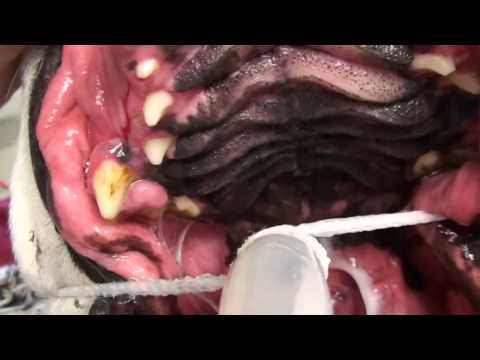
A dog that is still eating, still playing, still wagging its tail at the door does not seem like a dog in pain. But if you lift that dog’s lip and look at the gum tissue around the teeth, what you might find is red, puffy, inflamed tissue that bleeds at the lightest touch.
Swollen gums are one of the most common signs of dental disease in dogs, and one of the most consistently overlooked. The inflammation happens gradually. It does not produce the kind of dramatic symptoms that send owners rushing to the vet. And so it quietly worsens, week after week, until what began as reversible gingivitis becomes established periodontal disease with real and permanent consequences.
Understanding what swollen gums mean, what causes them, and how they are treated is the foundation of protecting your dog’s dental health before the window for easy, reversible treatment closes.
What Do Swollen Gums in Dogs Mean?
Swollen gums indicate inflammation of the gingiva, the soft tissue that surrounds and supports the base of the teeth. This inflammation is called gingivitis, and it is the body’s response to bacterial activity along the gum line.
Healthy gum tissue is pale pink, firm, and fits snugly around each tooth. When bacteria accumulate in the plaque that forms on tooth surfaces, they produce toxins and trigger an immune response in the adjacent gum tissue. The tissue becomes engorged with blood, swells, softens, and bleeds more easily than normal.
In its early stages, gingivitis is confined to the gum tissue itself and is fully reversible with proper treatment. The underlying structures supporting the teeth, the periodontal ligament and the alveolar bone, remain intact.
Left untreated, the bacterial infection spreads beneath the gum line. The body’s immune response, attempting to fight the infection, begins to destroy the tissue and bone that anchor the teeth. This is the transition from gingivitis to periodontal disease, and it is where the damage becomes permanent.
Swollen gums are, therefore, not just a cosmetic problem or a minor inconvenience. They are a signal that bacterial disease is active in the mouth and that the clock is ticking on reversible treatment.
Symptoms of Swollen Gums in Dogs
Common Signs to Watch For
The signs of gum inflammation in dogs range from subtle and easily missed to obvious and urgent. Knowing the full spectrum helps owners recognise the condition earlier.
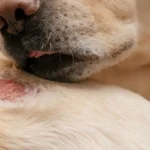
Red or puffy gums. The gum tissue around the teeth, particularly along the gum line where it meets the tooth surface, appears visibly redder and more swollen than the normal pale pink of healthy tissue. This redness may be subtle at first, affecting only a portion of the mouth, before becoming more widespread.
Bleeding gums. Inflamed gum tissue bleeds far more easily than healthy tissue. Bleeding may be noticed during tooth brushing, when the dog chews on a toy, or even spontaneously. Blood-tinged saliva on a chew toy or blood streaks on the water bowl are signs that bleeding is occurring. For more detail on how redness and discolouration indicate specific gum conditions, the guide to red gums in dogs provides useful additional context.
Bad breath. The bacterial activity driving gum inflammation produces the compounds responsible for halitosis. Persistent unpleasant breath in a dog is almost always an oral health signal. It is not normal and should not be accepted as inevitable.
Excessive drooling. Oral pain and inflammation can stimulate increased salivation. A dog that is suddenly drooling more than usual, particularly alongside other dental signs, warrants an oral examination.
Difficulty chewing food. A dog with swollen, painful gums may drop food from its mouth, chew exclusively on one side, take longer to eat, or show reduced enthusiasm for meals. These behavioural changes are often interpreted as pickiness rather than pain.
Pawing at the mouth. Dogs sometimes paw at the face or rub the muzzle along the ground when experiencing oral discomfort. This is not a specific sign of gum disease, but combined with other symptoms, it adds to the picture.
Loss of appetite. In more advanced cases where gum pain is significant, some dogs begin eating less or refusing food they previously accepted willingly.
Causes of Swollen Gums in Dogs
Periodontal Disease
The most common cause of swollen gums in dogs is the progression of plaque and tartar accumulation into gingivitis and periodontal disease. This is not a single event but a continuous process.
Plaque forms on tooth surfaces within hours of cleaning. When not removed, it mineralises into tartar within days. Tartar provides additional surfaces for bacterial colonisation and sits at the gum line, where it directly irritates the adjacent tissue. The bacteria in subgingival plaque, the plaque beneath the gum margin, are particularly damaging and drive the progression from reversible gingivitis into destructive periodontal disease.
Understanding the full progression of periodontal gum disease in dogs is essential for grasping why early treatment matters so much and what happens to the supporting structures of the teeth if the disease is not addressed.
Poor Oral Hygiene
Dogs do not clean their own teeth effectively. Without regular brushing and periodic professional dental cleaning, plaque accumulates unchecked. Domestic dogs eating commercial food, particularly soft or wet food, have far less mechanical tooth cleaning from their diet than their wild counterparts. The result is progressive plaque and tartar build-up that, without intervention, inevitably leads to gum inflammation.
This is not a failure of the dog. It is a predictable consequence of domestic life that requires active management by the owner.
Injury or Trauma to the Mouth
Sharp objects, sticks, bones, and hard chew toys can cause physical trauma to the gum tissue. A cut or bruise to the gums triggers localised inflammation and swelling that may initially resemble disease-related gingivitis.
Foreign objects lodged between teeth or under the gum line, splinters of bone, plant material, or fibres from toys, can create focal areas of intense localised inflammation and sometimes abscess formation. Any dog showing swelling confined to one specific area of the mouth, particularly following vigorous chewing, should be examined for a possible foreign body.
Systemic Diseases and Infections
Some conditions affecting the entire body manifest in the mouth as gum inflammation or abnormal gum changes.
Immune-mediated conditions such as pemphigus and other autoimmune diseases can cause lesions in the oral mucosa and gum tissue.
Metabolic diseases, including kidney failure and diabetes mellitus, are associated with oral changes. Uraemic stomatitis, which occurs in dogs with advanced kidney disease, causes significant oral inflammation and ulceration.
Blood disorders that affect clotting or blood cell counts can cause gum bleeding and unusual gum colour changes. A dog with gums that bleed spontaneously and excessively, beyond what would be expected from mild gingivitis, warrants investigation for an underlying systemic cause.
Viral and bacterial infections can cause generalised oral inflammation as part of a broader systemic illness.
When gum swelling occurs in a young dog with no obvious dental disease, in a dog that has recently received good dental care, or alongside other signs of systemic illness, looking beyond dental disease for a systemic cause is appropriate.
Related Videos


How Veterinarians Diagnose Swollen Gums in Dogs
Oral Examination
The diagnostic process begins with a visual assessment of the mouth during the physical examination. The veterinarian evaluates the colour and degree of swelling of the gum tissue, checks for bleeding on light contact, assesses the amount of visible plaque and tartar, and looks for any obvious foreign objects, growths, or areas of ulceration.
A complete oral assessment requires the dog to be cooperative with mouth handling. A brief examination in a conscious dog can reveal significant information. However, a thorough evaluation, including measurement of periodontal pocket depths and assessment of every tooth surface, requires general anaesthesia.
Dental X-Rays
Dental radiography reveals what the clinical examination cannot. The majority of the tooth lies beneath the gum line, and much of the destruction associated with periodontal disease occurs in the bone and ligaments that are not visible externally.
X-rays show the degree of bone loss around each tooth root, reveal tooth root abscesses that may not be apparent from the surface, identify teeth with internal disease, and confirm whether affected teeth are candidates for treatment or require extraction.
Treating swollen gums without dental radiography means treating only the visible portion of the problem. The underlying bone and root health, which determines both prognosis and treatment planning, cannot be properly assessed without imaging.
Treatment for Swollen Gums in Dogs
Professional Dental Cleaning
The foundation of treatment for gum inflammation caused by dental disease is professional dental scaling under general anaesthesia.
Scaling removes all plaque and tartar from every tooth surface, both above and below the gum line, where the bacteria causing the inflammation reside. Ultrasonic scalers efficiently remove the bulk of tartar deposits, and hand instruments clean the root surfaces within periodontal pockets that cannot be reached any other way. The teeth are then polished to smooth the surfaces and slow subsequent plaque accumulation.
In early gingivitis, a single professional cleaning combined with consistent home care allows the gum tissue to return to a healthy state over the following weeks. The inflammation resolves, the swelling reduces, and the gums return to their normal pink, firm appearance.
Professional cleaning performed on a conscious dog, sometimes marketed as non-anaesthetic dental cleaning, only addresses the visible surface of the crown. It cannot access subgingival deposits, cannot allow proper examination under probing, and cannot perform dental radiography. It is not a substitute for a proper dental procedure.
Antibiotics and Anti-Inflammatory Medications
When bacterial infection is significant, particularly in the presence of deep periodontal pockets, tooth root abscesses, or evidence of spreading infection, antibiotics are prescribed. They reduce the bacterial burden and prevent the infection from spreading to surrounding tissues or entering the bloodstream.
Anti-inflammatory medications reduce gum swelling and pain, making the dog more comfortable during the acute phase of treatment. They are used alongside, not instead of, professional dental cleaning.
In cases where a systemic disease is driving the gum inflammation, treating that underlying condition is the primary intervention. Oral inflammation secondary to kidney disease, immune disorders, or other systemic conditions will not resolve from dental treatment alone.
Tooth Extraction in Severe Cases
When periodontal destruction has progressed to a point where a tooth cannot be saved, extraction is the appropriate treatment. Teeth with severe bone loss, mobility, or associated abscesses are sources of chronic infection and pain.
Removing a non-salvageable tooth eliminates the infection and pain it is causing. Dogs recover from extractions quickly. Most are eating normally within a few days. The relief of removing a chronically painful, infected tooth is often visible in the dog’s behaviour and demeanour within days of the procedure.
In the context of swollen gums that have been present for an extended period, and where chronic mouth inflammation and ulcers have developed alongside the gum disease, multiple extractions may be necessary to achieve resolution of the oral inflammatory burden.
Related Products





Prognosis and Recovery
The prognosis for swollen gums in dogs depends primarily on what stage the disease has reached by the time treatment is initiated.
Early gingivitis treated with professional cleaning and followed by consistent home oral care is fully reversible. The gums heal, the swelling resolves, and with ongoing prevention, the condition does not recur at the same rate. This is the best possible outcome, and it is achievable when the condition is caught before bone loss occurs.
Once periodontal disease has progressed to involve bone destruction, that bone loss is permanent. Treatment at this stage halts further progression and removes the source of infection and pain, but it cannot restore the structural support that has already been lost. The remaining teeth can be stabilised and maintained, but the mouth requires more frequent professional care going forward.
Untreated gum disease progresses predictably toward tooth loss, chronic oral pain, and systemic bacterial exposure over time. The prognosis for a dog whose dental disease is never treated is a life lived with increasing oral discomfort and escalating disease.
Preventing Swollen Gums in Dogs
Prevention of gum inflammation is genuinely achievable and significantly less involved than treating established disease.
Daily tooth brushing is the single most effective preventive measure. Disrupting plaque before it mineralises removes the primary bacterial driver of gum inflammation. A soft toothbrush and dog-safe toothpaste, used consistently every day or as close to daily as the dog will tolerate, makes a substantial difference to gum health over time.
Dental chews with demonstrated efficacy complement brushing by providing mechanical cleaning through chewing. Products carrying the Veterinary Oral Health Council seal have met scientific standards for plaque and tartar reduction.
Regular professional dental cleanings at intervals determined by your veterinarian remove what home care cannot address and reset the mouth to a clean baseline periodically.
Appropriate chew toys reduce the risk of gum trauma. Avoid extremely hard objects, bones, and antlers that can crack teeth or lacerate gum tissue.
Regular visual checks of the mouth at home allow owners to notice changes in gum colour, swelling, or odour before they become significant. One minute once a week to lift the lip and look is a small commitment with meaningful preventive value.
When to See a Veterinarian
Book a veterinary appointment promptly if you observe any of the following.
Gum tissue that appears visibly red, swollen, or puffy around one or more teeth.
Bleeding from the mouth during or after eating, during tooth brushing, or that appears spontaneously.
Persistent bad breath that is not improved by brushing.
Any sign of pain during eating, including dropping food, chewing on one side, or sudden food refusal.
Visible tartar deposits on the teeth, particularly thick or widespread accumulations.
Any area of the mouth that appears abnormally swollen, ulcerated, or different from surrounding tissue.
Any of these signs that appear suddenly in a dog that has recently received dental care, suggesting an acute change that may have a different cause from chronic dental disease.
Do not wait for the dog to stop eating or to show obvious distress before seeking care. Dogs with significant dental pain often continue eating in some fashion. Continued eating does not mean the dog is comfortable.
Healthy Gums Are a Measure of Overall Health
Swollen gums are a signal. They are the mouth’s way of communicating that bacterial disease is active, that an immune response is underway, and that something needs attention.
The good news is that when that signal is recognised early, the response is simple and effective. A professional cleaning, followed by consistent home care, gives the gum tissue what it needs to heal. The swelling reduces. The bleeding stops. The breath improves.
The challenge is that this signal is quiet, and it is easy to miss or dismiss in a dog that seems otherwise healthy and happy.
Make looking at your dog’s gums part of your routine. Know what healthy looks like so that you recognise when it changes. And when you see swelling, redness, or bleeding, act on it rather than waiting for it to resolve on its own.
VOSD is committed to providing dog owners with the practical, veterinary-grounded knowledge to make real differences to their dogs’ everyday health. Gum disease is preventable when caught early. And prevention starts with knowing what to look for.