
Thrush in dogs is a term used by many pet parents to describe yeast or fungal infections affecting the skin, ears, paws, or mouth. While thrush is not a standard veterinary diagnosis in dogs the way it is in horses or humans, the condition it describes, an overgrowth of yeast organisms on or in the body, is very real and very common in Indian dogs. The warm, humid climate of much of India creates ideal conditions for yeast to thrive, and many dogs experience recurring bouts of itching, odour, and skin irritation that trace back to this cause. Understanding thrush in dogs, what it is, where it appears, and how to manage it, helps pet parents act early and avoid the cycle of recurrence that so often comes with this condition.
What is Thrush in Dogs?
In the context of dogs, thrush refers to an overgrowth of yeast organisms, most commonly a species called Malassezia pachydermatis, that lives naturally on healthy dog skin in small numbers. Under normal circumstances, the skin’s natural defences keep yeast populations balanced. When something disrupts this balance, whether through excess moisture, allergies, a weakened immune system, or a change in skin health, yeast multiplies rapidly and causes infection.
The result is inflammation, itching, and a characteristic musty or corn-chip-like odour that many pet parents notice before they identify any visible signs. Thrush in dogs is not contagious in the way bacterial infections are, and it does not spread between dogs through normal contact. It is an internal imbalance rather than an illness caught from outside.
In India, yeast infections in dogs are seen year-round but peak noticeably during and after the monsoon season, when persistent humidity, damp fur, and reduced drying time between outdoor exposures create the conditions in which Malassezia thrives most easily.
Where Thrush Appears in Dogs
Yeast infections can develop in several locations on the body, and a dog may be affected in one or multiple areas simultaneously. The most common sites are:
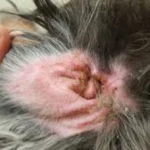
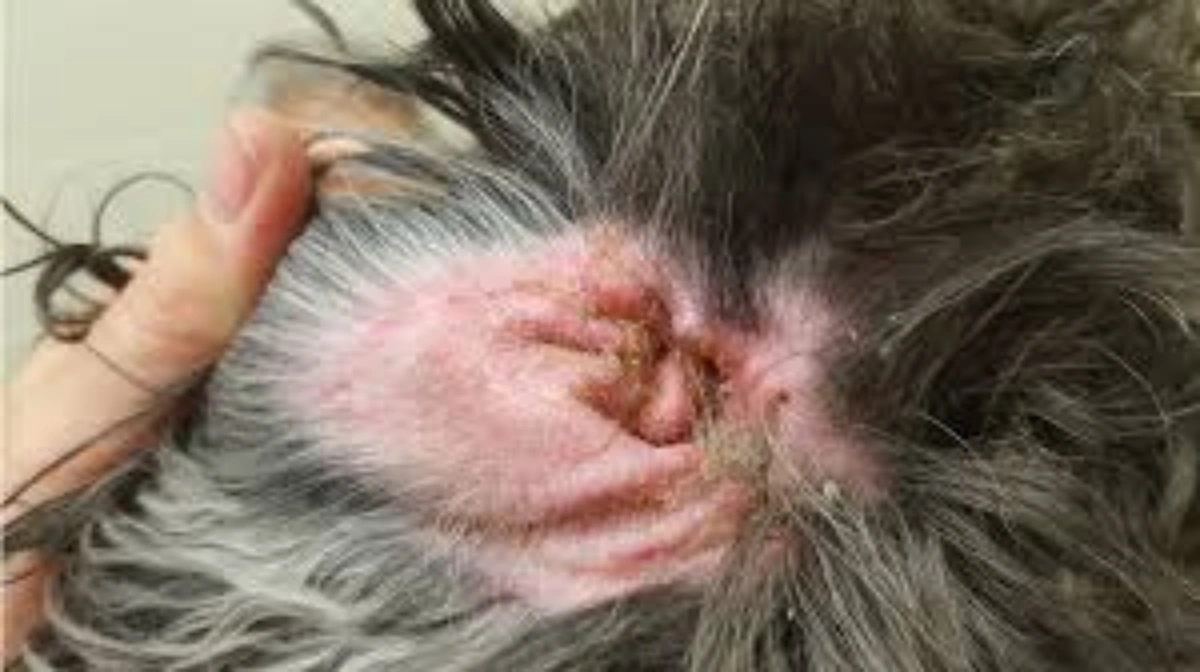
- Ears: The ear canal is one of the most frequent sites of yeast overgrowth in dogs. The warm, enclosed environment of a dog’s ear provides ideal conditions for Malassezia. Affected dogs typically scratch at their ears, shake their heads repeatedly, and may have a dark waxy discharge with a noticeable odour
- Paws and between the toes: Dogs with yeast on their paws lick and chew at their feet persistently. The skin between the toes may appear red, moist, and discoloured, often taking on a reddish-brown staining from saliva over time
- Skin folds: Areas where skin overlaps, such as around the face, neck, armpits, groin, and under the tail, trap moisture and create a warm environment where yeast flourishes. Bulldogs, Pugs, Shar Peis, and Cocker Spaniels are particularly prone to fold-related yeast infections
- Underbelly and groin: The skin on the underside of the body, particularly in dogs that spend time lying on warm or damp surfaces, is commonly affected
- Mouth: Oral yeast overgrowth is less common in dogs than in humans but can occur, particularly in dogs with compromised immunity or those on long-term antibiotics
Symptoms of Thrush in Dogs
The symptoms of thrush in dogs vary depending on where the infection is located, but there are consistent signs that pet parents learn to recognise once they have seen the condition once or twice.
Common signs across affected areas include:
- Persistent scratching, licking, or chewing at the affected area
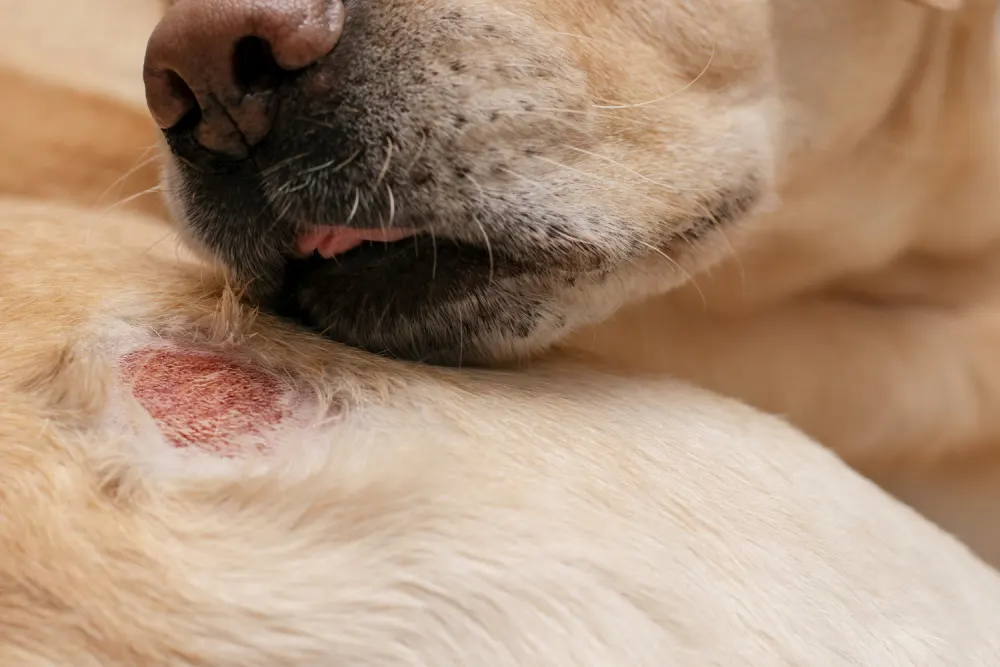
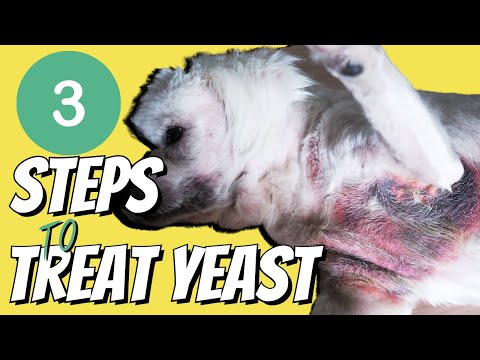
- Redness and visible inflammation of the skin
- A musty, yeasty, or corn-chip-like odour, particularly noticeable around the ears and paws
- Thickened, darkened, or greasy-feeling skin in chronic cases
- Flaking or crusting of the skin surface
- Hair loss in areas of chronic irritation
Ear-specific signs include:
- Head shaking and repeated scratching at the ear
- Dark brown or black waxy discharge from the ear canal
- Redness and swelling inside the ear flap
- Sensitivity or pain when the ear is touched
Paw-specific signs include:
- Constant licking or biting at the feet, particularly between the toes
- Reddish-brown staining of the fur between the toes from saliva
- Moist, inflamed skin between the toe pads
- An unpleasant smell from the paws even after cleaning
Causes and Risk Factors
Thrush in dogs does not arise from nowhere. There is always an underlying reason why the skin’s natural balance has been disrupted enough to allow yeast overgrowth. Identifying and addressing this underlying cause is as important as treating the infection itself, and without it, recurrence is very likely.
| Cause or Risk Factor | How It Contributes to Yeast Overgrowth |
|---|---|
| Humidity and damp conditions | Yeast thrives in moisture. Dogs that remain damp after walks or bathing, particularly in monsoon conditions, are at heightened risk |
| Skin allergies | Allergic reactions disrupt the skin barrier, creating an environment where yeast can colonise more easily. Environmental and food allergies are common underlying triggers |
| Prolonged antibiotic use | Antibiotics reduce bacterial populations on the skin that normally compete with yeast, allowing yeast to overgrow in their absence |
| Steroid or immunosuppressive treatment | Medications that reduce immune activity also reduce the body’s ability to keep yeast in check |
| Poor grooming or infrequent bathing | Accumulated oils, debris, and moisture on the skin surface create a nutrient-rich environment for yeast |
| Skin folds and anatomical features | Breeds with deep folds trap heat and moisture, creating pockets where yeast multiply without normal air circulation |
| Weakened immune system | Dogs with underlying illness, nutritional deficiency, or chronic stress have reduced capacity to control yeast populations on the skin |
| Hypothyroidism or hormonal conditions | Hormonal imbalances alter skin health and sebum production, which affects the skin environment and can predispose to yeast |
Related Videos



How Thrush in Dogs is Diagnosed
A vet will diagnose thrush in dogs through clinical examination and a combination of simple, accessible tests. There is no single definitive test, but the diagnostic process is usually straightforward.
- Skin cytology: A swab or impression smear is taken from the affected area and examined under a microscope. The characteristic peanut or footprint-shaped Malassezia organisms are identifiable under magnification and confirm yeast involvement
- Ear swab examination: If the ears are affected, a swab from the ear canal is examined microscopically to distinguish yeast infection from bacterial infection or ear mites, which require different treatments
- Skin scraping: Used to rule out other causes of skin irritation such as mange mites, which can present similarly
- Fungal culture: In cases where the infection does not respond to standard treatment, a culture can identify the specific organism and any resistance to antifungal agents
- Allergy assessment: If yeast infections recur frequently, your vet may recommend allergy testing or a dietary elimination trial to identify an underlying trigger
Treatment of Thrush in Dogs
Treatment of thrush in dogs depends on the location and severity of the infection. Most cases respond well to topical antifungal therapy, while severe or widespread infections may require systemic medication alongside topical treatment.
Topical treatments include:
- Medicated antifungal shampoos: Shampoos containing miconazole, ketoconazole, or chlorhexidine are the cornerstone of treatment for skin yeast infections. They are used two to three times per week initially, with the shampoo left on for ten minutes before rinsing to allow adequate contact time with the skin
- Antifungal ear drops: For ear infections, vet-prescribed antifungal drops are applied after gentle cleaning of the ear canal. Never insert anything deep into the ear canal without veterinary guidance
- Antifungal creams or sprays: Applied to localised affected areas such as skin folds or between the toes, these provide targeted treatment for contained infections
Systemic treatments include:
- Oral antifungal medications: Drugs such as fluconazole or itraconazole are prescribed by vets for moderate to severe or widespread yeast infections that do not resolve with topical treatment alone. These should always be prescribed by a vet after examination, not sourced independently
Alongside antifungal treatment, addressing the underlying cause is essential. A dog treated for yeast without identifying and managing the trigger, whether allergies, moisture exposure, or hormonal imbalance, will almost certainly experience recurrence within weeks or months.
Related Products




Prognosis and Recovery
The prognosis for thrush in dogs is generally good. Most cases respond well to appropriate antifungal treatment within two to four weeks, and the dog’s comfort improves noticeably within the first week of treatment. However, yeast infections in dogs have a well-known tendency to recur, and recurrence is the rule rather than the exception when an underlying cause has not been identified and managed.
Dogs with allergies, hormonal conditions, or anatomical predispositions such as deep skin folds require ongoing management rather than a single course of treatment. For these dogs, the goal is not necessarily to eliminate all yeast permanently but to keep it within a manageable range through consistent hygiene, appropriate diet, and proactive veterinary monitoring.
Home Care and Hygiene for Yeast Infections in Dogs
Alongside veterinary treatment, practical home care makes a significant difference to how quickly thrush in dogs resolves and how well it stays under control.
- Dry your dog thoroughly after every bath and after walks in wet weather, paying particular attention to the ears, paws, skin folds, and underbelly where moisture accumulates
- Clean skin folds gently with a damp cloth and dry them carefully every one to two days, particularly in humid weather
- Rinse your dog’s paws after outdoor walks and dry them completely before the dog settles indoors
- Use a cotton ball moistened with a vet-recommended ear cleaning solution to gently clean the outer ear canal once a week, or more frequently if your dog is prone to ear infections
- Maintain a regular grooming schedule to prevent oil and debris accumulation on the coat and skin
- Avoid leaving your dog in damp bedding or on wet surfaces for extended periods, particularly during the monsoon season
Prevention of Thrush in Dogs
Preventing thrush in dogs, or at least reducing the frequency of recurrence, comes down to consistent hygiene, diet, and proactive management of known risk factors.
- Keep your dog dry: This is the single most important preventive measure for Indian pet parents, especially during the June to September monsoon period. Invest in a good absorbent towel and make thorough drying part of your post-walk routine
- Regular bathing with appropriate products: Bathing every one to two weeks with a gentle, pH-balanced dog shampoo removes excess yeast, debris, and oils from the skin before they accumulate. Avoid over-bathing, which strips the skin’s natural protective layer
- Balanced diet: A nutritionally complete diet supports skin barrier health and immune function, both of which are the body’s natural defences against yeast overgrowth. Diets rich in omega fatty acids are particularly supportive of skin health
- Regular ear checks: Inspect your dog’s ears weekly for early signs of redness, discharge, or odour. Early identification allows treatment to begin before the infection becomes established
- Manage allergies proactively: If your dog has known allergies, working with your vet to keep them under control through appropriate diet, medication, or environmental management reduces the frequency of yeast flare-ups
- Routine veterinary check-ups: Regular health assessments allow your vet to spot early signs of skin or ear yeast activity and to monitor any underlying conditions that may predispose your dog to recurrence
Common Mistakes to Avoid
A few patterns come up repeatedly when pet parents manage yeast infections in their dogs without full information. Being aware of these helps avoid delays in recovery and unnecessary frustration.
- Over-cleaning the ears: Cleaning the ears too frequently or inserting cotton buds too deeply can damage the delicate ear canal lining and worsen inflammation. Use a vet-recommended cleaner applied to a cotton ball, and clean only the visible outer canal
- Stopping treatment too early: Yeast infections often look and feel better before they are fully resolved. Stopping antifungal shampoo or medication as soon as itching reduces, rather than completing the full recommended course, is one of the most common reasons for rapid recurrence
- Using home remedies without vet guidance: Diluted vinegar, coconut oil, and similar home remedies are sometimes suggested online for dog yeast infections. While not all are harmful, none of them replace appropriate antifungal treatment, and some can irritate already-inflamed skin. Start with your vet rather than a home experiment
- Ignoring the underlying cause: Treating the yeast without investigating why it developed in the first place, whether allergies, hormonal imbalance, or moisture management, means the infection is likely to return within weeks
When to See a Vet Without Delay
Contact your vet promptly if your dog shows any of the following:
- Persistent scratching, licking, or head shaking that does not settle within a day or two
- A noticeable odour from the ears, skin, or paws
- Visible redness, discharge, swelling, or broken skin in any area
- Signs of pain when the ears or affected skin areas are touched
- Any yeast-like symptoms in a dog that has recently completed a course of antibiotics
- Recurrence of symptoms within weeks of completing a previous course of treatment
Thrush in dogs is one of the more manageable conditions a pet parent will encounter, but it does require consistent attention and a genuine understanding of what drives it. With the right antifungal treatment, a commitment to dryness and hygiene, and a focus on addressing underlying causes, most dogs with yeast infections live comfortably and with far less recurrence over time. If your dog is experiencing recurring skin or ear issues that have not fully resolved, a conversation with your vet about possible underlying triggers is the most productive next step.