
Tongue cancer in dogs is a form of oral cancer that most commonly takes the form of squamous cell carcinoma, a malignant tumour arising from the cells that line the mouth and tongue. It is a condition that can significantly affect a dog’s ability to eat, drink, and communicate comfortably, and because early symptoms are easy to overlook, it is often diagnosed later than it should be. The reassuring truth is that with early veterinary attention, many dogs with tongue cancer can be helped effectively, and quality of life can be meaningfully preserved. This guide will walk you through everything you need to know.
Understanding Tongue Cancer in Dogs
Squamous cell carcinoma (SCC) is one of the most frequently diagnosed oral cancers in dogs. It arises from squamous cells, the flat cells that form the lining of the mouth, gums, tongue, and throat. When these cells begin to grow abnormally, they form a tumour that is locally aggressive, meaning it tends to invade the surrounding tissue, including the muscle of the tongue and sometimes the underlying bone of the jaw.
Tongue cancer in dogs falls within the broader category of oral cancer, which is among the more common cancers seen in older dogs overall. The tongue is a well-vascularised and highly active structure, which means tumours developing there can affect eating, drinking, and swallowing quite quickly as they grow. Early recognition is genuinely important with this type of cancer.
Symptoms of Tongue Cancer in Dogs
Because dogs cannot tell us when something feels wrong inside their mouth, and because pet parents rarely examine their dog’s tongue closely, tongue cancer in dogs is often noticed only when symptoms begin to affect eating or behaviour. Common signs to watch for include:
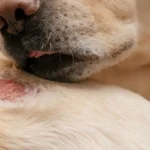
- A visible lump, mass, or ulceration on or under the tongue
- Persistent mouth sores that do not heal within two to three weeks
- Bleeding from the mouth or blood-tinged saliva
- Excessive drooling, sometimes with a foul odour
- Persistent bad breath that worsens over time or does not respond to dental care
- Difficulty picking up food, chewing, or swallowing
- Dropping food while eating or a preference for very soft food
- Pawing at the mouth or rubbing the face against surfaces
- Reduced appetite and progressive weight loss
- Swelling visible from outside the mouth, particularly under the chin or jaw
In rescue settings, tongue cancer in dogs is frequently presented at an advanced stage because the early signs are subtle and often attributed to dental disease. Making oral checks a regular part of grooming is one of the most valuable habits any pet parent can develop. Any sore or lump inside the mouth that persists beyond two weeks should always be assessed by a veterinarian.
Causes and Risk Factors
The exact cause of tongue cancer in dogs is not fully understood. Several factors are associated with an increased risk:
- Age: Tongue cancer and oral SCC are more commonly diagnosed in dogs above 8 to 10 years of age. The accumulation of cellular changes over time is thought to play a contributing role.
- Chronic oral inflammation: Persistent gingivitis, dental disease, or repeated irritation of the oral mucosa may increase the likelihood of abnormal squamous cell changes over time.
- Environmental exposure: Some studies suggest that exposure to second-hand tobacco smoke, urban air pollution, and certain chemical compounds may contribute to the development of oral SCC in dogs.
- Genetic susceptibility: Certain breeds including Golden Retrievers, Cocker Spaniels, and German Shepherds appear to be diagnosed with oral tumours more frequently, though tongue cancer can occur in any breed.
- Unknown factors: In many cases, no specific cause can be identified. Tongue cancer in dogs can develop in animals with excellent dental health and no known environmental risk factors.
Discovering tongue cancer in your dog is not a result of poor dental care or inattentive ownership. These tumours arise from biological processes that are beyond routine prevention.
Related Videos

How Veterinarians Diagnose Tongue Cancer
Accurate diagnosis is essential before any treatment decision is made. The diagnostic process for tongue cancer in dogs typically involves:
1. Oral Examination Under Sedation: A thorough examination of the entire mouth, tongue, and throat is conducted under sedation or general anaesthesia. This allows the vet to fully assess the size, location, and extent of the lesion without causing distress.
2. Biopsy: A tissue sample from the lesion is the only way to definitively confirm a diagnosis of squamous cell carcinoma. The sample is sent to a laboratory for histopathology, which identifies the cell type, confirms malignancy, and provides information about how aggressive the tumour is likely to be. Biopsy is always required before treatment begins.
3. Dental X-Rays and CT Scan: Imaging is used to assess whether the tumour has invaded the underlying tongue muscle, the floor of the mouth, or the jaw bone. A CT scan of the head and neck provides the most detailed picture of tumour extent and is particularly important for surgical planning.
4. Lymph Node Assessment: The lymph nodes under the jaw and in the neck are assessed by palpation and, if enlarged, by fine needle aspiration to check for spread of cancer cells.
5. Chest X-Rays: Lung X-rays are taken to check for distant metastasis, which can influence treatment decisions significantly.
6. Blood Tests: A full blood count and biochemistry panel assess overall health and readiness for any planned procedure or treatment.
Treatment Options for Tongue Cancer in Dogs
Treatment for tongue cancer in dogs depends on the tumour’s size, location, depth of invasion, and whether it has spread. The main options include:
1. Surgical Removal: Surgery is the primary treatment for tongue cancer in dogs when the tumour is localised. The procedure involves removing the tumour along with a margin of healthy tissue to reduce the risk of local recurrence. In some cases, a partial glossectomy (removal of a portion of the tongue) is required to achieve adequate margins.
Many pet parents are initially alarmed by the idea of partial tongue removal. However, dogs adapt to a reduced tongue with remarkable speed. Most dogs continue to eat, drink, and live comfortably after recovery, particularly when the front portion of the tongue is preserved.
2. Radiation Therapy: Used for tumours that cannot be fully removed surgically due to their size or location, or following surgery when margins are incomplete. Radiation can effectively control local disease and reduce the risk of recurrence.
3. Palliative Care: When curative treatment is not possible or is not the chosen path, palliative care focuses on pain management, soft diet support, anti-inflammatory medications, and maintaining the dog’s dignity and comfort for as long as possible.
4. Chemotherapy: Not typically the first-line treatment for tongue SCC in dogs, but may be considered in cases with spread to lymph nodes or distant organs as part of a multimodal approach.
Dogs managing tongue cancer and recovering from oral surgery often experience considerable anxiety, particularly around eating changes and veterinary visits. Maintaining a calm, consistent home environment provides meaningful support during this time. VOSD Anxiety Care is gently formulated to support dogs experiencing stress and unsettled behaviour. Always consult your vet before starting any supplement alongside active treatment.
Related Products

Prognosis and Life Expectancy
The prognosis for tongue cancer in dogs depends strongly on the stage of disease at the time of diagnosis and whether complete surgical removal is achievable:
Dogs with small, localised tongue tumours that are removed with clean, wide surgical margins have the most favourable outcomes. In these cases, long-term local control is achievable for many dogs, with some living for a year or more without recurrence following surgery.
Tumours that have already invaded deeply into the tongue musculature, reached the floor of the mouth, or spread to the regional lymph nodes are more difficult to manage. In these cases, a combination of surgery and radiation, or palliative care, is used to maintain comfort and quality of life.
Distant metastasis to the lungs is less common with tongue SCC than with some other oral cancers, but does occur in advanced cases. Regular follow-up imaging after treatment is important for monitoring.
Caring for a Dog with Tongue Cancer
Your day-to-day care makes a significant difference to how your dog feels during treatment and recovery:
- Offer soft or blended food: Dogs with tongue tumours or those recovering from oral surgery find soft, moist food much easier to manage. Ask your vet for specific dietary guidance based on your dog’s needs.
- Encourage hydration: Dogs with mouth discomfort may drink less. Offer water frequently and consider adding water to food to increase fluid intake.
- Follow oral hygiene guidance carefully: Your vet will advise on how to manage oral care around the lesion or surgical site. Never attempt to clean or disturb an active tumour or healing wound without specific veterinary instruction.
- Monitor eating and comfort closely: Note how much your dog is eating, whether they are losing weight, and whether they appear to be in discomfort during or after meals. Report changes to your vet promptly.
- Give all medications consistently: Pain relief and anti-inflammatory medications must be given on schedule to maintain their effectiveness.
- Keep follow-up appointments: Regular rechecks allow your vet to monitor healing and assess for any signs of recurrence.
When to See a Veterinarian
Contact your veterinarian promptly if you notice any of the following in your dog:
- A visible lump, ulcer, or discolouration on the tongue that has been present for more than two weeks
- Unexplained bleeding from the mouth
- Persistent and worsening bad breath
- Difficulty eating, dropping food, or reluctance to chew
- Excessive drooling or pawing at the mouth
- Progressive weight loss without a clear dietary cause
Tongue cancer in dogs is a serious condition, but one where the timing of diagnosis has a direct bearing on the outcomes that are possible. A small tongue lesion discovered during a routine grooming check is far more manageable than one that has grown silently for months. Make oral inspections part of your regular care routine, and always involve your veterinarian when something does not look or feel right. Early action is the greatest gift you can give your dog.
Compassionate Care for Dogs Facing Cancer
A diagnosis of tongue cancer does not mean the end of your dog’s happiness or comfort. With attentive care, the right veterinary guidance, and a focus on quality of life, many dogs continue to enjoy meaningful time with their families even after a serious oral cancer diagnosis. Whether the path ahead involves surgery, radiation, or palliative support, your presence and care are what matter most to your dog. Stay observant, ask questions, and trust your instincts as a pet parent.