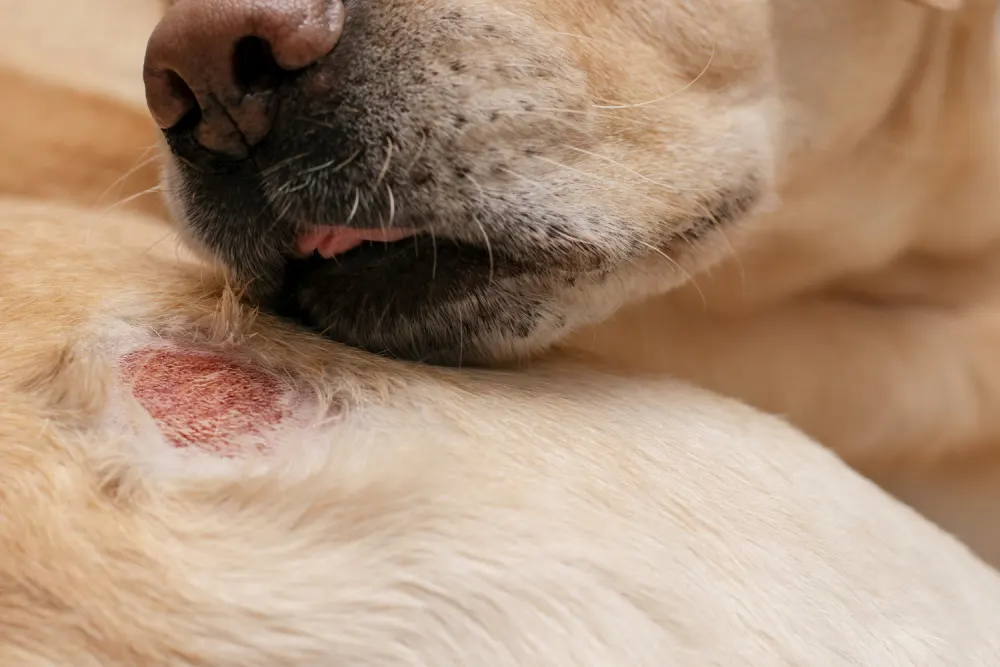

A swelling below your dog’s eye is not an eye problem. In most cases, it is a tooth infection.
Tooth root abscesses are one of the most painful and most frequently misidentified dental conditions in dogs. The infection forms deep beneath the gum line, at the tip of the tooth root, completely hidden from view. By the time a visible swelling appears on the face or jaw, the infection has been developing for some time, causing significant pain that most dogs have been silently managing without any outward sign of distress.
This is not a condition to monitor at home. It is a surgical problem that causes constant pain and carries a real risk of spreading to the surrounding bone and beyond if not treated promptly.
What Is a Tooth Root Abscess in Dogs?
A tooth root abscess is a localised pocket of infection that forms at the apex, the tip, of a tooth root. It develops when bacteria penetrate the inner structure of the tooth, travel down through the root canal, and establish infection in the tissue at the root tip beneath the gum line.
The infection triggers an immune response that produces pus, and as the pus accumulates under pressure in the confined space around the root tip, it creates the characteristic painful swelling associated with this condition. Because the abscess forms below the gum line and within the jawbone, it is entirely invisible during a routine visual examination of the mouth.
The carnassial tooth, the large upper fourth premolar, is the most commonly affected tooth in dogs. Its root sits directly beneath the skin below the eye, which is why a draining swelling in that region is so frequently the first visible sign that brings a pet parent to the vet.
Symptoms of Tooth Root Abscess in Dogs
The early signs of a tooth root abscess are subtle and easy to dismiss. The later signs are hard to miss, but by the time they appear, the infection is already well established.
Pain and Difficulty Eating
Dogs with an active tooth root abscess experience persistent, significant pain. This typically manifests as reluctance to chew, a preference for eating only on the opposite side of the mouth, dropping food, or a reduced interest in eating altogether. Dogs may approach the food bowl, begin eating, and then stop abruptly.
Facial Swelling
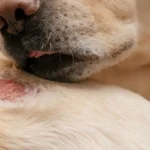
This is the clinical sign that most often prompts a veterinary visit. A firm or fluctuant swelling below the eye, along the jaw line, or occasionally forming an external draining tract onto the skin of the face, indicates that the abscess has expanded to the point where it is affecting the surrounding bone and soft tissue. This presentation requires urgent attention.
Bad Breath
The bacterial infection driving the abscess produces a foul oral odour that is typically more severe and more localised than ordinary dental halitosis. The smell reflects active infection rather than surface plaque accumulation.
Drooling and Pawing at the Mouth
Pain-related drooling and repeated pawing at the face or muzzle are behavioural indicators of oral discomfort. These signs are non-specific but in combination with any of the above point to a dental source.
Draining Wound or Pus
In advanced cases, the abscess may rupture and create a draining fistula, a small opening in the skin of the face through which pus discharges. This temporarily relieves the pressure of the abscess but does not resolve the underlying infection. A recurring or persistent draining wound on the face of a dog is a tooth root abscess until proven otherwise.
Fever and Lethargy
When infection begins to spread beyond the immediate site of the abscess into surrounding bone or systemic circulation, dogs develop fever, lethargy, reduced appetite, and a general decline in condition. These systemic signs indicate that the situation has moved beyond a localised dental problem.
Causes of Tooth Root Abscess in Dogs
Bacteria reach the tooth root through several pathways, all of which involve a breakdown in the normal protective barriers of the tooth or surrounding gum.
Tooth Fracture
This is the most common cause. When a tooth fractures deeply enough to expose the pulp chamber, the living core of the tooth containing blood vessels and nerves, bacteria gain direct access to the interior of the tooth. They travel down the root canal and establish infection at the root tip. As discussed in our guide to tooth fractures in dogs, fractures from chewing bones, antlers, and hard objects are the leading preventable cause of this pathway.
Periodontal Disease
Advanced periodontal gum disease in dogs creates deep pockets between the gum and tooth root where bacteria thrive. As the pocket deepens and the infection progresses along the root surface toward the root tip, abscess formation follows. This is sometimes called a periodontal abscess rather than a true endodontic abscess, though the clinical consequences are similar.
Severe Tartar Buildup
Significant tartar accumulation creates an environment where bacteria multiply aggressively at the gum line and begin tracking below it. Chronic, heavy tartar without professional dental cleaning is a direct risk factor for bacterial penetration that leads to root infection.
Trauma and Tooth Wear
Blunt trauma to the jaw, repetitive mechanical wear that exposes dentine, and tooth luxation from injury all compromise the tooth’s structural integrity and create pathways for bacterial entry. Even teeth without visible fractures can develop pulp death following concussive trauma, and dead teeth are vulnerable to internal bacterial colonisation.
Related Videos


How a Tooth Root Abscess Develops
The process follows a consistent sequence. Bacteria penetrate the tooth through a fracture, a deep periodontal pocket, or exposed dentine. They infect the pulp tissue, which dies in response to the bacterial invasion. The bacteria continue down the root canal to the apex, where they exit into the periapical tissue and establish infection in the bone surrounding the root tip.
The immune system responds by sending inflammatory cells and producing pus. The pus accumulates under pressure in the rigid confines of the bone, causing the intense, constant pain associated with abscess formation. As pressure builds, the infection expands, destroying adjacent bone and eventually tracking toward the surface, producing the swelling and, in some cases, the draining wound that finally makes the condition visible from the outside.
How Veterinarians Diagnose Tooth Root Abscess in Dogs
Oral and Clinical Examination
The veterinarian examines the mouth for visible fractures, gum recession, deep periodontal pockets, and signs of local pain on palpation of individual teeth. External examination assesses any facial swelling, draining tracts, or lymph node enlargement. Pain response when specific teeth are touched often helps localise the affected tooth.
Dental X-rays (Critical Step)
Dental radiographs are the definitive diagnostic tool. X-rays reveal the characteristic dark halo around the root tip that indicates periapical infection and bone destruction. Without radiographs, a tooth root abscess cannot be reliably confirmed or accurately assessed for treatment planning.
A tooth that appears externally normal can show significant periapical pathology on X-ray. Equally, a tooth with an obvious fracture may or may not have developed a root abscess, and X-ray confirms this definitively. No treatment decision for a suspected abscess should be made without radiographic assessment.
Treatment for Tooth Root Abscess in Dogs
This is a surgical condition. Antibiotics alone are not a cure. They can reduce the systemic signs of infection temporarily, but they cannot eliminate a walled-off abscess pocket or address the dead, infected tooth structure driving the infection. Without definitive treatment, the abscess will recur.
Tooth Extraction (Most Definitive Treatment)
Surgical extraction of the affected tooth under general anaesthesia is the most reliable and most commonly performed treatment. Removing the tooth eliminates the source of infection. The socket is cleaned, the surrounding infected tissue is addressed, and the site is closed or allowed to heal by the natural process, depending on the clinical situation.
Most dogs recover quickly and show a dramatic improvement in comfort within days of recovery. Many pet parents are surprised by how much brighter and more engaged their dog becomes after a chronically painful abscess has been resolved.
Root Canal Therapy
In cases where the tooth is functionally important and structurally sound enough to preserve, root canal therapy is an alternative to extraction. The infected pulp is removed, the canal is cleaned, shaped, and sealed, and the tooth is restored. A veterinary dental specialist performs this and is most appropriate for canine teeth and carnassial teeth, where preservation has a meaningful functional benefit.
Antibiotics and Pain Relief
Antibiotics and anti-inflammatory pain relief are prescribed as part of the treatment protocol, typically beginning before or immediately after the surgical procedure. They reduce the acute infection, manage post-operative inflammation, and keep the dog comfortable during healing. They are supportive measures, not standalone treatments.
Drainage of the Abscess
In cases of severe external swelling or an active draining fistula, the abscess may be drained and flushed as part of the initial management. This provides immediate relief from pressure pain but must be followed by definitive treatment of the tooth to prevent recurrence.
For a broader understanding of how abscesses form and behave throughout the body, our guide to abscesses in dogs provides useful context on why these infections do not resolve without intervention.
Related Products




Prognosis
The prognosis for a tooth root abscess treated appropriately and promptly is excellent. Most dogs recover fully from extraction or root canal therapy, and the resolution of the source of infection produces a complete return to normal eating and behaviour.
Delayed treatment carries progressively worse consequences. Infection that spreads into the jawbone causes osteomyelitis, a serious and difficult-to-treat bone infection. Systemic spread of oral bacteria to the kidneys, heart, and liver is a documented consequence of chronic, untreated dental infection. A condition that is straightforward to resolve when treated early becomes a significantly more complex medical problem when left to progress.
When to See a Veterinarian
Contact your veterinarian immediately if your dog shows any of the following:
- Any swelling on the face, below the eye, along the jaw, or on the muzzle
- A draining wound or moist area on the face that does not resolve
- Sudden reluctance to eat, chew, or pick up toys
- Pawing at the mouth alongside facial swelling or bad breath
- Fever, lethargy, or a general decline in condition
- Any suspected tooth fracture following chewing or trauma
Do not apply a wait-and-see approach to facial swelling in a dog. The cause is almost always a dental infection, and dental infections do not resolve without treatment.
Preventing Tooth Root Abscess in Dogs
Maintain Consistent Oral Hygiene
Regular brushing and professional dental cleaning at your veterinarian’s recommended intervals reduce the plaque and tartar accumulation that drives periodontal disease. Periodontal disease is one of the two primary pathways to abscess formation, and it is largely preventable.
Avoid Hard Chew Objects
Remove bones, antlers, rocks, and hard nylon chews from your dog’s chewing options. These objects generate the fracture forces that expose the pulp and create the most direct route to abscess formation. Choose veterinary-approved chews that yield under pressure and carry a dental health endorsement.