

Treating UTI in dogs is something many Indian pet parents find themselves navigating at some point, often without realising that is what they are dealing with. A dog that asks to go outside more frequently than usual, squats repeatedly without producing much urine, or leaves a small pink stain on the floor is showing signs that deserve attention rather than a wait-and-see approach. Urinary tract infections in dogs are common, manageable, and respond well to the right treatment when addressed promptly. The challenge is that they are also easy to underestimate, and infections that are only partially treated have a tendency to return, sometimes in a more complicated form. Understanding what a UTI involves, what causes it, and how to manage it fully is the most practical thing a pet parent can do for their dog’s urinary health.
What Is a UTI in Dogs?
A urinary tract infection, commonly called a UTI, is a bacterial infection affecting one or more parts of the urinary system. In most dogs, the infection is in the lower urinary tract, meaning the bladder and the urethra, the tube that carries urine out of the body. Bacteria, most commonly Escherichia coli and Staphylococcus species, travel up into the urinary tract and establish an infection that causes inflammation, discomfort, and changes in how the dog urinates.
A straightforward lower UTI is an uncomfortable but manageable condition. The risk arises when it is not treated fully, allowing bacteria to persist and potentially travel upward to the kidneys, where the infection becomes more serious and more difficult to clear. Treating UTI in dogs thoroughly the first time is the most reliable way to prevent this progression.
Symptoms of UTI in Dogs
The symptoms of a UTI in dogs are usually noticeable once a pet parent knows what to look for. The key signs include:
- Frequent requests to go outside, or frequent squatting, producing only small amounts of urine each time
- Visible straining or discomfort during urination
- Blood in the urine, which may appear as a pink or reddish tinge and is sometimes only visible on a pale surface or tile floor
- Persistent licking of the genital area, often more than the dog’s usual grooming behaviour
- Urinating indoors in a house-trained dog, caused by urgency that cannot be held until the next walk
- Restlessness at night, repeated position changes, or an inability to settle comfortably
- A strong or unusual smell from the urine
In mild cases, the dog may remain otherwise alert and continue eating normally. In more significant infections, reduced appetite and mild lethargy may also be present.
Causes of UTI in Dogs
Understanding what causes a UTI helps explain both why certain dogs are more prone to them and what preventive steps are most effective.
1. Bacterial Infection
The vast majority of UTIs in dogs are caused by bacteria that enter the urinary tract from the external environment, typically travelling up through the urethra into the bladder. Female dogs are significantly more prone to UTIs than males because their shorter urethra provides a shorter path for bacteria to travel. This is one of the most consistent patterns seen in both household pets and rescue dogs in India.
2. Poor Hygiene and Contaminated Environments
Dogs that spend time in contaminated environments, lie in wet or soiled bedding, or have long coats around the genital area that trap moisture and bacteria are at higher risk. In rescue settings and for dogs that spend significant time outdoors in India, these factors are common.
3. Holding Urine for Extended Periods
Dogs that are not given regular opportunities to urinate hold urine in the bladder for longer than is ideal. Concentrated urine that sits in the bladder for extended periods provides a more favourable environment for bacterial growth and reduces the natural flushing action that helps keep the urinary tract clear.
4. Contaminated Drinking Water
Dogs that drink from stagnant puddles, open tanks, or other contaminated water sources have a higher bacterial exposure that can contribute to urinary infections, particularly in combination with other risk factors.
5. Underlying Health Conditions
Diabetes mellitus, bladder stones, hormonal disorders, and chronic kidney disease all create conditions that make UTIs more likely or harder to clear. A dog with recurrent UTIs, meaning more than two or three per year, should be investigated for an underlying condition that is perpetuating the infections.
Related Videos


How Vets Diagnose a UTI in Dogs
Diagnosing a UTI in dogs accurately is important both for confirming that the symptoms are indeed caused by a urinary infection and for identifying the specific bacteria involved so that the most effective antibiotic can be chosen.
| Diagnostic Test | What It Shows | When It Is Used |
|---|---|---|
| Urinalysis (dipstick and sediment) | Bacteria, white blood cells, blood, crystals, pH | First-line test for any dog showing urinary symptoms |
| Urine culture and sensitivity | Specific bacteria and effective antibiotics | Recommended for all UTIs; essential for recurrent cases |
| X-ray or ultrasound | Bladder stones, structural abnormalities | Used when symptoms do not resolve or when recurrence is a concern |
| Blood panel | Kidney function, blood glucose, overall health | Recommended when underlying conditions are suspected |
A urine sample collected at home on the morning of the vet visit, in a clean container, provides the freshest and most reliable results. The mid-stream portion of the urine is the most useful. If collecting at home is not possible, the vet can collect a sample at the clinic.
Treating UTI in Dogs: What the Process Involves
Treating UTI in dogs successfully requires the right antibiotic for the right duration, combined with supportive measures to help the dog’s urinary tract heal and recover.
Antibiotics
Antibiotics are the primary treatment for a bacterial UTI. The specific antibiotic used should ideally be selected on the basis of a urine culture and sensitivity result, which identifies which bacteria are causing the infection and which antibiotics are effective against them. Using the wrong antibiotic because a culture was not performed is one of the most common reasons UTIs recur.
A standard uncomplicated UTI is typically treated for seven to fourteen days. Completing the full course is essential, even when the dog appears to have improved after the first few days. Stopping antibiotics early leaves residual bacteria in the urinary tract, which can re-establish the infection within days to weeks.
Pain Relief and Anti-Inflammatory Medication
Where the dog is showing obvious discomfort, the vet may prescribe short-term pain relief or an anti-inflammatory medication to reduce bladder inflammation and make the dog more comfortable while the antibiotics take effect.
Increased Fluid Intake
Encouraging the dog to drink more water supports treating UTI in dogs by diluting the urine and flushing bacteria more effectively through the urinary tract. Wet food, additional water bowls, and water fountains all help increase intake during the recovery period.
Home Care During Recovery
Consistent home care during and after antibiotic treatment supports a full recovery and reduces the chance of the infection returning:
- Always ensure fresh, clean water is available. Hydration is one of the most practical tools available for supporting urinary health during recovery
- Take the dog outside for more frequent short walks to encourage regular urination. Passing urine frequently helps flush bacteria from the bladder
- Keep the genital area clean and dry, particularly in female dogs or dogs with long coats. A gentle wipe with a clean damp cloth after walks in dusty or soiled areas reduces bacterial contamination
- Give every antibiotic dose at the correct time and do not skip doses or stop early. Consistent blood levels of the antibiotic are needed to fully eliminate the infection
- Monitor the urine daily for any return of blood, cloudiness, or unusual smell, and contact the vet if symptoms return before the course is complete
- Keep bedding clean and dry. A dog sleeping on damp or soiled bedding is re-exposing the genital area to bacteria throughout the treatment period
How Long Does Recovery Take?
Most dogs show noticeable improvement within two to three days of starting the correct antibiotic. Full clinical recovery, meaning the complete resolution of symptoms, typically occurs within one to two weeks for an uncomplicated lower UTI. A follow-up urine test at the end of the antibiotic course is the most reliable way to confirm that the infection has been fully cleared rather than simply suppressed.
Dogs that do not improve within three to four days of starting treatment, or whose symptoms return shortly after finishing the antibiotic course, should be reassessed. This pattern usually indicates either that the antibiotic chosen is not effective against the bacteria present, or that an underlying condition is perpetuating the infection.
When a UTI Is More Than a Simple Infection
Not every case of treating UTI in dogs is straightforward. Warning signs that the situation may be more complex include:
- More than two or three UTIs in a twelve-month period, which suggests an underlying predisposing condition
- Fever, significant lethargy, or loss of appetite alongside urinary symptoms, which may indicate the infection has spread to the kidneys
- Failure to improve after several days of antibiotic treatment
- Blood in the urine that persists after the infection appears to have resolved
Any of these patterns warrants further investigation, including a urine culture if one has not been performed, and additional imaging or blood tests to look for underlying causes.
When a UTI Is an Emergency
Seek immediate veterinary attention if your dog shows any of the following:
- Complete inability to urinate despite repeated attempts
- A visibly distended, hard, or painful abdomen
- Vomiting combined with straining and extreme restlessness
- Sudden collapse or severe weakness
A dog that cannot pass urine at all has a urinary obstruction, not a simple UTI. This is a life-threatening emergency that requires same-day veterinary care.
Prevention: Reducing the Risk of UTIs in Dogs
Several practical steps meaningfully reduce how often UTIs occur, particularly in dogs that have had them before:
- Provide clean, fresh water at all times and encourage regular drinking. A well-hydrated dog produces more dilute urine, which is less hospitable to bacterial growth
- Ensure the dog has regular opportunities to urinate throughout the day. Holding urine for long periods concentrates bacteria in the bladder
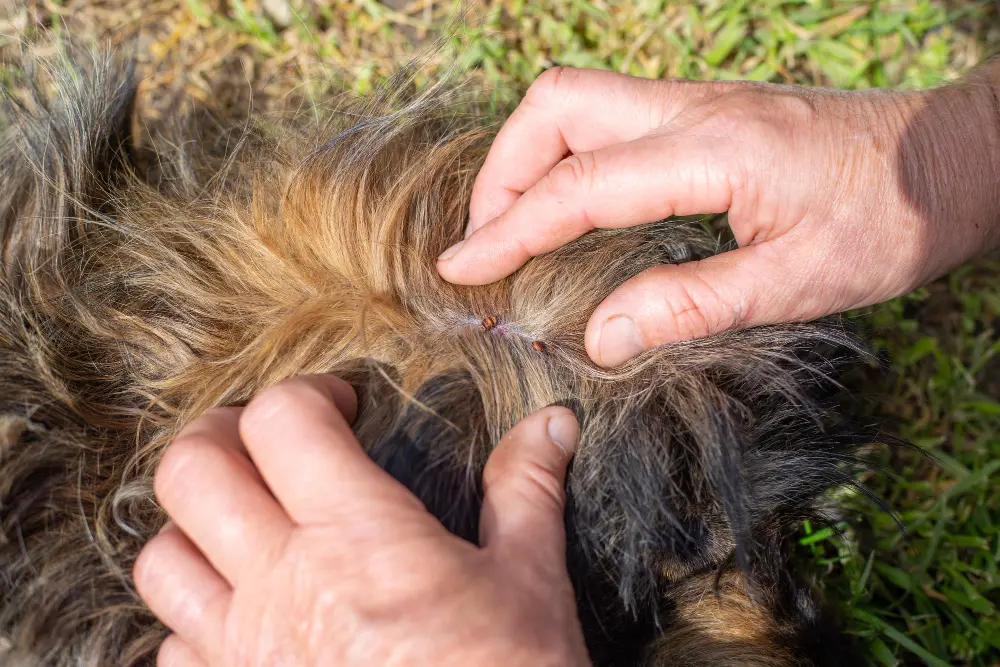
- Use tick prevention consistently, as tick-borne illnesses weaken immunity and increase vulnerability to bacterial infections including UTIs
- Keep the genital area clean, particularly in female dogs with long coats or dogs that spend time in outdoor or soiled environments
- Complete every antibiotic course fully and schedule a follow-up urine test to confirm resolution before stopping treatment
- For dogs with recurrent UTIs, discuss annual or twice-yearly urine screening with the vet to catch new infections early
Related Products


Treating UTI in dogs effectively is not complicated, but it does require completing the full course of the right antibiotic, giving the dog consistent support at home, and confirming through a follow-up urine test that the infection has been fully cleared. The dogs that develop repeated infections or complications are almost always those whose initial infections were not treated to full resolution. For pet parents in India, where UTIs are a common presentation, this is one of the most practical and directly actionable pieces of veterinary guidance available: take every urinary infection seriously, treat it completely, and confirm that it is gone before moving on.