Canine distemper is one of the most serious and potentially fatal viral diseases affecting dogs worldwide. Caused by a highly contagious virus, distemper in dogs can spread rapidly between animals, making early detection and prompt veterinary care absolutely essential. The distemper virus in dogs attacks multiple body systems, including the respiratory, gastrointestinal, and nervous systems, often leading to devastating consequences if left untreated.
Whether you are a first-time dog owner or an experienced pet parent, understanding the signs of canine distemper could save your dog’s life. This guide covers everything you need to know: from what distemper is and how it spreads, to symptoms, diagnosis, treatment options, and prevention strategies. Early action truly makes the difference between recovery and tragedy.
What is Canine Distemper?
Canine distemper is a severe, systemic viral infection caused by the Canine Distemper Virus (CDV), a member of the Paramyxoviridae family closely related to the measles and rinderpest viruses. CDV in dogs is not a localized illness; it is a multi-systemic disease that simultaneously attacks the respiratory tract, the gastrointestinal system, and the central nervous system, making it particularly dangerous and difficult to manage.
The virus spreads primarily through direct contact with infected animals or through airborne transmission via respiratory secretions such as sneezing and coughing. It can also be transmitted through shared food bowls, bedding, and contaminated surfaces. Puppies and young dogs with incomplete vaccination histories are especially vulnerable, though unvaccinated dogs of any age are at serious risk.
Beyond dogs, CDV also affects other wildlife, including ferrets, raccoons, foxes, and wolves. There is no single cure for canine distemper, which makes prevention through timely vaccination the most important tool available to dog owners and veterinarians alike.
Causes of Canine Distemper
Canine distemper is caused exclusively by the Canine Distemper Virus (CDV). Dogs get distemper through the following transmission routes:
- Direct contact with infected dogs: Sneezing, coughing, or physical contact with an infected animal is the most common route of transmission.
- Contaminated food and water: Sharing bowls or eating areas with an infected dog can spread the virus.
- Infected urine, feces, and bodily secretions: These can remain infectious in the environment for short periods.
- High-risk environments: Animal shelters, kennels, dog parks, and areas with high stray dog populations increase the risk of exposure significantly.
- Contact with infected wildlife: Raccoons, foxes, and other wild animals can serve as reservoirs for CDV.
Unvaccinated puppies between 3 and 6 months of age are the most susceptible, as maternal antibodies wane before complete vaccination is achieved.
Symptoms of Canine Distemper
The signs of canine distemper typically appear 3 to 6 days after exposure and progress in distinct stages. Recognizing these symptoms early can significantly improve the chances of survival.
Respiratory Symptoms:
- Watery or pus-like discharge from the nose and eyes
- Persistent coughing and sneezing
- Labored or difficult breathing
Gastrointestinal Symptoms:
- Vomiting and diarrhea (sometimes bloody)
- Loss of appetite and significant weight loss
- Severe dehydration
Neurological Symptoms (Advanced Stage):
- Seizures and convulsions
- Muscle twitching or “chewing gum” seizures
- Loss of balance and coordination (ataxia)
- Partial or full paralysis
- Hardening of paw pads and nose (hyperkeratosis)
Early vs Late Stage Distemper Symptoms
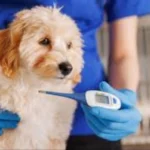
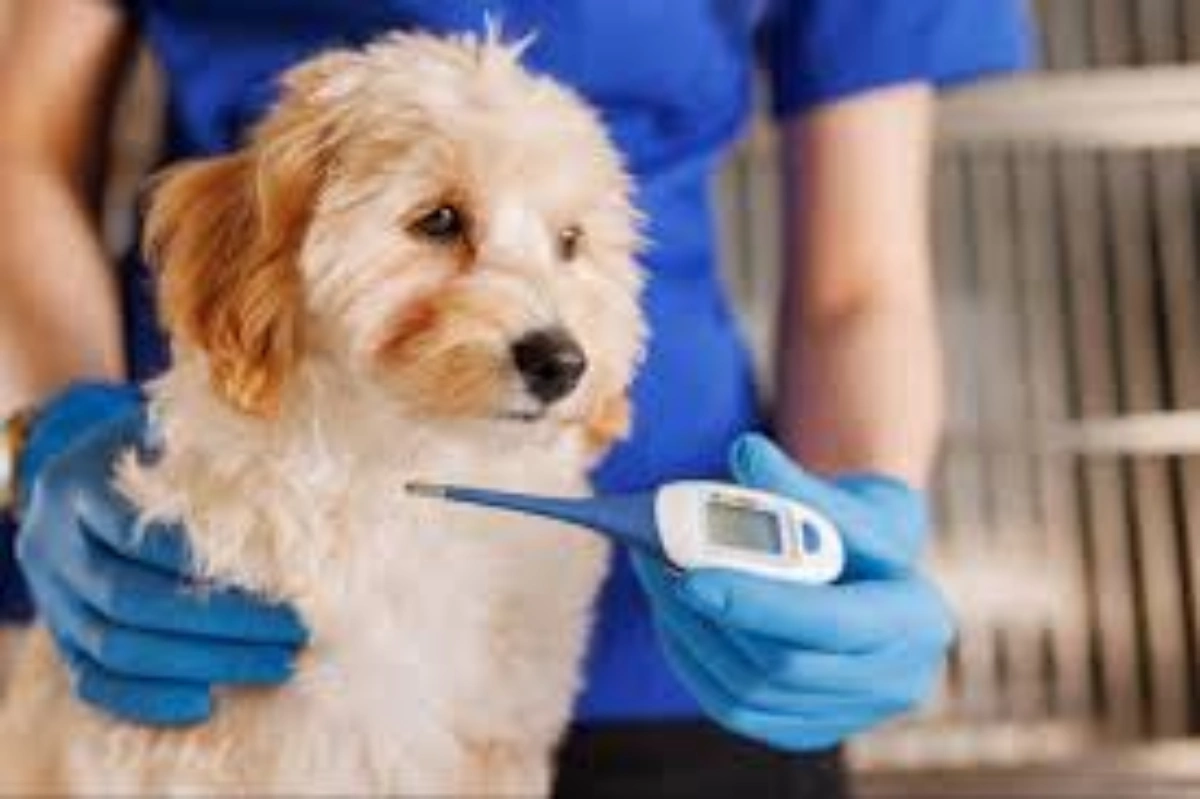
Early stage symptoms (first 1-2 weeks) include high fever (above 103.5°F/39.7°C), nasal and eye discharge, mild lethargy, and loss of appetite. At this stage, the dog may appear to recover briefly before declining again, a deceptive “false recovery” that often misleads owners.
Late-stage symptoms are far more serious and indicate neurological involvement: seizures, uncontrollable muscle spasms, paralysis, and loss of consciousness. At this stage, permanent brain damage is possible even if the dog survives. Any sign of neurological symptoms demands immediate emergency veterinary attention without delay.
Related Videos


Diagnosis of Canine Distemper
Diagnosing canine distemper can be challenging because its early symptoms closely mimic other common illnesses such as kennel cough, parvovirus, or pneumonia. Veterinarians use a combination of clinical observation and laboratory testing to reach a definitive diagnosis.
Common diagnostic methods include:
- Clinical examination: Fever, characteristic nasal/ocular discharge, and neurological signs provide strong initial indicators.
- PCR (Polymerase Chain Reaction) tests: The most accurate method, detecting CDV genetic material from nasal swabs, conjunctival swabs, or urine samples.
- Blood tests: A complete blood count (CBC) often reveals lymphopenia (low white blood cell count), which is characteristic of distemper infection.
- CSF analysis: Cerebrospinal fluid analysis may be used in advanced neurological cases.
- Antibody titer testing: To assess immune response, though less reliable in early stages.
Early diagnosis is difficult because viral loads may be low during initial infection. If distemper is suspected, immediate veterinary consultation is critical; do not wait for symptoms to worsen.
Treatment of Canine Distemper
There is currently no specific antiviral cure for canine distemper. Treatment focuses on supportive care, managing symptoms, preventing secondary infections, and keeping the dog’s body strong enough to fight the virus. All distemper treatment must be carried out under veterinary supervision.
Core treatment approaches include:
- Intravenous (IV) fluid therapy: Essential to combat dehydration caused by vomiting and diarrhea, and to maintain electrolyte balance.
- Antibiotics: While antibiotics do not fight the virus itself, they are used to prevent or treat secondary bacterial infections that commonly arise when the immune system is compromised.
- Anticonvulsants: Medications such as phenobarbital or diazepam are prescribed to control seizures in neurologically affected dogs.
- Anti-nausea and anti-diarrheal medications: To reduce gastrointestinal distress and improve comfort.
- Nutritional support: High-calorie, easily digestible food or feeding tubes may be used if the dog refuses to eat.
- Respiratory therapy: Nebulization and bronchodilators may help in cases with severe respiratory involvement.
The duration of hospital treatment varies from days to weeks, depending on severity. Neurological symptoms may require long-term management even after the acute phase resolves. Never attempt to treat canine distemper at home without veterinary guidance.
Home Care & Supportive Treatment
Once your dog is stable and discharged from the veterinary hospital, continued supportive home care is vital. Follow all veterinary instructions precisely and never replace prescribed treatment with home remedies.
Home care tips for dogs recovering from distemper:
- Hydration: Encourage frequent water intake. Offer electrolyte solutions recommended by your vet if the dog is reluctant to drink.
- Nutrition: Offer soft, easily digestible, high-protein foods in small, frequent meals to rebuild strength.
- Strict isolation: Keep your recovering dog away from all other pets to prevent transmission.
- Hygiene: Regularly clean and disinfect your dog’s bedding, food bowls, and living area using a diluted bleach solution.
- Warmth and rest: Ensure your dog has a warm, quiet, stress-free environment to rest and recover.
- Regular follow-ups: Attend all scheduled veterinary rechecks; recovery monitoring is crucial.
Prognosis & Recovery Chances
The distemper survival rate varies considerably based on several factors: the dog’s age, overall health, vaccination history, and most critically, the stage at which treatment begins. Puppies and immunocompromised dogs face the highest risk of fatality.
Dogs that receive prompt treatment during the early respiratory phase have a fair chance of recovery. However, once neurological symptoms develop, the prognosis becomes significantly guarded. Even dogs that survive may be left with permanent neurological damage such as recurrent seizures, muscle twitching, or coordination problems.
Adult dogs with strong immune systems and prior partial vaccination sometimes recover fully. Recovery from canine distemper is possible, but it requires aggressive veterinary care, dedicated home management, and patience, often over several weeks to months.
Prevention of Canine Distemper
Vaccination is the single most effective way to prevent canine distemper. The distemper vaccine for dogs is part of the core DHPP (Distemper, Hepatitis, Parvovirus, Parainfluenza) combination vaccine, widely available at veterinary clinics across India and worldwide.
Key prevention strategies:
- Vaccinate on schedule: Start vaccinations early and follow booster schedules strictly as recommended by your vet.
- Avoid contact with unknown or stray dogs: Especially for young puppies whose vaccine series is incomplete.
- Maintain hygiene: Regularly disinfect your dog’s food bowls, toys, and living areas.
- Limit wildlife exposure: Keep your dog away from areas where infected wildlife may be present.
- Isolate new pets: Before introducing a new dog to your home, ensure they are vaccinated and healthy.
Do not delay vaccination; it is your dog’s best and most reliable protection against this deadly disease.
Vaccination Schedule for Canine Distemper
The general puppy vaccination schedule for distemper (DHPP) is as follows:
- 6-8 weeks: First DHPP dose
- 10-12 weeks: Second DHPP dose
- 14-16 weeks: Third DHPP dose
- 12-16 months: Booster dose
- Every 1-3 years: Adult boosters (as advised by your vet)
Always consult your veterinarian for a vaccination plan tailored to your dog’s age, breed, lifestyle, and local disease prevalence.
Can Humans Get Canine Distemper?
No, canine distemper is not contagious to humans. The Canine Distemper Virus (CDV) is species-specific and does not infect people. You cannot contract distemper from your dog, even through close physical contact. There is no zoonotic risk associated with this disease.
This means you can safely care for your sick dog, handling them, cleaning their living space, and providing comfort, without any personal health risk. While CDV does not affect humans, remember to practice good hygiene to prevent other bacterial infections that may arise in immunocompromised dogs.
When to See a Vet
Contact your veterinarian immediately if your dog shows any of the following warning signs:
- Persistent high fever (above 103.5°F / 39.7°C)
- Thick nasal or eye discharge
- Sudden loss of appetite or refusal to drink water
- Unexplained lethargy or extreme weakness
- Vomiting or diarrhea lasting more than 24 hours
- Any seizures, muscle twitching, or loss of coordination
- Hardening of the nose or paw pads
Do not wait for symptoms to resolve on their own. Early veterinary intervention is the most critical factor in improving your dog’s chances of recovery.