Most dog owners have been there, your dog skips a meal, has loose motions, or brings up their food, and you find yourself wondering what went wrong. An upset stomach in dogs is one of the most common health concerns pet parents deal with, and in most mild cases it resolves on its own with a little care and rest. That said, knowing when to act and when to simply observe can make a real difference to how quickly your dog recovers.
What Does an Upset Stomach Mean in Dogs?
The term upset stomach in dogs is a broad one. It refers to any mild digestive disturbance that causes discomfort in the gastrointestinal tract. This includes occasional vomiting, loose stools, flatulence, bloating, or a temporary loss of appetite. It is not a diagnosis in itself, but rather a general description of how a dog’s digestive system responds to something it did not agree with.
An upset stomach is different from a serious gastrointestinal illness. In most cases, the dog remains reasonably alert and active, and symptoms improve within one to two days. If symptoms persist beyond that or your dog seems genuinely unwell, it is time to involve your vet.
Common Symptoms of an Upset Stomach in Dogs
The signs of an upset stomach in dogs are usually easy to spot during your daily routine with them. Here is what to look for:
- Occasional vomiting, often just once or twice
- Loose stools or mild diarrhoea
- Loss of appetite or reluctance to eat at mealtimes
- Mild lethargy or reduced energy
- Visible bloating or a rounded abdomen
- Audible gurgling sounds from the stomach
- Excessive gas or flatulence
- Eating grass, which dogs often do when they feel nauseous
When you notice these signs, take a moment to think about what your dog has eaten in the past twelve to twenty-four hours. Any new food, table scraps, or outdoor scavenging is worth noting and sharing with your vet if you need to call in.
Mild vs Concerning: How to Tell the Difference
Not every episode of digestive upset needs a vet visit. Here is a simple guide to help you assess what you are dealing with:
| Feature | Mild Upset Stomach | Concerning Symptoms |
|---|---|---|
| Energy level | Mostly alert and responsive | Weak, dull, or unresponsive |
| Vomiting | Once or twice, then stops | Repeated over several hours |
| Stools | Loose but no blood | Blood present, or watery and frequent |
| Appetite | Reduced but some interest in food | Completely refusing food and water |
| Duration | Improves within 24 hours | Persists beyond 24 to 48 hours |
| Hydration | Drinking water normally | Dry gums, sunken eyes, skin not springing back |
If your dog falls into the concerning column in more than one area, contact your vet rather than waiting to see how things develop.
Causes of Upset Stomach in Dogs
There are many reasons a dog might develop an upset stomach. In India, several causes are particularly common given the local environment and lifestyle.
- Dietary indiscretion: This is the most frequent cause. Dogs that scavenge from bins, eat street food leftovers, or find something on a walk can easily upset their digestive system. Even a well-meaning treat of oily or spiced home food can trigger symptoms.
- Sudden change in diet: Switching your dog’s food too quickly, even from one good-quality brand to another, can cause digestive upset. Any dietary transition should happen gradually over seven to ten days.
- Infections: Bacterial or viral infections can cause vomiting and diarrhoea, sometimes alongside fever and lethargy. These cases typically need veterinary assessment.
- Intestinal parasites: Worms are extremely common in Indian dogs, particularly in puppies and rescued strays. A significant parasite burden can cause ongoing digestive disturbance including an upset stomach.
- Heat and dehydration: During India’s hot months, dogs can suffer mild heat-related digestive upset if they are not kept cool and well-hydrated. This is particularly true for dogs exercised during peak afternoon heat.
- Stress and anxiety: A change in environment, travel, new animals in the house, or loud events such as festivals and fireworks can trigger a stress response that affects the gut, leading to temporary digestive upset.
- Milk and dairy: Many Indian pet parents offer milk as a treat, but most adult dogs are lactose intolerant to some degree. Even small amounts can cause gas, bloating, and loose stools.
Related Videos


When Should You Worry About an Upset Stomach in Dogs?
Most mild stomach upsets settle within a day or two with simple care. The key is to watch your dog’s energy levels and hydration throughout. You should contact your vet promptly if:
- Vomiting or diarrhoea continues for more than twenty-four hours
- There is blood in the vomit or stool
- Your dog is refusing to drink water
- Your dog seems weak, confused, or unable to stand properly
- A puppy or senior dog is affected, as both are more vulnerable to dehydration
- The abdomen appears swollen or your dog reacts painfully when touched there
- Symptoms improve briefly and then return
An upset stomach in dogs that keeps coming back over days or weeks is no longer an isolated incident. That pattern needs veterinary investigation to rule out a deeper cause.
Diagnosis: What a Vet May Check
If you bring your dog in for an upset stomach, your vet will begin with a physical examination to assess hydration, abdominal tenderness, and overall condition. They will ask about recent diet, any known exposure to toxins or unusual food, and how long symptoms have been present.
Depending on what they find, they may recommend:
- A stool test to check for parasites
- Blood tests if organ involvement or infection is suspected
- An ultrasound or X-ray if there is concern about a blockage or structural issue
For a straightforward mild case, the physical exam and history alone may be enough to guide treatment without the need for extensive testing.
Home Care for a Mild Upset Stomach in Dogs
If your dog’s symptoms are mild and they are still alert and drinking water, there is a great deal you can do at home to support recovery. These steps are appropriate for mild, isolated cases only.
- Offer a short fasting period: Withholding food for eight to twelve hours gives the digestive system a chance to settle. This is suitable for adult dogs only. Do not fast puppies or senior dogs without veterinary advice.
- Keep water available at all times: Hydration is essential. Offer small amounts frequently rather than allowing your dog to gulp large amounts at once, which can worsen nausea.
- Introduce a bland diet: After the fasting period, offer plain boiled rice with a small amount of boiled chicken. Some Indian pet parents use plain curd rice, which can also be gentle on the stomach. Offer small portions every few hours rather than one large meal.
- Transition back to normal food gradually: Once your dog has been stable for twenty-four hours, begin mixing their regular food with the bland diet over two to three days before returning fully to their normal meals.
- Avoid giving human medications: Do not offer antacids, anti-diarrhoeal tablets, or painkillers meant for people. Many are harmful to dogs. Only give medication prescribed or approved by your vet.
Treatment Options for Upset Stomach in Dogs
When home care is not enough or the cause requires more than rest and a bland diet, your vet may recommend the following:
- Oral or intravenous fluids: If your dog is dehydrated, fluids are the priority. Mild dehydration may be managed with oral rehydration under veterinary guidance, while more severe cases need fluids administered at the clinic.
- Probiotics: These can help restore the healthy balance of gut bacteria, particularly after a bout of diarrhoea or following a course of antibiotics. Your vet can recommend a dog-appropriate probiotic product.
- Deworming: If parasites are identified or suspected, appropriate deworming treatment will be prescribed. This should also be followed up with a regular deworming schedule going forward.
- Antiemetics or antacids: If vomiting is significant or the stomach lining appears irritated, medications to settle nausea and reduce acid may be prescribed.
- Antibiotics: Only prescribed if a bacterial infection is confirmed. Avoid requesting antibiotics without a diagnosis, as unnecessary use can disrupt gut flora and cause further issues.
Prognosis and Recovery
Most cases of upset stomach in dogs resolve well within one to three days with appropriate rest and a bland diet. Once your dog has been symptom-free for twenty-four hours and is eating and drinking normally, you can gradually return to their regular routine and diet.
Keep an eye on your dog for a few days after recovery. If symptoms return or your dog does not seem quite back to normal energy levels, it is worth checking in with your vet to rule out an underlying cause that the initial episode may have masked.
Prevention Tips for Indian Pet Parents
There is no guaranteed way to prevent every episode of digestive upset, but these practical steps go a long way:
- Keep dustbins secured and prevent your dog from scavenging outdoors or near food stalls
- Maintain a consistent diet and avoid frequent food changes without a gradual transition period
- Do not feed oily, spiced, or heavily salted home food, even as an occasional treat
- Avoid giving milk to adult dogs unless your vet has confirmed they tolerate it well
- Ensure clean, fresh water is always available, particularly during hot weather
- Follow a regular deworming schedule appropriate for your dog’s age, weight, and lifestyle
- During stressful events such as Diwali or travel, consider speaking to your vet in advance about managing stress-related digestive sensitivity
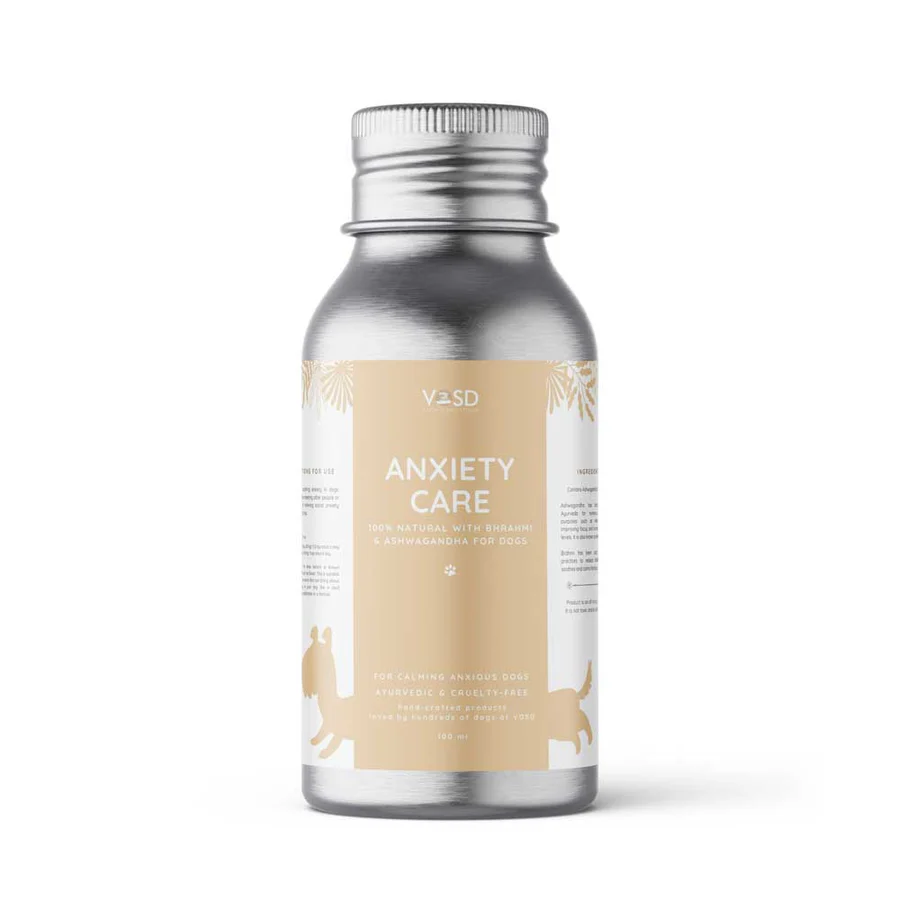
Supporting your dog’s overall wellbeing also means keeping stress levels manageable. Dogs that experience anxiety due to loud noises, separation, or environmental changes can experience digestive upset as a result. VOSD Anxiety Care is designed to support dogs through stressful periods and may help reduce anxiety-related digestive sensitivity. Always speak to your vet before introducing any new supplement to your dog’s routine.