Imagine your dog is resting quietly, and then suddenly collapses without warning. There is no pulse. They are unresponsive. In those moments, knowing what you are dealing with and acting immediately can genuinely make the difference between life and loss.
Ventricular standstill in dogs is one of the most serious heart rhythm conditions a dog can experience. It is a situation where the ventricles, the main pumping chambers of the heart, stop contracting. When the ventricles stop, blood stops moving. Every second counts.
This guide is not meant to alarm you. It is meant to help you understand ventricular standstill in dogs well enough to recognise it, respond correctly, and work with your vet to give your dog the best possible chance. Early recognition genuinely does save lives.
What Is Ventricular Standstill in Dogs?
Ventricular standstill, also called ventricular asystole, is a condition in which the ventricles of the heart produce no effective contractions. In some cases, electrical activity may still be present, but it fails to trigger any actual mechanical pumping. In other cases, electrical activity has ceased entirely. Either way, the result is the same: no blood is being pumped from the heart to the lungs or the rest of the body.
It is important to understand the difference between electrical activity and mechanical function in the heart. The heart’s electrical system sends signals that tell the muscle to contract. Ventricular standstill occurs when this system breaks down so severely that those signals either stop being sent, stop being received, or stop producing any response from the ventricles.
This is distinct from a brief fainting episode or a run of slow heartbeats. Ventricular standstill in dogs is a life-threatening emergency that requires immediate veterinary intervention.
How the Heart Normally Works
In a healthy dog, the heart’s electrical signal begins at the sinoatrial (SA) node, the heart’s natural pacemaker, located in the right atrium. This signal travels through the atria and then passes to the atrioventricular (AV) node, which acts as a controlled gateway between the upper and lower chambers. From there, it travels through specialised conduction pathways into the ventricles, triggering a coordinated contraction that pumps blood outward.
This sequence repeats reliably, thousands of times every day, keeping blood flowing continuously to every organ and tissue in the body.
What Happens During Ventricular Standstill
During ventricular standstill, this carefully coordinated sequence breaks down at a critical point. The ventricles fail to receive an effective electrical signal, or they fail to respond to one. Without contraction, the ventricles remain still. No blood is ejected. The circulation stops.
In a dog experiencing ventricular standstill, the consequences are almost immediate: loss of consciousness, collapse, absent pulse, and absent or barely detectable breathing. Without rapid restoration of circulation, organ damage begins within minutes.
Symptoms of Ventricular Standstill in Dogs
The symptoms of ventricular standstill in dogs are among the most severe of any cardiac condition. Because the heart is no longer pumping blood, the signs appear rapidly and are immediately serious.
Signs to recognise include:
- Sudden collapse or loss of consciousness with no obvious preceding cause
- Absence of a palpable pulse when the inner thigh (femoral artery) is gently pressed
- Absent or very slow heartbeat, confirmed when placing a hand on the chest
- Pale, grey, or blue-tinged gums indicating absent oxygen delivery
- Unresponsiveness or extreme limpness
- Absent or irregular breathing
- Episodes of weakness or fainting that precede a full collapse, in cases where standstill is intermittent
It is worth knowing that in some dogs, ventricular standstill begins as brief, intermittent episodes rather than a sustained event. A dog may faint momentarily and then apparently recover. These episodes should never be dismissed as simple tiredness or overheating. Any episode of unexplained collapse or fainting in a dog requires urgent veterinary evaluation.
When to Seek Immediate Help
If your dog collapses suddenly and has no pulse, is unresponsive, or has absent or very abnormal breathing, this is an emergency. Do not wait. Do not look for home remedies. Keep your dog as still and calm as possible, minimise handling, and get to a veterinary clinic immediately. Call ahead if you can, so the team is prepared when you arrive. There is no safe window of time to observe and wait with a suspected ventricular standstill.
Causes of Ventricular Standstill in Dogs
Several different conditions can trigger ventricular standstill in dogs. Understanding the cause matters because it directly shapes the treatment approach and the long-term management plan.
| Cause Category | Examples and Details |
|---|---|
| Advanced AV block | Complete third-degree AV block where no signals pass from atria to ventricles |
| Electrolyte imbalances | Severely elevated potassium (hyperkalaemia) from kidney failure, Addison’s disease, or urethral obstruction |
| Drug toxicity | Overdose or adverse reactions to cardiac medications, anaesthetic agents, or certain toxins |
| Severe heart disease | End-stage cardiomyopathy or other advanced structural cardiac disease |
| Vagal stimulation | Excessive stimulation of the vagus nerve, occasionally triggered by vomiting, gastrointestinal distension, or certain procedures |
| Systemic illness | Severe sepsis, hypothermia, or profound metabolic disturbance |
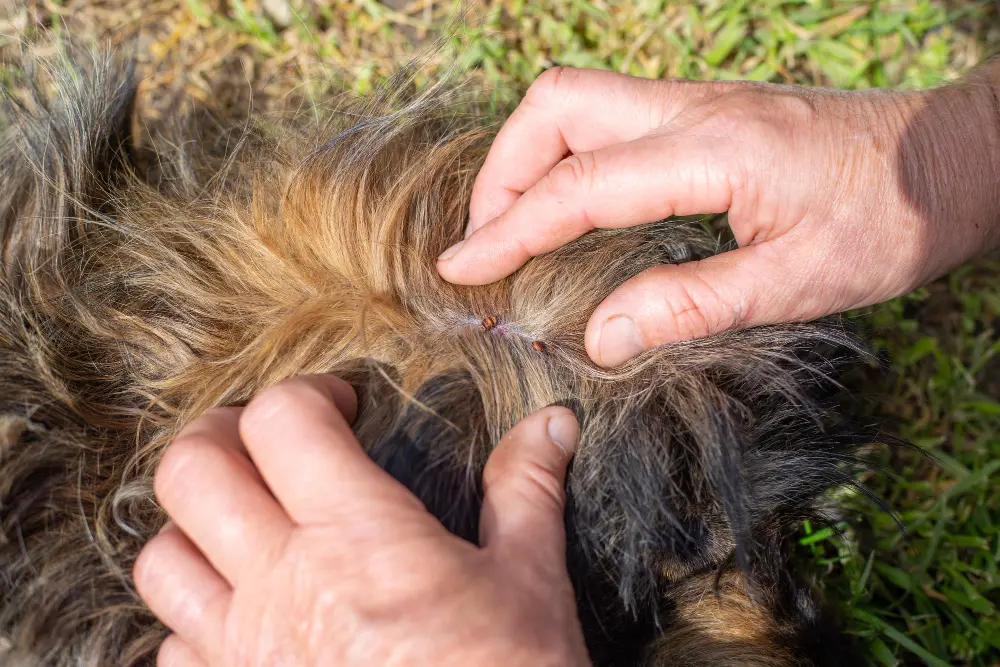
In India, a few specific considerations are worth highlighting. Tick paralysis, caused by certain tick species, can interfere with neuromuscular transmission and, in severe cases, affect the cardiovascular system. Accidental poisoning, whether from household chemicals, certain plants, or improperly stored veterinary medications, is also a risk that can precipitate acute cardiac events. Consistent tick prevention and safe storage of all medications and chemicals are practical steps that reduce these risks.
Hyperkalaemia from Addison’s disease is another important cause in Indian dogs, as adrenal disorders are sometimes underdiagnosed due to their variable and non-specific presentation. Any dog with recurrent episodes of weakness, vomiting, or collapse should be evaluated for adrenal function.
Related Products


Risk Factors
Certain dogs carry a higher risk of developing ventricular standstill:
- Older dogs with known heart disease or conduction system disorders
- Dogs with chronic kidney disease, which can cause potassium accumulation
- Dogs diagnosed with Addison’s disease or other adrenal conditions
- Dogs undergoing anaesthesia or certain diagnostic procedures where vagal stimulation is possible
- Dogs on cardiac or other medications that affect heart rhythm, particularly if dosing is not closely monitored
Related Videos


Diagnosis of Ventricular Standstill in Dogs
In an emergency setting, the diagnosis of ventricular standstill in dogs may be immediate and clinical, based on the absence of pulse, heartbeat, and responsiveness. However, once the dog is stabilised, or in cases where episodes are intermittent, formal diagnostic testing is essential to confirm the condition and identify its cause.
The key diagnostic tools include:
- Electrocardiogram (ECG): This is the definitive test. An ECG records the heart’s electrical activity and will show absent or ineffective ventricular complexes (QRS waves) during a standstill episode. In cases of complete AV block, P waves may be present without associated QRS complexes.
- Blood electrolytes: Potassium, sodium, and other electrolyte levels are checked urgently, as hyperkalaemia is a reversible and treatable cause of ventricular standstill.
- Full blood panel: To assess kidney function, adrenal function, and overall metabolic status.
- Echocardiography: To evaluate heart structure and function, identify any underlying cardiomyopathy, and assess the degree of cardiac compromise.
- Holter monitoring: A 24-hour portable ECG may be used in dogs with intermittent episodes to capture events that do not occur during a brief clinic visit.
What Vets Look For on ECG
On an ECG, the characteristic finding of ventricular standstill in dogs is the absence of QRS complexes, the wave forms that represent ventricular depolarisation and contraction. In complete AV block, P waves may be visible, representing normal atrial activity, but with no corresponding ventricular response. In complete asystole, even P waves are absent, and the ECG tracing is essentially flat.
These findings, combined with the clinical presentation, allow vets to confirm the diagnosis rapidly and determine the most appropriate emergency response.
Treatment Options for Ventricular Standstill in Dogs
Treatment for ventricular standstill in dogs is urgent, staged, and depends on the underlying cause. The immediate priority is restoring circulation. The long-term priority is preventing recurrence.
Emergency Management
In the acute phase, the veterinary team focuses on stabilising the dog as rapidly as possible:
- Supplemental oxygen to support any remaining circulation and protect vital organs
- Cardiopulmonary resuscitation (CPR) if the dog has no heartbeat or pulse
- Intravenous access for emergency medications, which may include atropine to increase heart rate, adrenaline in cardiac arrest, or specific antidotes if toxicity is suspected
- Intravenous fluid therapy, particularly if electrolyte imbalances such as hyperkalaemia are present
- Calcium gluconate or glucose and insulin combinations to temporarily counteract high potassium and restore cardiac conduction
- Continuous ECG monitoring throughout stabilisation
The speed and availability of emergency veterinary care significantly influence outcomes. In major Indian cities, emergency veterinary facilities with cardiac monitoring capability are increasingly available, though access varies considerably between urban and rural areas. If you live in a location with limited emergency vet access, it is worth knowing in advance where your nearest well-equipped clinic is located.
Long-Term Care
For dogs whose ventricular standstill is caused by complete AV block, the definitive long-term treatment is a permanent artificial pacemaker. A pacemaker delivers controlled electrical impulses directly to the ventricles, bypassing the failed conduction pathway and maintaining a reliable heart rate. Dogs with pacemakers often show a remarkable improvement in quality of life within days of implantation.
Pacemaker implantation in dogs is available in specialist veterinary cardiology centres in several major Indian cities, including Mumbai, Bengaluru, and Delhi. It is a referral procedure and involves an upfront cost and ongoing monitoring, but for eligible dogs it offers the best long-term outcome.
For dogs where standstill is triggered by a reversible cause such as electrolyte imbalance or drug toxicity, long-term management focuses on treating and monitoring that underlying condition. Regular blood tests and ECG monitoring are part of the ongoing care plan.
| Situation | Treatment Approach |
|---|---|
| Active ventricular standstill / arrest | CPR, emergency medications, oxygen, IV fluids |
| Complete AV block (ongoing) | Permanent pacemaker implantation |
| Hyperkalaemia as trigger | IV calcium, insulin/glucose, treat underlying cause (kidney disease, Addison’s) |
| Drug toxicity | Withdraw drug, supportive care, specific antidotes if available |
| Vagal-induced standstill | Atropine, manage triggering condition |
Related Products

Prognosis
The prognosis for ventricular standstill in dogs depends heavily on the speed of treatment and the underlying cause. Dogs who receive immediate emergency care for a reversible cause such as hyperkalaemia or drug toxicity can recover fully and go on to live normal lives once the underlying condition is managed.
For dogs with complete AV block, the prognosis is significantly improved with pacemaker implantation. Without a pacemaker, dogs with this condition are at ongoing risk of recurrent standstill episodes and their quality of life is severely compromised. With a well-functioning pacemaker, many dogs regain normal energy levels and live comfortably for years.
Cases arising from end-stage heart disease or severe systemic illness carry a more guarded outlook, as treatment of the standstill does not address the broader disease burden.
Living with a Dog with Heart Rhythm Issues
If your dog has been diagnosed with a condition that predisposes them to ventricular standstill, or has already experienced an episode, daily life requires some thoughtful adjustments:
- Administer all prescribed medications consistently, without skipping doses
- Keep all scheduled ECG and blood test appointments even when your dog seems well
- Avoid situations that cause high stress or excitement, which can place additional demand on a compromised heart
- Keep physical activity moderate and controlled unless your vet has specifically cleared your dog for more vigorous exercise
- Know the signs of a recurrent episode and have a clear, pre-planned route to your nearest emergency vet
Prevention and Awareness
Ventricular standstill in dogs cannot always be prevented, particularly when it arises from congenital or progressive cardiac disease. However, several measures reduce the risk of it occurring in susceptible dogs:
- Routine annual health checks including blood tests and cardiac auscultation, particularly for dogs aged seven and above
- Consistent tick prevention to reduce the risk of tick-borne illness and tick paralysis
- Prompt investigation of any episode of unexplained collapse, fainting, or extreme weakness
- Careful medication management in dogs on cardiac or other drugs affecting heart rhythm
- Regular monitoring of electrolytes in dogs with kidney disease or Addison’s disease
Ventricular standstill in dogs is among the most serious cardiac emergencies a pet parent can face. When the ventricles stop beating, every minute matters. But the important message to take from this is not fear. It is awareness and preparedness.
Knowing what ventricular standstill in dogs looks like, understanding which dogs are at higher risk, and having a clear plan for getting to emergency veterinary care quickly are the most valuable things you can do. For dogs with underlying conditions that predispose them to this event, consistent monitoring and management give the best chance of long-term wellbeing.
If your dog has ever fainted, collapsed, or shown unexplained extreme weakness, do not wait for it to happen again. Speak with your vet about cardiac evaluation. Early detection of a conduction disorder, treated appropriately, can give your dog years of comfortable life ahead.