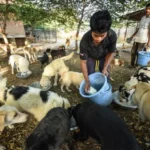

It is a worry many pet parents and rescue caregivers have noticed: a puppy that seems smaller than the others, is not gaining weight the way it should, or appears to have stopped growing while its siblings have continued. In many rescued puppies in India, this is exactly the situation we encounter small, underweight pups whose growth has been compromised by factors that were present before they arrived in care. The reassuring truth is that a puppy not growing properly usually has an identifiable cause, and in many cases, the right care makes a meaningful difference.
What is Normal Puppy Growth?
Puppies grow at a remarkable rate in their first months of life, but the pace varies considerably by breed and individual. A general pattern applies regardless of breed:
- 0 to 2 months: Rapid weight gain, approximately doubling birth weight in the first ten days and continuing to gain quickly through the first two months
- 2 to 6 months: Significant growth in height and length alongside continued weight gain. The fastest growth phase for most dogs.
- 6 to 12 months: Growth continues but slows. Small breeds may reach near-adult size by six to eight months. Medium breeds typically by twelve months. Large breeds continue growing beyond this.
- 12 to 24 months: Large and giant breeds continue filling out in musculature and body weight even after height is largely established.
Indian indie dogs typically reach near-adult size by ten to twelve months, with most of their growth completing in the first six months. Significant variation between individuals is normal, and comparing a puppy to a littermate of a different sex or slightly different constitution is not always meaningful.
When Should You Be Concerned?
One quiet day of eating less or one week of slower weight gain is not necessarily a problem. The pattern that raises genuine concern is:
- A puppy that is noticeably smaller than all littermates consistently over several weeks
- A puppy that was growing normally and has stopped gaining weight or height for two weeks or more
- A puppy accompanied by other signs of illness such as loose stools, low energy, or a dull coat
- A puppy that is losing weight rather than gaining it
Symptoms of Stunted Growth in Puppies
Alongside the size disparity itself, a puppy not growing properly often shows other signs:
- Visibly smaller size and lower body weight than breed or litter expectations
- A pot-bellied appearance, which in young puppies often signals a worm burden
- Dull, dry, or thin coat that does not reflect the nutrition being offered
- Lethargy or reduced playfulness compared to littermates of the same age
- Loose stools, diarrhoea, or visible worms in the faeces
- Delayed physical milestones such as eye opening, tooth eruption, or mobility development
- Reduced appetite or selective eating
Common Causes of Stunted Growth in Puppies
Poor Nutrition
This is the most common cause of a puppy not growing properly in India. Puppies have significantly higher nutritional requirements than adult dogs for protein, fat, calcium, and specific vitamins relative to their body weight. A puppy fed inadequately, either in quantity or nutritional quality, simply does not have the building blocks to grow at a normal rate.
Common nutritional situations that lead to stunted growth include:
- Feeding rice or bread as the primary diet without adequate protein
- Sharing adult dog food without understanding that puppy requirements are different
- Weaning too early from the mother before nutritional alternatives are adequate
- Feeding rescued puppies with inadequate or irregular nutrition during early life before rescue
The good news is that nutritional stunting, when identified early, often responds well to appropriate feeding. Catch-up growth is possible, particularly in puppies under four months.
Parasitic Infections
Intestinal parasites are extremely common in Indian puppies, particularly those born to undewormed mothers or in environments with significant soil or faecal contamination. Roundworms, hookworms, and whipworms all compete with the puppy for the nutrients from food, effectively stealing the building blocks that growth requires.
A heavily parasitised puppy may eat well but still not grow, because much of the nutrition it consumes is being absorbed by the worms before the puppy can use it. The pot-bellied appearance common in such puppies is a characteristic sign of significant roundworm burden.
Regular deworming is essential and should begin at two to three weeks of age, with repeat doses at two-week intervals during the first three months of life, and then every three months thereafter. This is one of the most impactful and inexpensive interventions for puppy health in India.
Chronic Illness or Infections
A puppy fighting a significant illness does not have the energy reserves available for growth. Parvovirus, distemper, tick-borne diseases, and recurrent bacterial infections all divert the body’s resources away from growth and towards survival and immune response. Puppies that have recovered from a significant illness often show a period of catch-up growth once they are well, but prolonged illness during critical growth windows can result in lasting size differences.
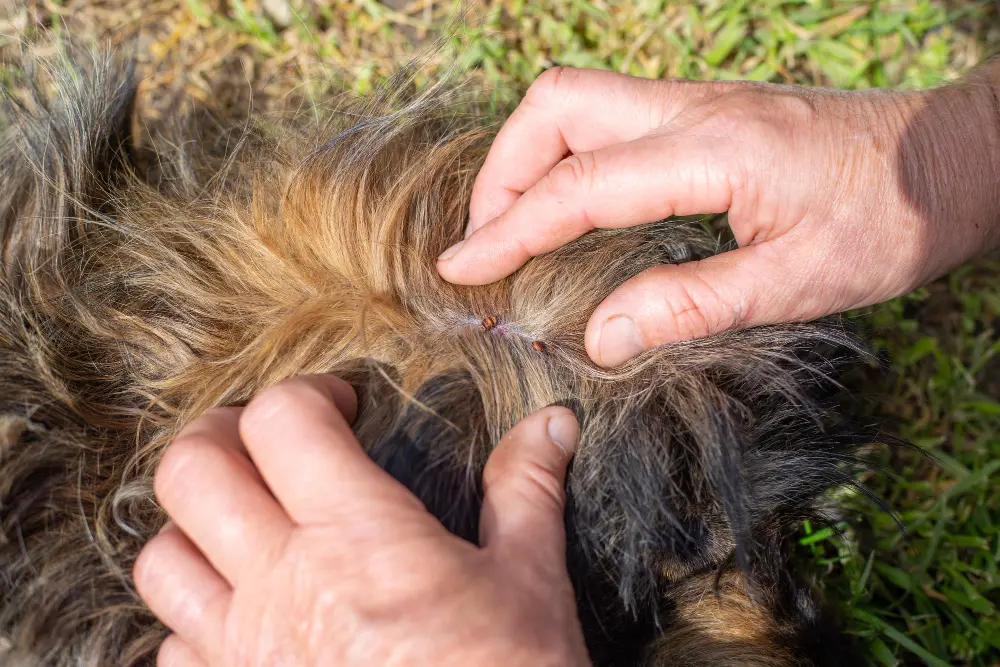
In India, tick-borne ehrlichiosis in puppies is a particularly relevant example, it is more common than many people realise, and its non-specific signs of lethargy and poor appetite are easy to attribute to other causes before it is diagnosed and treated.
Genetic or Breed Factors
Some puppies are simply genetically smaller. This is particularly relevant in litters where the parents are unknown, as is typical in many Indian mixed-breed situations. A puppy that is consistently the smallest in the litter but is bright, active, eating well, and producing normal stools is often just constitutionally smaller rather than unwell. These puppies do not require intervention, they simply need realistic expectations adjusted.
Hormonal or Developmental Issues
Less commonly, growth problems can relate to hormonal conditions including thyroid insufficiency or growth hormone deficiency. These are rare but worth considering when other causes have been excluded. A veterinary assessment including blood work can identify or rule out these conditions. In most cases, hormonal causes of stunted growth in puppies have a distinct clinical pattern that the vet will recognise during examination.
Related Videos




How Vets Diagnose Growth Problems in Puppies
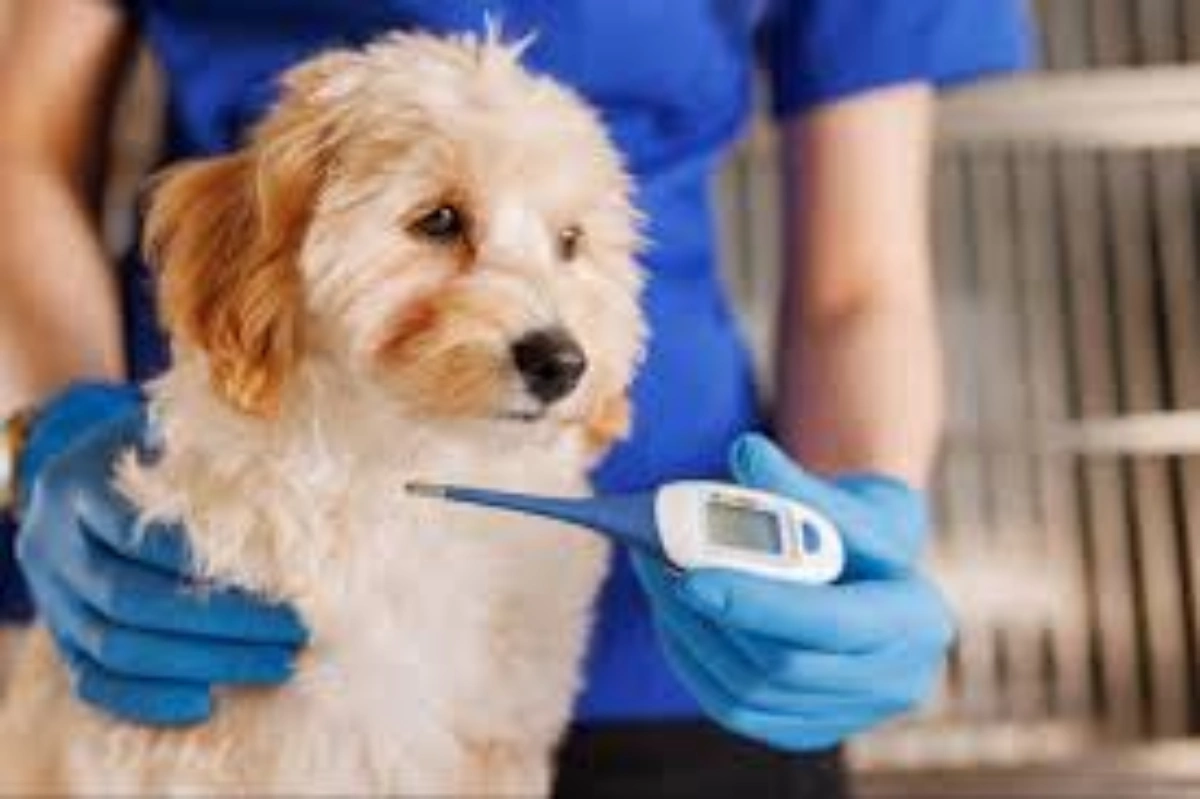
When a puppy not growing properly is brought in for assessment, the vet’s approach typically involves:
- Weight and body condition assessment: Comparing the puppy’s weight and body condition score to breed and age expectations provides a baseline.
- Faecal examination: A stool test to identify parasites is almost always the first specific test, given how common parasite burdens are in Indian puppies.
- Physical examination: Assessing the coat quality, abdomen shape, muscle condition, and the puppy’s alertness and responsiveness.
- Blood work: If parasites and basic dietary issues are addressed but growth remains poor, a blood panel assesses organ function, identifies infections, and checks for hormonal abnormalities.
- Parvo and tick disease testing: In puppies with specific signs alongside growth failure, these tests may be added to the initial workup.
Treatment and Prognosis
Treatment for a puppy not growing properly depends directly on the cause:
- Nutritional correction: Transitioning to a high-quality, age-appropriate puppy diet with adequate protein and calories. Recovery is often visible within two to four weeks of consistent improvement in diet quality and quantity.
- Deworming: Appropriate antiparasitic treatment at the correct dose and schedule. Repeat treatment is essential to address the full parasite lifecycle. Stool quality and body condition typically begin improving within one to two weeks.
- Treating underlying illness: Antibiotics for bacterial infections, tick disease treatment with doxycycline, or parvo supportive care where applicable. Growth typically resumes once the illness is resolved.
- Hormonal treatment: For diagnosed hormonal conditions, specific supplementation under veterinary guidance.
The prognosis for a puppy not growing properly is generally good when the cause is identified and addressed before the primary growth period (six months of age) has passed. Earlier intervention consistently produces better catch-up growth outcomes.
How to Support Healthy Growth at Home
Beyond veterinary treatment, consistent at-home care makes a significant difference to a growing puppy’s development:
- Feed a nutritionally complete puppy diet, either a commercial puppy food appropriate for the dog’s size category, or a vet-guided home-prepared diet
- Feed multiple small meals per day rather than one or two large ones, puppies have small stomachs and benefit from three to four meals daily
- Ensure fresh, clean water is always available
- Follow the recommended deworming schedule without gaps
- Keep the puppy’s living environment clean to reduce reinfection from faecal contamination
- Attend vaccination appointments on time to prevent parvovirus and distemper, both of which significantly impact growth in affected puppies
What to Feed a Growing Puppy in India
For Indian households feeding puppies on home-prepared food, a practical and nutritionally reasonable starting point includes:
- Boiled chicken (with bone removed) or boiled eggs as the primary protein source
- White rice or oats as the carbohydrate component
- Small amounts of cooked vegetables including carrot and pumpkin
- A calcium source if the diet does not include bone, boiled eggshell powder is a practical option
- Cooked fish two to three times per week for omega-3 fatty acids
Any home-prepared puppy diet should be reviewed by a vet or veterinary nutritionist to confirm it meets the puppy’s growth requirements. What works as a maintenance diet for an adult dog is often insufficient for a growing puppy’s significantly higher needs.
Related Products
When Growth Cannot Be Fully Reversed
In some cases, particularly where growth was significantly compromised during the first three months of life due to severe malnutrition, illness, or parasitic burden, a puppy may not fully catch up to its genetic potential. This does not mean the dog cannot live a healthy, active, fulfilling life. Many small or undersized dogs in India live well for years. The focus shifts from catching up to providing the best possible ongoing care for the dog as it is, rather than comparing it to what it might have been.
When to See a Vet Immediately
Contact your vet the same day if a puppy shows:
- Active weight loss over several days rather than simply not gaining
- Vomiting alongside growth failure
- Blood in the stool or very pale, watery diarrhoea
- Extreme weakness, inability to stand, or collapse
- Complete food refusal lasting more than a day in a puppy under three months of age