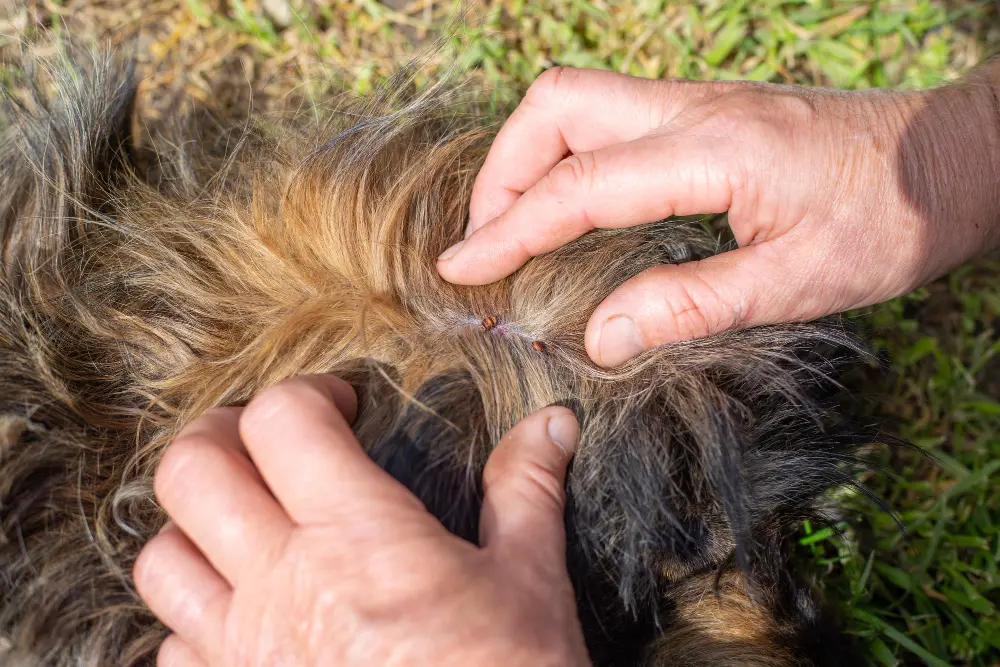
Areas with Prevalence of Fleas and Ticks
Certain regions in the United States face more significant challenges with flea and tick infestations on dogs and cats. The prevalence of these pests tends to be higher in areas characterized by warmer and more humid climates, creating a breeding ground for fleas and ticks. This environmental condition can lead to severe health issues for both pets and humans in these locations.
The distribution of specific tick and flea species is closely tied to the climate of an area. Regions with colder winter seasons enjoy a temporary relief from the challenges posed by ticks and fleas, as these pests become less active for a few months each year. Conversely, hot and dry climates are less favorable for fleas and ticks, making them a year-round concern in more temperate environments.
Tick Populations
In recent times, there has been a notable expansion of tick populations, particularly with species traditionally found in southern regions now extending their reach into northern territories. Ticks belonging to the Ixodes and Amblyomma species are venturing into climates that were previously considered too cold for their survival. This expansion is attributed to several factors including rising temperatures, wildlife conservation efforts, reforestation initiatives, and urban expansion, all contributing to the migration of ticks.
For instance, the deer tick (Ixodes scapularis) is increasingly being detected in new areas, facilitated by the growing deer population in the eastern United States. Alongside the spread of deer ticks comes an elevated risk of Lyme disease and anaplasmosis transmission to dogs and cats in those regions.
As migrating tick populations introduce diseases that were not previously prevalent in certain areas, safeguarding pets against ticks becomes increasingly crucial. Employing tick prevention medications, vaccinations, and regular screenings for tick-borne illnesses are essential measures. Veterinarians can offer tailored advice regarding the prevalent diseases in specific geographic areas.
Flea Populations
The primary flea species impacting cats and dogs across the United States is Ctenocephalides felis, commonly known as the cat flea. While fleas can be encountered throughout the country, their presence is more pronounced in regions characterized by higher humidity levels and warmer temperatures.
For instance, Florida experiences a significant flea problem even during winter, whereas in Chicago, flea activity diminishes for several months annually. In the arid desert areas of the U.S., humidity levels typically do not support the flea life cycle, resulting in lower risks of flea infestations for pets in those states.
Even in regions where fleas and ticks are not as prevalent, preventive medications for pets are still beneficial. Veterinarians can provide personalized advice regarding the risk of flea infestations or tick-borne diseases for your pet. Prevention is consistently preferable, safer, and more cost-effective than treating established diseases in your pet.
Related Videos