If your dog has been clearing the room more than usual, you are not alone. Flatulence in dogs is one of the most common digestive complaints pet parents notice, and it tends to generate more quiet concern than any other symptom. The good news is that in most cases it is not a sign of something serious. It often comes down to what your dog is eating, how they are eating it, or a relatively simple imbalance in their gut. That said, when gas is persistent, foul-smelling, or comes with other symptoms, it is worth paying attention.
Is It Normal for Dogs to Fart?
Yes, occasional flatulence in dogs is entirely normal. Like people, dogs produce gas as a natural byproduct of digestion. Some gas is produced by bacteria in the colon as they break down food, and some is swallowed during eating and drinking. Both find their way out eventually.
The concern arises when gas becomes excessive, unusually foul-smelling, or is accompanied by other digestive symptoms such as bloating, loose stools, or discomfort. At that point, flatulence in dogs is the body’s way of signalling that something in the digestive process is not quite right and deserves a closer look.
Symptoms to Watch for Alongside Excessive Gas
Flatulence on its own is rarely a cause for alarm. When it appears alongside the following, it is worth monitoring more carefully:
- Frequent, audible passing of gas throughout the day
- Particularly foul or sulphurous odour that is noticeably different from usual
- Visible abdominal bloating or a rounder-than-normal belly
- Loose stools or intermittent diarrhoea
- Discomfort after meals, including restlessness, reluctance to lie down, or repeated position changes
- Reduced appetite or inconsistent interest in food
- Occasional vomiting alongside the gas
In many rescue cases and dogs with an unknown dietary history, excessive flatulence turns out to be directly linked to what they have been eating. A simple diet correction is often enough to bring things back to normal within a week or two.
When Should You Be Concerned About Flatulence in Dogs?
Most cases of flatulence in dogs do not need urgent veterinary attention. However, there are situations where seeing a vet promptly is the right call:
- The abdomen looks visibly swollen and feels hard or tense, which can be a sign of bloat
- Your dog is in obvious pain, is restless, or cannot settle despite no change in activity
- Gas is accompanied by persistent vomiting or bloody diarrhoea
- Your dog has become significantly lethargic alongside the digestive symptoms
- The gas and bloating came on suddenly and are worsening rapidly
Sudden, severe abdominal distension with gas, restlessness, and distress is a warning sign for gastric dilatation and volvulus, commonly known as bloat. This is a medical emergency in dogs, particularly large and deep-chested breeds. It is a very different situation from the typical everyday flatulence discussed in this guide, but it is worth knowing the distinction.
Causes of Flatulence in Dogs
Flatulence in dogs develops when more gas than usual is produced during digestion, or when the digestive system is not processing food efficiently. Here are the most common reasons:
- Poor-quality or inappropriate diet: Low-quality commercial foods with high levels of fillers, artificial additives, or indigestible ingredients can ferment in the gut and produce significant gas. This is one of the most consistently correctable causes of flatulence in dogs.
- Swallowing air while eating: Dogs that eat very quickly gulp air along with their food. This air enters the digestive tract and contributes directly to gas. Fast eaters are among the most common candidates for excessive flatulence.
- Sudden diet changes: Switching food abruptly disrupts the gut microbiome and can cause a temporary but significant increase in gas production until the digestive system adjusts.
- Food intolerance: Some dogs are intolerant to specific ingredients including lactose in dairy products, certain proteins, or high-fibre vegetables. In Indian households, dogs are sometimes offered milk, curd in large amounts, or heavily spiced leftover food, all of which can trigger flatulence in sensitive dogs.
- Table scraps and human food: Oily, spiced, or fried food, common in Indian kitchens, is difficult for dogs to digest and often generates significant gas, particularly when offered regularly.
- Intestinal parasites: Worm infestations, giardia, and other parasites interfere with normal digestion and frequently cause excessive gas alongside loose stools. Regular deworming is particularly important in India where parasite exposure is high.
- Gut dysbiosis: An imbalance in the healthy bacteria that populate the intestine can lead to abnormal fermentation and increased gas production. This can follow a course of antibiotics, an illness, or prolonged poor diet.
Diet-Related Causes: The Most Common Driver
In practice, the large majority of cases of flatulence in dogs that we see come down to what the dog is being fed. Certain foods are known to be more gas-producing than others:
| Food or Ingredient | Why It Causes Gas | Common in Indian Context? |
|---|---|---|
| Dairy products | Most adult dogs are lactose intolerant | Yes, milk and curd given as treats |
| Oily or fried food | Difficult to digest, disrupts gut bacteria | Yes, kitchen leftovers |
| Heavily spiced food | Irritates digestive lining, slows motility | Yes, curry leftovers and dal |
| Low-quality kibble | High filler content ferments in colon | Yes, budget commercial foods |
| Legumes and pulses | High fermentable fibre | Yes, dal and lentils occasionally fed |
| Cabbage, cauliflower | Produce sulphurous gas during fermentation | Occasionally fed as vegetables |
Making simple changes to what your dog eats is often the most effective way to reduce flatulence. Many pet parents are surprised by how much improvement comes from just removing one or two problematic foods.
Related Videos


How Vets Diagnose Gas Problems in Dogs
If flatulence in dogs is persistent or accompanied by other symptoms, a veterinary assessment is worthwhile. Diagnosis is usually straightforward:
- Diet and history review: Your vet will ask about everything your dog eats, including treats, table scraps, and supplements. This is often the most revealing part of the consultation for gas-related cases.
- Physical examination: The vet will assess abdominal shape, listen for bowel sounds, and check for pain or tenderness. They will also evaluate your dog’s overall condition and weight.
- Stool test: A faecal examination checks for parasites including worms and giardia, which are common causes of excessive gas and loose stools in Indian dogs.
- Blood tests or further investigation: These are only needed if the vet suspects an underlying condition such as inflammatory bowel disease, exocrine pancreatic insufficiency, or a food allergy that has not responded to dietary management.
Treatment: How to Reduce Flatulence in Dogs
Treatment depends on the identified cause, but most cases of flatulence in dogs respond well to one or more of the following approaches:
- Diet correction: Switching to a high-quality, easily digestible food and removing known gas-producing ingredients is the single most effective step for the majority of dogs. A consistent diet that agrees with your dog’s digestive system reduces fermentation in the gut significantly.
- Slow feeding: If your dog eats too quickly, using a slow-feeder bowl or puzzle feeder significantly reduces air swallowing. Spreading food on a flat surface or dividing meals into smaller portions can also help.
- Probiotics: Vet-recommended probiotics help restore and maintain a healthy gut microbiome, which regulates normal bacterial fermentation and reduces excess gas. These are particularly useful after a course of antibiotics or following an illness.
- Deworming: If parasites are identified or the dog’s deworming history is uncertain, appropriate treatment will be prescribed. Maintaining a regular deworming schedule prevents recurrence.
- Medications: In some cases, the vet may prescribe simethicone-based preparations or other medications to help manage gas while the underlying cause is being addressed. These are used as a supportive measure rather than a standalone solution.
Safe Home Care Tips for Flatulence in Dogs
For mild cases without other accompanying symptoms, these practical steps can make a meaningful difference:
- Feed your dog at consistent times each day and stick to the same food to avoid gut disruption
- Remove all table scraps, oily leftovers, spiced food, and dairy from the diet
- Divide daily food into two or three smaller meals rather than one large serving
- Use a slow-feeder bowl if your dog eats quickly
- Ensure fresh water is always available and change it daily
- Short, gentle walks after meals can help stimulate normal gut movement and reduce gas buildup
- If your dog tolerates plain curd well and is not lactose sensitive, a small amount can serve as a gentle natural probiotic. Watch for any increase in loose stools and discontinue if it does not agree.
These steps are for mild, diet-related flatulence in dogs without serious accompanying symptoms. If things do not improve within one to two weeks of dietary changes, a vet visit is the appropriate next step.
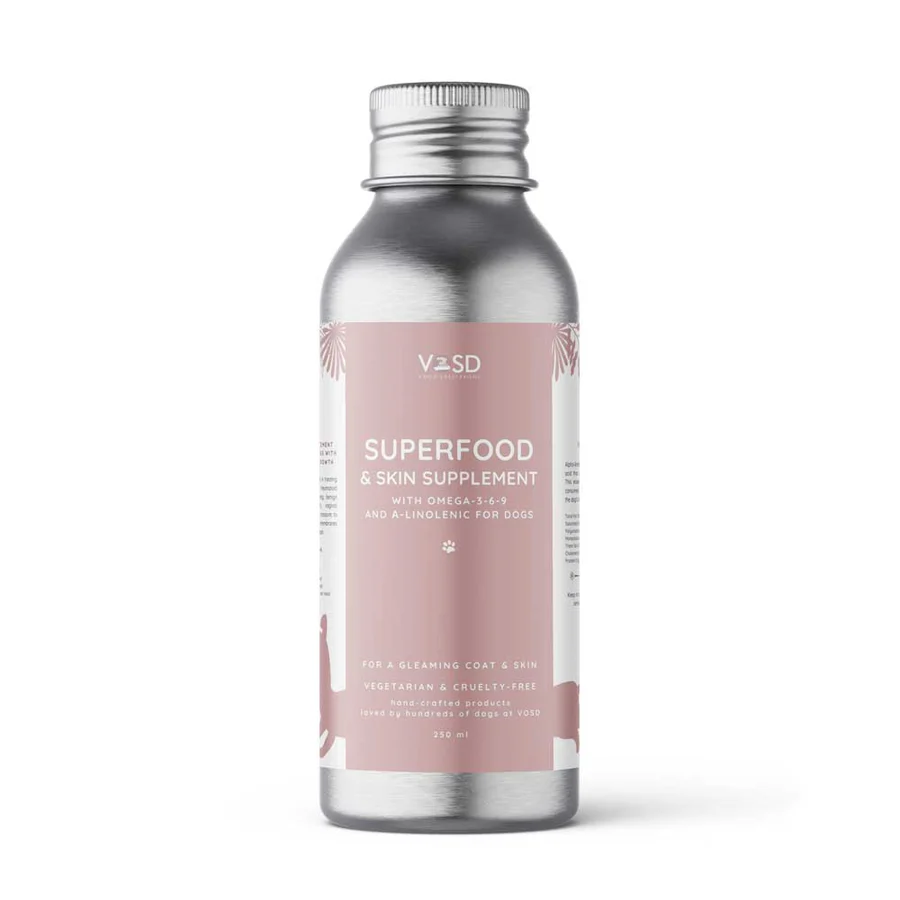
Supporting your dog’s digestive and overall health from within is also worthwhile. VOSD Superfood Skin Supplement with Omega provides essential fatty acids that support healthy skin and coat as part of broader nutritional wellness. A well-nourished dog generally has a more balanced gut, which contributes to better digestive function over time. Always consult your vet before introducing any new supplement.
Related Products
Prognosis: Will Flatulence in Dogs Go Away?
In most cases, yes. Once the underlying dietary trigger or parasitic cause is identified and addressed, flatulence in dogs resolves fairly quickly, often within one to two weeks of making the relevant changes. Dogs that are switched to a better-quality, more appropriate diet consistently show improvement without the need for ongoing medication.
Dogs with chronic flatulence linked to an underlying condition such as inflammatory bowel disease or food intolerance may need long-term dietary management, but even these cases can be well controlled with the right approach and regular veterinary guidance.
Preventing Excessive Flatulence in Dogs
Prevention comes down to a few consistent habits that make a big difference over time:
- Feed a consistent, high-quality diet that suits your dog’s age, size, and health status
- Transition between foods gradually over seven to ten days to avoid digestive disruption
- Follow a regular deworming schedule as recommended by your vet
- Avoid feeding oily, spiced, or dairy-heavy human food as regular offerings
- Use slow-feeder bowls for dogs that eat quickly
- Keep dustbins and food waste secured to prevent scavenging on walks and at home
- Ensure daily exercise, which supports healthy gut motility
Small, consistent changes to your dog’s routine and diet are often all it takes to resolve flatulence in dogs and keep their digestive system functioning comfortably.