
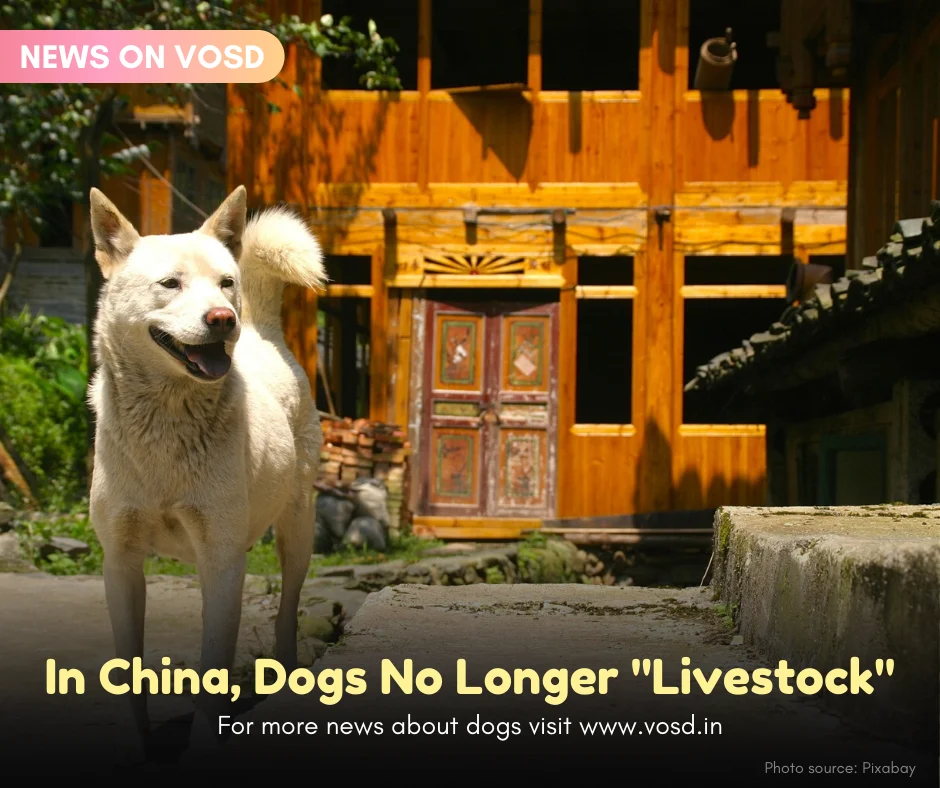
This is part of China’s response to the pandemic crisis.
China is finally taking steps to protect dogs. Infamous for their dog eating festival in Yulin, China has long endured the anger of activists and dog lovers worldwide for their stance on dogs as livestock.
The coronavirus crisis has resulted in widespread debate about the ethics around animal consumption. The outbreak has forced international governments to reassess how they approach the consumption of exotic animals.
As part of China’s response to the coronavirus crisis, the national government released a revised list of animals that could be categorized as livestock. Dogs and cats were not on this list anymore.
Dogs are now categorized as “companions”, but what does this mean?
We need to think about how we categorize members of the animal kingdom and how they will be interpreted by state governments, especially in a country like China. The national government has not made explicit directives relating to the consumption of dogs and cats, despite their new status as “companions”.
Certain cities have taken the matter into their own hands
Shenzhen is the first city to uphold a ban on the consumption of dogs and cats. Following the pandemic, they released a report that stated:
“Dogs and cats as pets have established a much closer relationship with humans than all other animals, and banning the consumption of dogs and cats and other pets is a common practice in developed countries and in Hong Kong and Taiwan.”
Zhuhai, a city in the province of Guangdong, soon followed suit. Guangdong province is neighbours with Guangxi province, which hosts an internationally controversial dog meat festival in the city of Yulin.
10 million dogs and 4 million cats are slaughtered in China every year.
The dog meat trade has caused an outcry from the international community. Livestock traders transport dogs and cats in appalling conditions to dog meat trade festivals across China every year. They arrive dehydrated and starving and undergo severe pain during this process.
The sad truth is that the Yulin dog meat festival actually comprises less than 0.01% of the dog meat economy. While it is encouraging that the business is declining every year, and cities are evolving their own positive stances on the dog meat trade, there is a lot of work to be done to eradicate the consumption of dogs and cats altogether.
Legislation needs to reflect positively on dog rights
Another alarming fact pertains to the illegality of the dog meat industry even within a legal framework. Many of the dogs consumed are not from typical livestock farms, but are often stolen or abandoned dogs.
The Chinese government needs straightforward policies that reflect international views on the consumption of dog meat. Cities like Shenzhen are leading by example by changing their views towards dogs and cats as “meat”.















