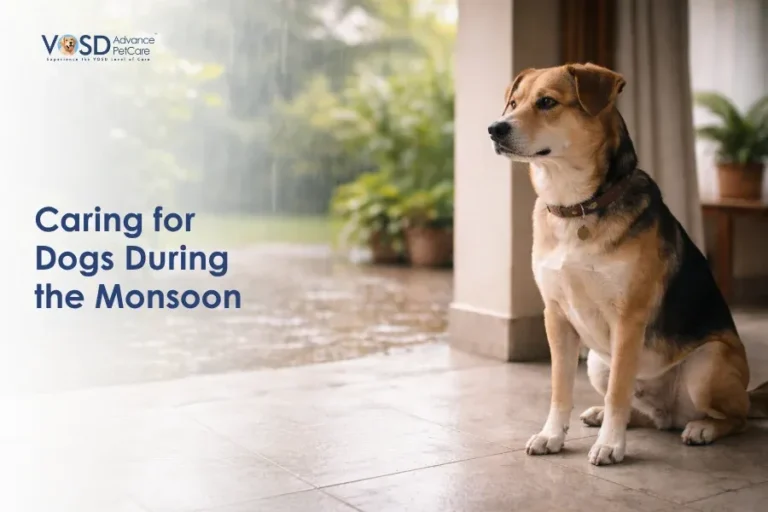
Most dog owners think of monsoon as a minor inconvenience. Muddy paws. Wet walks. A dog that smells like wet fur for three months.
The reality is considerably more serious.
Monsoon in India creates conditions that are ideal for pathogens, parasites, and infections to thrive. Humidity stays high for weeks at a time. Stagnant water collects everywhere. Soil becomes contaminated. Ticks and fleas reach peak activity. And a dog that spends even a short time outdoors in these conditions carries all of that back into the home on its paws, coat, and skin.
The problems that develop are not dramatic at first. They are quiet and cumulative. A little scratching here. A slightly smelly ear there. By the time the signs are obvious, the infection is already established.
Prevention is far easier than treatment. But it requires understanding what you are actually preventing.
Why Monsoon Changes a Dog’s Biology and Environment
The monsoon season does not just make dogs wet. It fundamentally changes the microbial landscape around them.
What high humidity and stagnant water create:
- Warm, moist conditions in which fungal spores germinate and multiply rapidly
- Stagnant puddles and waterlogged soil that carry bacteria, protozoa, and leptospira organisms
- Dense vegetation that shelters ticks and provides easy access to passing dogs
- Persistent dampness in the coat and between the paw pads that breaks down the skin barrier over time
A dog’s skin is its primary defence against infection. When that skin is wet, softened, and warm for extended periods, it becomes significantly more vulnerable to both fungal and bacterial invasion.
This is not theoretical. Veterinary clinics across India see a consistent and dramatic increase in skin infections, ear infections, tick-borne disease presentations, and gastrointestinal illness through the monsoon months every year.
What You May Start Noticing in Your Dog
The early signs of monsoon-related health problems are easy to dismiss. They often look like minor irritations rather than the beginning of a genuine infection.
Watch for:
- Persistent scratching, particularly around the ears, belly, paws, and between the toes
- Licking or chewing at the paws after outdoor walks
- A musty, yeasty, or sour smell from the coat or ears
- Redness, flaking, or scaling of the skin
- Head shaking or tilting, indicating ear discomfort
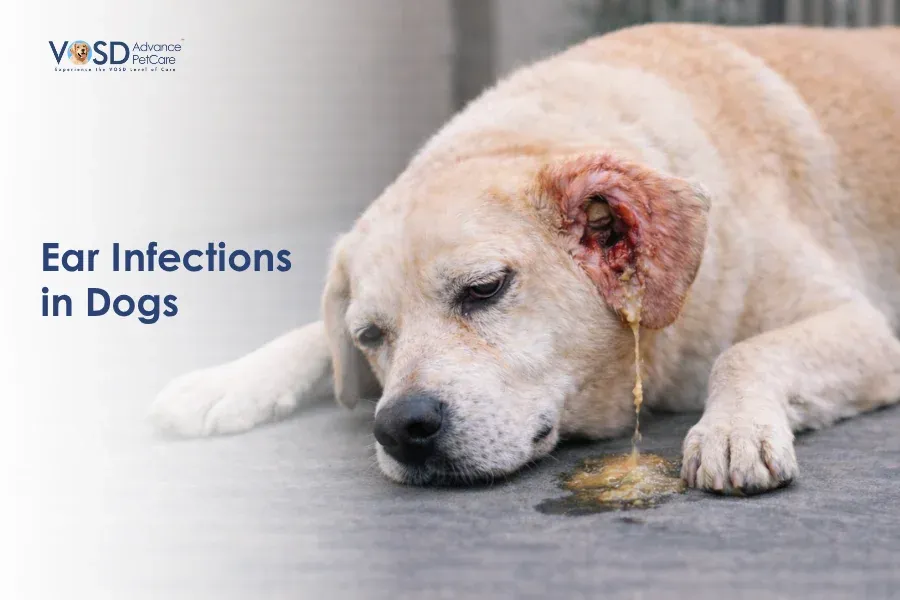
- Dark, waxy, or foul-smelling discharge from the ears
- Hair loss in patches, particularly on the belly or inner thighs
- Lethargy or reduced appetite
- Loose stools or vomiting after walks near contaminated water sources
If your dog is showing more than one of these signs together, do not wait for them to resolve. A veterinary assessment within 48 hours is appropriate.
What Triggers These Problems During the Rainy Season
Moisture retention in the coat:
A dog’s undercoat, particularly in double-coated breeds, holds water against the skin long after the outer coat appears dry. This retained moisture creates the warm, dark, humid environment that fungi and bacteria require to establish themselves.
Contaminated paw contact:
Puddles and waterlogged soil in Indian cities and towns during monsoon carry a significant bacterial and protozoal load. A dog that walks through these surfaces and then licks its paws is ingesting or absorbing whatever those surfaces contain.
Leptospirosis risk:
Leptospira bacteria thrive in warm, flooded environments. They are shed in the urine of infected rodents, which are displaced into human and animal living spaces during heavy rains. Dogs that swim in, drink from, or walk through flooded or stagnant water are at real risk of exposure.
Tick and flea peak activity:
Ticks do not slow down in the rain. In fact, the moist, warm conditions of the monsoon are ideal for their lifecycle. Dogs that walk in grass, undergrowth, or parks during this season carry a significantly elevated tick burden. Each tick attachment is a potential vector for ehrlichiosis, babesiosis, and other tick-borne diseases.
Ear canal dampness:
Water entering the ear canal during rain or bathing creates an environment where yeast and bacteria flourish. Dogs with floppy or heavy ears are particularly vulnerable because the ear canal remains warm and poorly ventilated even when the dog appears dry.
Related Videos


How Moisture Turns Into Disease: The Mechanism
Understanding the progression explains why early care prevents serious infection.
The sequence typically follows this pattern:
- Repeated moisture exposure softens and macerates the skin’s outer layer, reducing its barrier function
- Natural skin flora imbalance occurs as the wet, warm environment favours certain bacteria and fungi over others
- Opportunistic organisms, particularly Malassezia yeast and Staphylococcal bacteria, begin to overgrow
- Inflammation develops as the immune system responds to the overgrowth
- The scratching cycle begins: the dog scratches the irritated area, breaks the skin surface, introduces additional bacteria through its nails and paws, and worsens the infection
- Secondary infection establishes in the broken skin, producing the hot, red, moist patches called hot spots, or the deeper tissue infections that require systemic antibiotic treatment
The same progression applies in the ear canal. Moisture enters, yeast overgrows, the ear becomes inflamed and itchy, the dog shakes and scratches, the inflammation worsens, and what began as dampness becomes an established otitis infection.
Catching the process at the earliest stage, the damp coat and the beginning of scratching, prevents the progression. Missing it allows each stage to feed the next.
Different Categories of Monsoon Health Risks
Skin infections:
- Fungal, particularly Malassezia and ringworm
- Bacterial, particularly Staphylococcal pyoderma
- Hot spots, which are acute moist dermatitis lesions that develop rapidly
Ear infections:
- Yeast otitis, the most common monsoon-related ear problem
- Bacterial otitis, often secondary to yeast infection or water exposure
- Mixed infections involving both yeast and bacteria simultaneously
Tick-borne diseases:
- Ehrlichiosis, causing fever, lethargy, and bleeding tendencies
- Babesiosis, causing destruction of red blood cells and anaemia
- Rocky Mountain spotted fever in some regions
Gastrointestinal illness:
- Bacterial gastroenteritis from contaminated water or soil contact
- Leptospirosis, which affects the kidneys and liver and can be fatal
- Giardia and other protozoal infections from puddle water ingestion
Respiratory infections:
- Kennel cough and other respiratory viruses spread more easily in enclosed, damp environments where dogs congregate
How Vets Confirm What Is Going Wrong
When a dog presents with monsoon-related health concerns, the veterinary assessment is targeted and systematic.
What the examination typically involves:
- Physical examination of the skin, including assessment of the coat, identification of lesion types, and examination of the paws and ear canals
- Skin cytology, where cells are collected from affected areas and examined microscopically to identify the organisms involved
- Ear cytology, similarly identifying the organism responsible for ear infection before treatment is selected
- Skin scraping to rule out mite infestation, which can mimic fungal and bacterial infection
- Blood tests where tick-borne disease, leptospirosis, or systemic illness is suspected
- Parasite identification, including tick count and identification of tick species where relevant
Accurate diagnosis drives effective treatment. The wrong antifungal applied to a bacterial infection, or antibiotics given for a yeast problem, wastes time and allows the infection to progress.
Managing the Problem: Practical Care That Actually Works
Drying After Every Outdoor Exposure
This is the single most impactful preventive measure.
How to do it correctly:
- Use a dedicated, absorbent towel for the dog, kept separate from household towels
- Dry the paws thoroughly first, including between the toes and under the paw pads
- Work through the coat from the skin surface outward, not just the outer layer
- Pay particular attention to the belly, inner thighs, armpits, and ear flaps where moisture is retained longest
- Use a pet-safe blow dryer on a low heat setting for thick or double-coated breeds
Paw Care After Every Walk
Post-walk paw routine:
- Wash paws with clean water, or a dilute pet-safe antiseptic solution where contamination is suspected
- Dry thoroughly between the toes
- Check for cuts, cracks, embedded debris, or early signs of interdigital inflammation
- Apply a pet-safe paw balm if the skin appears dry or cracked
Parasite Prevention
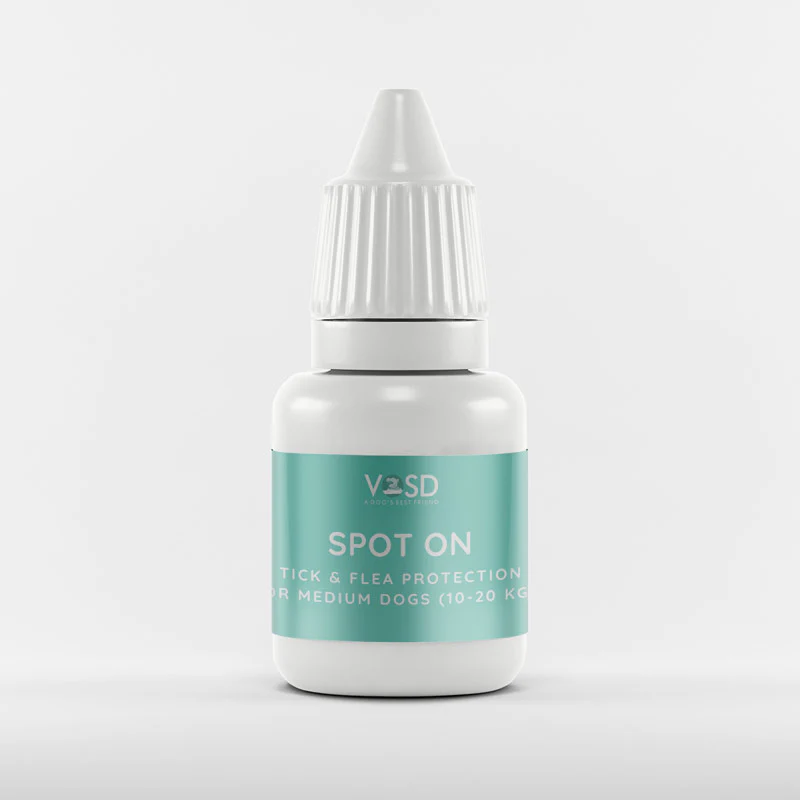
- Apply veterinarian-recommended tick and flea prevention products consistently throughout the monsoon season, not only when ticks are visibly present
- Check for ticks after every outdoor session, paying attention to the ears, between the toes, around the collar, and in the groin area
- Remove any attached ticks promptly using a tick removal tool and correct technique
Ear Care
- Check the ears weekly during monsoon for odour, discharge, or redness
- Gently clean the outer ear canal with a veterinarian-recommended ear cleaner if the dog is prone to ear infections
- Never insert cotton buds into the ear canal
Grooming and Bedding
- Brush the coat regularly to remove debris and promote air circulation through the fur
- Keep bedding clean, dry, and changed frequently during the monsoon months
- Ensure the dog’s sleeping area is elevated off the floor and away from damp walls
For a complete guide to grooming practices that support year-round skin and coat health, our Dog Grooming Guide provides detailed breed-specific and seasonal guidance.
Monsoon Care vs Regular Care: What Changes
| Care Area | Regular Season | Monsoon Season |
|---|---|---|
| Post-walk drying | Optional for light-coated breeds | Mandatory for all dogs after every outing |
| Paw cleaning | Weekly or as needed | After every outdoor exposure |
| Ear checks | Monthly | Weekly minimum |
| Tick checks | After tall grass exposure | After every outdoor session |
| Coat brushing | Weekly | Two to three times per week |
| Bedding change | Weekly | Twice weekly or more |
| Parasite prevention | Ongoing | Heightened monitoring + consistent product use |
| Water source monitoring | General awareness | Active restriction from puddles and stagnant water |
What Happens If You Ignore Monsoon Care
Untreated monsoon-related infections follow a predictable and worsening trajectory.
Consequences of delayed care include:
- Chronic skin infections that require months of treatment rather than weeks, because the infection has penetrated deeper layers of skin
- Ear infections that damage the ear canal lining, producing pain, hearing impairment, and in severe cases, involvement of the middle or inner ear
- Tick fever, which in untreated ehrlichiosis can progress to platelet destruction, severe anaemia, and death
- Leptospirosis, which causes kidney and liver failure and is a significant cause of preventable dog death in India during and after the monsoon season
- Systemic illness from secondary bacterial infection entering the bloodstream through broken skin
The dogs who suffer most from monsoon-related illness are those whose owners assumed that mild scratching or a slightly smelly ear would sort itself out. It rarely does without intervention.
Related Products

When Rain Turns Dangerous: Situations That Need Immediate Attention
Seek same-day veterinary care if your dog shows:
- Fever alongside lethargy and refusal to eat
- Rapid worsening of any skin condition over 24 to 48 hours
- Ear discharge that is dark, foul-smelling, or accompanied by pain
- Vomiting or diarrhoea that has continued for more than 12 hours
- Jaundice, visible as yellowing of the gums, eyes, or skin, which can indicate leptospirosis
- Bleeding, bruising, or red spots on the gums or skin
- Extreme lethargy or inability to rise
- Rapid swelling of any part of the body
These signs indicate the infection has moved beyond the surface and requires urgent professional assessment.
Knowing When to Involve a Veterinarian
Beyond emergencies, the following warrant a prompt veterinary appointment:
- Scratching or licking that has persisted for more than 48 hours without improvement
- Any ear symptom, because ear infections do not resolve without treatment and worsen rapidly
- Visible tick attachment in a dog that has not received recent parasite prevention
- Any new skin lesion, lump, or area of hair loss
- A dog that has drunk from or swum in floodwater or stagnant puddles and subsequently becomes unwell
Do not wait for symptoms to become severe before seeking help. Monsoon-related infections respond far better to early treatment than to delayed intervention.
The dogs in the stories on our Dogs of VOSD pages have survived things far more serious than a monsoon infection, often because someone cared enough to act early. That same early action is what protects the dog sharing your home right now.
For additional guidance on specific monsoon care practices and season-specific advice, our Monsoon Care Extended guide covers further details on protecting your dog through India’s rainy season.
Prevention is not complicated. But it is not optional.