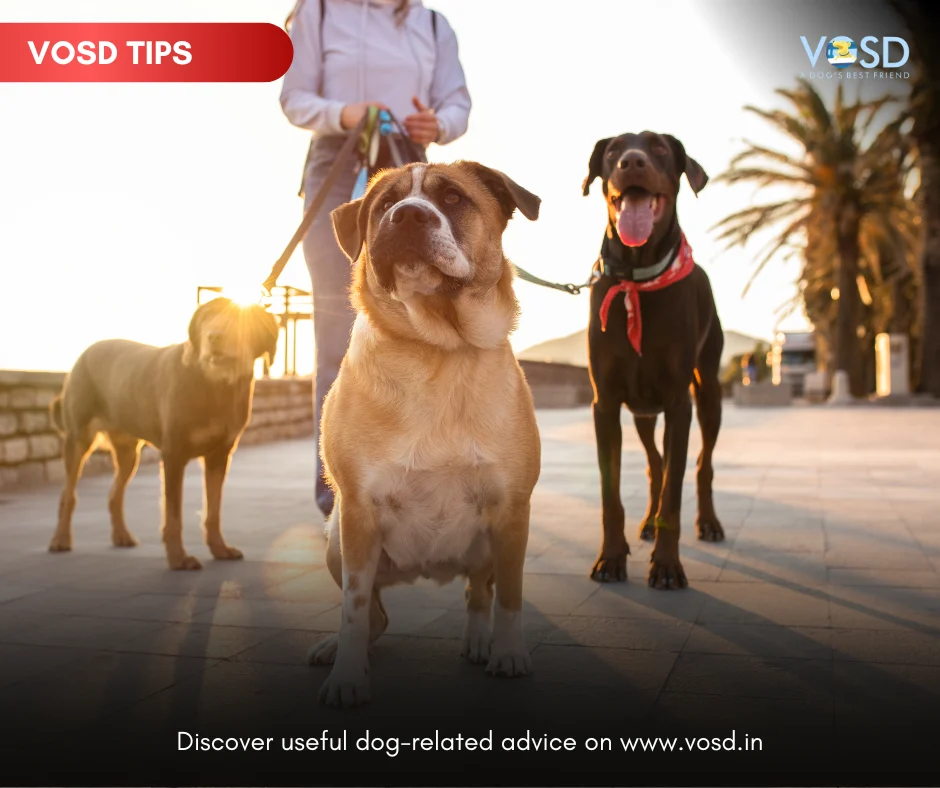
Heat does not announce itself before it becomes dangerous.
One moment, a dog is walking alongside its owner on a warm afternoon. Twenty minutes later, it is panting so heavily it cannot catch its breath, its gums have turned bright red, and its legs are beginning to give way. By the time most owners recognise what they are witnessing, the process of organ damage may already be underway.
Indian summers are not mild inconveniences for dogs. They are genuine physiological threats. And the gap between a dog that survives the season well and one that does not is almost entirely determined by what its owner knows and does before the crisis arrives.
Why Dogs Struggle to Handle Heat Like Humans Do
Understanding why dogs are vulnerable to heat begins with understanding how they cool themselves, and how limited that mechanism actually is.
Humans sweat. Moisture evaporates from the skin surface across the entire body, releasing heat efficiently and continuously. Dogs do not have this capability. They have sweat glands only in their paw pads, which contribute negligibly to whole-body cooling. Their primary and essentially only cooling mechanism is panting.
When a dog pants, it moves air rapidly over the moist surfaces of the tongue and upper respiratory tract, creating evaporative cooling. This works reasonably well in moderate temperatures with low humidity. In India’s peak summer conditions, with ambient temperatures exceeding 35 to 40 degrees Celsius and high humidity in coastal regions preventing efficient evaporation, panting struggles to keep pace with the heat load the body is accumulating.
Add a thick coat, a flat face that restricts airflow, exercise, or confinement in a poorly ventilated space, and the system becomes overwhelmed entirely.
Subtle Warning Signs Owners Often Miss First
The early signs of heat stress in dogs are easy to dismiss as normal warm-weather behaviour. This is precisely why they matter.
- Excessive panting that is heavier or more sustained than usual for the conditions and does not ease with rest
- Heavy drooling beyond what is normal for the individual dog, often with thicker saliva than usual
- Restlessness and inability to settle, reflecting the dog’s physiological discomfort even when it is not visibly distressed
- Reddened gums and tongue, as blood vessels dilate in an attempt to release heat through the mucous membranes
- Increased thirst and seeking of cool surfaces, including tiles, shaded ground, and water sources
- Mild weakness or reluctance to move, reflecting the early stages of cardiovascular and muscular strain from sustained heat
These signs are the window for intervention. A dog showing early heat stress that is moved to a cool environment, offered water, and allowed to rest will typically recover without lasting harm. A dog whose early signs are missed progresses to a medical emergency.
What Actually Causes Heatstroke in Everyday Situations
Heatstroke does not require exceptional circumstances. It develops in situations that Indian dog owners encounter routinely.
- Hot cars are among the most common and most preventable causes. The interior of a parked car in Indian summer sun can reach 50 to 60 degrees Celsius within minutes, even with windows partially open. A dog left in a car for even a short period under these conditions is at serious risk
- Exercise during peak heat hours, particularly between 11 am and 4 pm during Indian summer, generates internal body heat faster than the dog can dissipate it even in the shade
- Poor ventilation in kennels, cars, or rooms without airflow traps heat and prevents evaporative cooling from functioning at all
- High humidity in coastal cities reduces the efficiency of panting by limiting evaporation, making conditions in Mumbai, Chennai, and Kolkata particularly dangerous during humid summer months
- Lack of shade and water access during any outdoor activity beyond brief, early morning periods
Brachycephalic breeds, including Pugs, French Bulldogs, and Shih Tzus, face heightened risk because their physically restricted airways make panting less efficient from the outset. Overweight dogs, elderly dogs, and dogs with pre-existing cardiac or respiratory conditions are similarly more vulnerable.
Related Videos


How Heatstroke Damages the Body
The mechanism through which heatstroke causes organ damage explains why speed of response is so critical.
When the body’s core temperature rises beyond approximately 40 to 41 degrees Celsius, the normal regulatory systems begin to fail. The cardiovascular system responds by increasing heart rate and dilating blood vessels to move heat to the body surface, but this reduces blood pressure and compromises blood flow to vital organs.
The cells lining the gastrointestinal tract are particularly vulnerable to heat damage. When blood flow to the gut is reduced under heat stress, the gut wall loses integrity and allows bacteria to enter the bloodstream, triggering systemic inflammatory responses that accelerate the cascade of organ failure.
The kidneys, liver, brain, and blood clotting systems are all affected as the temperature continues to rise and the inflammatory process progresses. This is why heatstroke survivors frequently face complications, including kidney damage, neurological deficits, and disseminated intravascular coagulation, even after their temperature has been brought down. The damage is not reversed by cooling. It is only prevented by cooling before it occurs.
A detailed clinical overview of this progression is available through VOSD’s dedicated guide on heatstroke in dogs, which covers diagnosis, treatment protocols, and recovery management in clinical depth.
Sunburn in Dogs: The Risk Most Owners Do Not Consider
While heatstroke dominates the summer safety conversation, sunburn is a genuinely significant risk that receives far less attention.
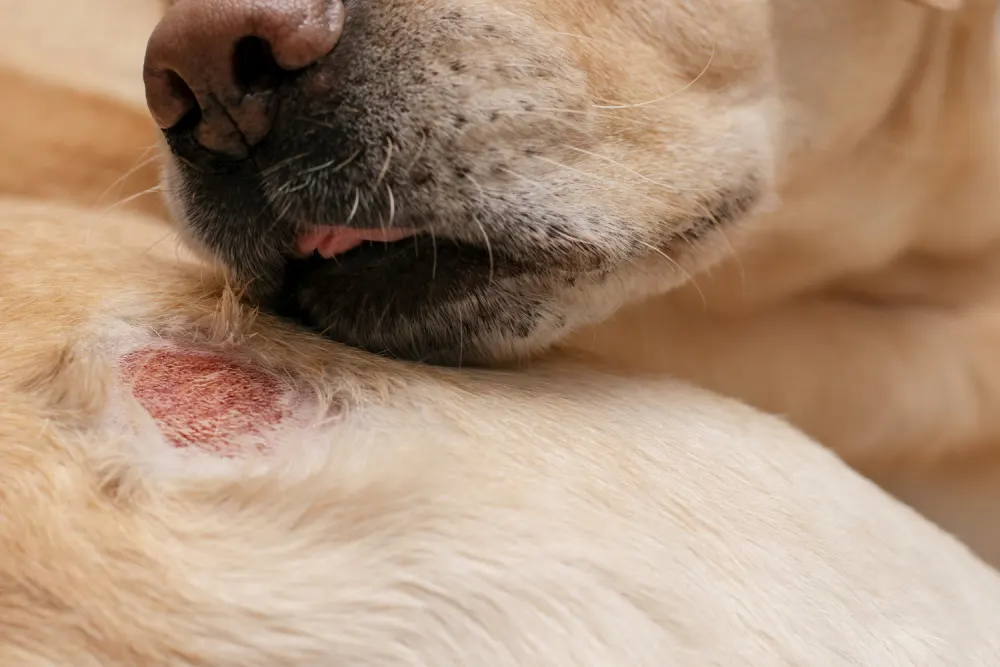
Dogs with short, thin coats, light-coloured or white fur, and areas of exposed or lightly pigmented skin are vulnerable to UV-induced skin damage from direct sun exposure. The areas most commonly affected include the nose, ear tips, belly, and the skin around the eyes.
Signs of sunburn in dogs include:
- Redness and tenderness of exposed skin areas
- Dry, flaking, or peeling skin, particularly on the nose and ear edges
- Blistering in severe cases
- The dog showing discomfort or sensitivity when the affected areas are touched
Repeated or severe sunburn increases the risk of squamous cell carcinoma, a form of skin cancer, in chronically sun-exposed areas. This is not a hypothetical long-term risk in Indian conditions, where UV intensity is high and sun exposure is a daily reality for dogs that spend time outdoors.
Prevention involves limiting sun exposure during peak UV hours, providing shade, and in vulnerable dogs with light pigmentation, veterinarian-approved dog-safe sunscreen applied to exposed areas.
Heat Stress, Heat Exhaustion, and Heatstroke: Understanding the Stages
Not every heat-related event is a full medical emergency, but every stage requires a response.
Heat stress is the earliest stage, where the body is working harder than normal to maintain its temperature but has not yet been overwhelmed. The signs are the subtle early indicators described above. Intervention at this stage, moving the dog to a cool environment and offering water, is typically sufficient.
Heat exhaustion represents a more advanced state where the cooling mechanisms are struggling significantly. The dog shows weakness, heavy continuous panting, excessive drooling, disorientation, and early cardiovascular signs. Prompt cooling and veterinary assessment are required at this stage.
Heatstroke is a medical emergency. Body temperature has exceeded the threshold at which organ damage begins. Signs include collapse, seizures, vomiting, diarrhoea, very red or pale gums, complete disorientation, and loss of consciousness. This requires immediate emergency veterinary care. Home management alone is not sufficient.
The distinction matters because the appropriate response differs between stages, and owners who can identify the stage they are dealing with will take the right action rather than either under-responding to a serious situation or over-reacting to a manageable one.
Immediate Care Steps That Can Save a Dog’s Life
If a dog is showing signs of heat exhaustion or heatstroke, the actions taken in the first few minutes significantly influence the outcome.
- Move the dog immediately to a cool, shaded, well-ventilated environment or into air conditioning
- Apply cool water to the dog’s body, particularly the neck, armpits, groin, and paws. The water should be cool, not cold or iced. Applying ice or very cold water causes peripheral blood vessels to constrict, which traps heat in the body’s core and worsens the situation
- Fan the dog while applying water to enhance evaporative cooling
- Offer small amounts of cool water to drink if the dog is conscious and able to swallow. Do not force water into the mouth of a dog that is disoriented or unconscious
- Do not leave the dog unattended while cooling is in progress
- Get to a veterinarian as soon as possible, even if the dog appears to be recovering. Internal organ damage may not be visible externally, and veterinary assessment is needed to evaluate the extent of any harm
Daily Prevention That Actually Works in Indian Summers
The summer safety practices that make the greatest difference are not complicated. They are consistent.
- Time outdoor activity carefully. Walk dogs in the early morning before 8 am or after sunset when temperatures and UV intensity are significantly lower. Avoid all vigorous outdoor exercise between 11 am and 4 pm during peak summer months
- Check the pavement temperature before walking. Asphalt absorbs and retains heat to temperatures that can burn a dog’s paw pads significantly above ambient air temperature. If the pavement is too hot to hold your hand on for five seconds, it is too hot for the dog’s paws
- Ensure constant access to fresh, cool water at all times. Dehydration accelerates heat stress dramatically. Multiple water points around the home ensure the dog is never more than a few steps from hydration
- Provide adequate shade for any dog spending time outdoors. Shade alone does not prevent heatstroke when the ambient temperature is high, but direct sun exposure accelerates heat accumulation substantially
- Groom appropriately for the season. While shaving double-coated breeds is generally not recommended as the coat provides insulation in both directions, removing mats and excess coat through regular grooming improves airflow
Related Products

Summer vs Normal Conditions: What Changes for Your Dog
| Factor | Normal Conditions | Indian Summer |
|---|---|---|
| Walk timing | Morning or evening | Early morning only |
| Hydration need | Regular | Increased significantly |
| Pavement risk | Low | High, especially midday |
| Shade requirement | Helpful | Essential |
| Panting frequency | Normal activity-related | Monitor carefully |
| Heatstroke risk | Low | High, especially for vulnerable breeds |
What Happens If Heat Exposure Is Ignored
The progression from unmanaged heat stress to fatal heatstroke can occur within thirty to sixty minutes in severe conditions.
- Seizures develop as the brain is affected by rising temperature and the inflammatory cascade
- Organ systems begin to fail in sequence as blood flow is compromised and the inflammatory process progresses
- The blood’s clotting system can be disrupted, leading to uncontrolled bleeding internally
- Death from multi-organ failure is the endpoint of untreated severe heatstroke
These are not outcomes that require exceptional circumstances in Indian summer conditions. They can develop during a routine walk timed poorly, during an afternoon in a garden with insufficient shade, or during any period of confinement in a poorly ventilated space.
The preventive measures above are not excessive caution. They are the minimum required to manage a genuine seasonal risk.
When to Stop Home Care and See a Vet Immediately
Home cooling measures are appropriate first aid, but they are not a substitute for veterinary assessment in any dog showing moderate to severe heat-related signs.
See a veterinarian without delay if the dog:
- Does not show clear improvement within ten to fifteen minutes of cooling measures
- Shows any signs of collapse, extreme weakness, or inability to stand
- Is vomiting or has diarrhoea alongside heat signs
- Shows any neurological signs, including disorientation, circling, or seizures
- Has gums that are very pale, very red, or a greyish-white colour
- Is a brachycephalic breed, elderly, overweight, or has a known health condition, as these dogs deteriorate faster and require earlier veterinary intervention
The thirty-minute rule is a useful guide. Any dog that has not clearly stabilised within thirty minutes of initial cooling measures requires veterinary care, regardless of how the situation appears at that point.
For comprehensive guidance on summer care and broader seasonal health considerations, the Pet Advice section of VOSD’s resource library and the VOSD Blog cover the full range of practical topics relevant to keeping dogs healthy through India’s most challenging season.