Coconut Is Natural, But Is It Actually Safe for Your Dog?
In India, coconut is everywhere.
It is in the cooking, in the rituals, in the snacks, and on the kitchen counter on most days. When you are breaking open a fresh coconut or scraping out the flesh, your dog is probably right there, curious and hopeful as always.
And because coconut feels natural, wholesome even, sharing a piece feels completely harmless.
But here is what most dog parents do not realise. Natural does not automatically mean safe. And even when something is safe in small amounts, it can cause real harm when given too freely or in the wrong form.
Coconut sits in a category that requires more thought than most people give it. This article gives you the complete, honest picture.
Can Dogs Eat Coconut? The Clear Veterinary Answer
Yes, dogs can eat fresh coconut flesh. It is not toxic.
A small piece of fresh coconut given occasionally to a healthy adult dog is unlikely to cause any immediate harm. However, safe is not the same as beneficial, and the line between a harmless treat and a digestive problem is crossed more easily with coconut than with many other foods.
The reason is fat. Coconut is exceptionally high in fat, specifically medium-chain triglycerides. Fat in excess stresses the digestive system, strains the pancreas, and contributes to weight gain. The amount and frequency of feeding make all the difference between an acceptable treat and a recurring health problem.
What Makes Coconut Different From Other Foods
Coconut does not behave like most fruits or vegetables you might share with your dog.
It is dense, calorie-rich, and high in saturated fat. A small amount delivers a significant caloric load compared to, say, a carrot or a blueberry. The fiber content is meaningful, but the fat content dominates the nutritional profile.
This is what sets coconut apart and also what makes it a food that requires more care than it typically gets. In Indian households where coconut is a daily kitchen staple, the risk of casual overfeeding is very real.
Related Videos




Signs Coconut Is Not Suited for Your Dog
After feeding coconut for the first time, watch closely for the following signs.
Loose stools or diarrhea, sometimes oily in texture. Vomiting within a few hours. Visible lethargy or low energy after eating. Bloating or signs of abdominal discomfort. Repeated lip licking or grass eating, which often signals nausea.
These are not signs of toxicity. There are signs that your dog’s digestive system is struggling with the fat content. If any of these appear, coconut is not the right food for your dog, and continuing to offer it will compound the digestive stress.
Why Some Dogs Benefit, and Others React Negatively
Not all dogs process dietary fat the same way.
Dogs with robust digestive systems and no history of gastrointestinal issues tend to handle small amounts of coconut without visible problems. The medium-chain triglycerides in coconut are absorbed relatively quickly and can be used as energy efficiently in a healthy system.
But dogs with sensitive stomachs, a history of pancreatitis, or underlying metabolic conditions are a different story entirely. For these dogs, the high fat content of even a small amount of coconut can trigger an inflammatory response in the pancreas, cause diarrhea, or disrupt a carefully managed diet.
Breed, age, and individual metabolism all play a role. A young, active dog with no health history is not the same as a middle-aged dog that has had one pancreatitis episode.
From Coconut to Energy: What Happens Inside the Body
When your dog eats coconut, the medium-chain triglycerides are broken down differently from long-chain fats found in meat.
MCTs bypass some of the usual fat digestion steps and are absorbed more directly into the bloodstream from the small intestine. They reach the liver quickly and are converted into energy. This is sometimes cited as a reason why coconut can be beneficial, as it provides a fast and relatively efficient energy source.
The problem arises when the amount exceeds what the system can process efficiently. Excess fat that cannot be used for immediate energy still needs to be processed by the liver and ultimately stored. When fat arrives faster than the liver and pancreas can manage it, the result is gastrointestinal upset and, in repeated or large exposures, pancreatic inflammation.
This is why portion size is not a guideline with coconut. It is a clinical boundary.
Potential Benefits of Coconut When Used Correctly
When given appropriately, coconut does offer some genuine benefits worth acknowledging.
The MCTs in coconut have shown mild antimicrobial properties in some studies. Coconut oil applied topically has a well-established reputation for supporting skin hydration and coat condition in dogs, and some of this benefit extends to dietary consumption as well. The fiber in fresh coconut flesh supports bowel regularity in small amounts.
However, the evidence for significant health benefits from dietary coconut in dogs is limited. Most of what people attribute to coconut, such as immune support, coat improvement, and energy enhancement, can be achieved more safely and with stronger evidence through better-supported dietary choices like fish oil and a complete, balanced diet.
Coconut can play a small supporting role in a varied diet. It is not a supplement or a health food in any meaningful clinical sense.
When Coconut Can Cause More Harm Than Good
The risk profile of coconut becomes significant quickly when feeding moves beyond occasional small amounts.
High-fat intake is the primary driver of pancreatitis in dogs. Pancreatitis is an intensely painful and potentially life-threatening condition in which the pancreas becomes inflamed. Dogs that have experienced it once are at significantly higher risk of recurrence, and dietary fat is one of the most direct triggers.
Beyond pancreatitis, frequent coconut feeding contributes to obesity, which brings its own cascade of health consequences, including joint damage, cardiovascular strain, diabetes risk, and reduced life expectancy. Understanding and managing these risks is central to general dog care that prioritises long-term health over short-term treats.
Different Forms of Coconut: What Is Safe and What Is Not
This distinction matters enormously.
Fresh coconut flesh in small pieces is the safest form. Plain and unprocessed, it carries the risks outlined above but without additional harmful ingredients.
Coconut oil in very small amounts is sometimes used as a coat supplement, but it is essentially pure fat. Even a teaspoon added daily adds significant caloric and fat load to a dog’s diet. Use it rarely and with awareness.
Coconut water in small amounts is relatively low in fat and can be hydrating. However, it does contain natural sugars and should not replace water or be given in large quantities.
Sweetened desiccated coconut is an unequivocal no. The added sugar, preservatives, and concentrated form make it inappropriate for dogs entirely. The same applies to coconut-flavored products, coconut milk, and any processed food that lists coconut among its ingredients alongside sweeteners or artificial additives.
How Much Coconut Is Actually Safe for Dogs
For a medium to large dog, a small piece of fresh coconut flesh, roughly a tablespoon, given a few times a week at most, is a reasonable upper limit.
For small dogs, portions should be even smaller, closer to a teaspoon. For any dog with a history of pancreatitis, obesity, or digestive sensitivity, the answer is none at all.
Treats and additions of all kinds should not exceed ten percent of your dog’s daily caloric intake. Coconut, with its high fat density, reaches that ceiling faster than most other treats. One small piece is a treat. A handful is already a problem.
Best Way to Introduce Coconut Safely
As with any new food, begin with a very small amount.
Offer a piece no larger than a centimetre for a medium-sized dog. Wait 24 hours. Observe stool quality, energy levels, and general behaviour. If all is normal, you can offer a similarly small amount on a future occasion, not the following day.
The goal is not to build up to daily feeding. The goal is to establish that your individual dog tolerates coconut without digestive consequence, so that the occasional piece can be a harmless addition to a varied treat rotation.
If you notice any of the warning signs described earlier, stop immediately and do not retry.
What Improves or Worsens Coconut Tolerance
Gut health is the single biggest factor in how well a dog handles coconut.
A dog with a healthy, balanced gut microbiome and no history of digestive issues will manage the fat content of small coconut pieces far more effectively than a dog with chronic loose stools or a history of gastrointestinal inflammation.
Body weight matters too. An overweight dog is already carrying metabolic stress. Adding a high-fat food to their diet, even in small amounts, works directly against health goals. Active, lean dogs at a healthy weight have more metabolic room to handle occasional fat-rich treats.
Underlying conditions are the most critical factor. If your dog has been diagnosed with pancreatitis, hyperlipidemia, or liver disease, coconut of any kind should be discussed with your vet before it comes anywhere near their bowl. For guidance on specific conditions, the dog medical conditions section provides detailed, vet-reviewed information.
Related Products
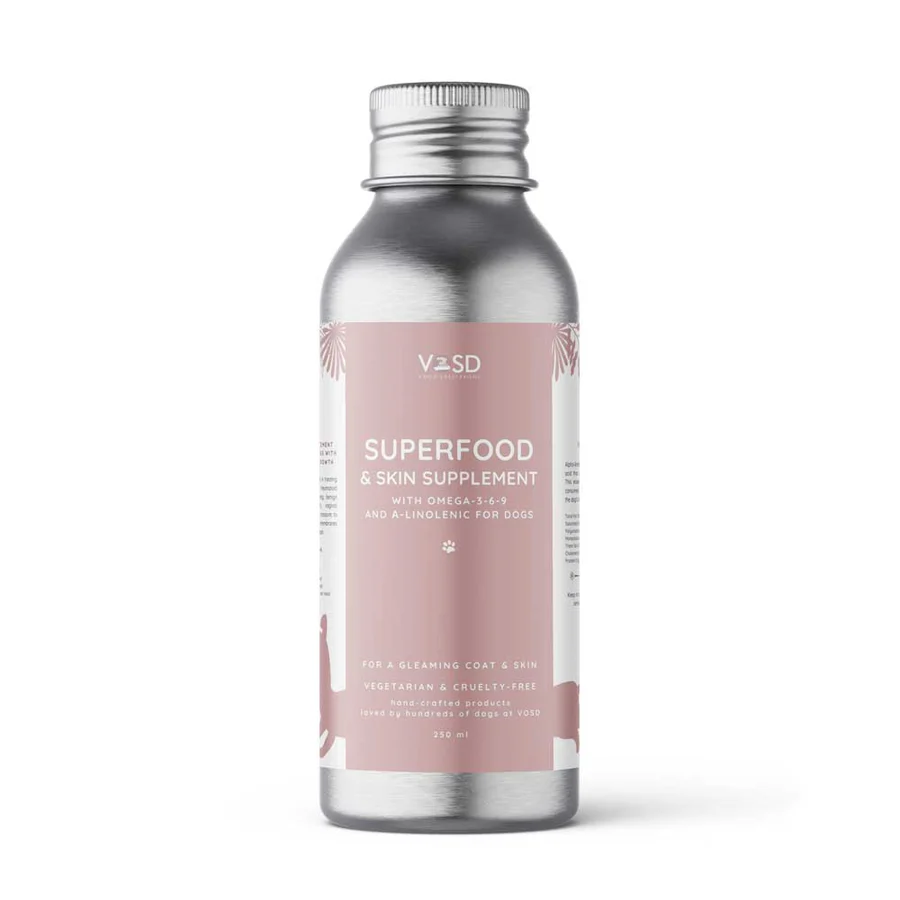
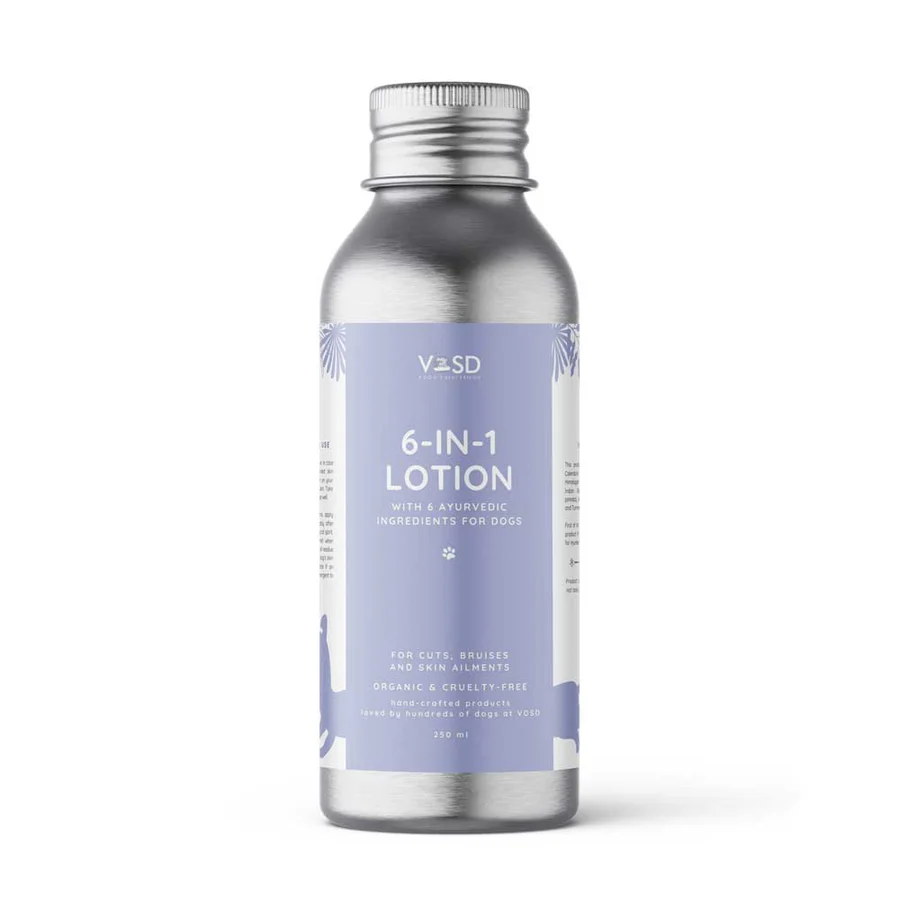
Coconut vs Other Healthy Fats: Which Is Better?
When comparing coconut to other dietary fat sources for dogs, the picture becomes clear.
Fish oil is the gold standard for healthy fat supplementation in dogs. It is rich in omega-3 fatty acids, specifically EPA and DHA, which have strong clinical evidence supporting joint health, cardiovascular function, coat quality, and anti-inflammatory effects. The evidence base for fish oil in dogs far exceeds that for coconut.
Animal fat from lean meat sources like chicken or lamb provides the saturated fats dogs naturally metabolise well, embedded in a protein-rich food that delivers broader nutritional value.
Coconut’s MCTs are interesting but not irreplaceable. If you are looking to support your dog’s coat, reduce inflammation, or improve joint health, fish oil will serve those goals more effectively and with less risk to the pancreas.
When Coconut Becomes a Risk Factor
The problems with coconut are predictable and dose-dependent.
One small piece occasionally: unlikely to cause problems in a healthy dog. A few tablespoons in a single sitting: likely to cause diarrhea or vomiting within hours. Daily feeding over weeks: contributes to weight gain and, in susceptible dogs, sets the stage for pancreatitis.
The risk is not dramatic with appropriate portions. It becomes dramatic when appropriate portions are ignored or when a dog that should not be eating coconut at all is given it regularly because it seems natural and harmless.
Emergency Signs After Feeding Coconut
Most reactions to coconut are uncomfortable but not emergencies. Diarrhea and vomiting that resolve within 24 hours typically indicate digestive upset rather than a crisis.
However, seek immediate veterinary care if you observe severe, continuous vomiting that does not stop. A rigid, painful, or visibly swollen abdomen. Complete refusal to eat or drink combined with lethargy. Signs of severe weakness or an inability to stand. These symptoms can indicate acute pancreatitis or gastric distress that requires urgent intervention.
Pancreatitis in particular can escalate rapidly. If you suspect it, do not wait.
When You Should Avoid Giving Coconut Completely
Some dogs should not be given coconut under any circumstances.
Dogs with a history of pancreatitis, even a single episode, are at elevated risk from any high-fat food. Obese dogs, where caloric management is essential, and every treat counts. Dogs with hyperlipidemia, a condition where blood fat levels are already elevated. Dogs with liver disease, where fat processing is already compromised. Puppies, whose digestive systems are still developing, and who have precise nutritional needs that coconut oil does not serve.
The same caution applies when thinking about responsible feeding more broadly. Whether you are caring for your own dog or feeding community animals, the principle holds. For guidance on feeding dogs thoughtfully in different contexts, the resource on feeding stray dogs responsibly covers this well.