
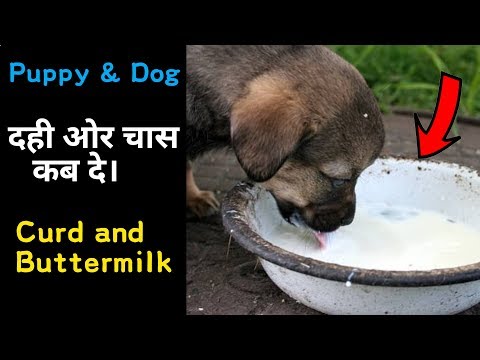
Curd is one of the most commonly fed “extras” in Indian households with dogs.
It gets added to rice, spooned on top of meals, or given as a cooling treat in summer. Most dog parents do it instinctively, the way they would for a child. It feels natural, harmless, and even healthy.
Sometimes it is. Sometimes it quietly causes the very problem you are trying to avoid.
The difference lies not in whether you feed curd, but in how, how much, and whether your dog’s gut is actually equipped to handle it. At VOSD – The Voice of Stray Dogs, we see dogs with chronic loose stools, recurring gas, and unexplained digestive upset, and a well-intentioned daily spoon of curd is often part of the picture.
This is the complete, honest guide to curd for dogs.
Is Curd Actually Safe for Dogs? Let’s Get This Straight
Yes. Plain, unsweetened curd is safe for most adult dogs in moderate amounts.
The important word there is most. Not all dogs tolerate dairy, and even dogs that do have clear limits on how much is beneficial before it starts working against them.
Curd is not toxic. It is not harmful by nature. But it is also not a food that every dog processes the same way, and feeding it without understanding your individual dog’s tolerance is where problems begin.
What Makes Curd Different From Milk for Dogs
Most adult dogs are lactose intolerant to some degree. Their bodies produce limited amounts of lactase, the enzyme needed to break down lactose, the primary sugar in dairy.
Milk is high in lactose. Curd is not.
During the fermentation process that turns milk into curd, live bacterial cultures consume most of the lactose and convert it into lactic acid. This is what gives curd its sour taste and, more importantly, what makes it significantly easier for dogs to digest than fresh milk.
This is why a dog that gets loose stools from milk may tolerate a small amount of curd without any issue. The fermentation has already done the digestive work that the dog’s gut would otherwise struggle with.
That said, fermentation does not eliminate lactose. Dogs with strong lactose sensitivity will still react, even to curd.
Signs Your Dog Is Not Tolerating Curd Well
The body gives clear signals when dairy is not agreeing with it. Watch for these after introducing curd:
Loose stools or diarrhea. The most common and immediate sign of lactose intolerance or gut sensitivity to dairy.
Excessive gas or bloating. Undigested lactose ferments in the large intestine, producing gas. If your dog becomes significantly gassier after curd, that is a direct message. For dogs already prone to this, understanding why your dog is farting and the dietary triggers behind it is worth reading alongside this.
Vomiting. Some dogs reject dairy more forcefully. Vomiting within an hour of eating curd is a clear sign to stop.
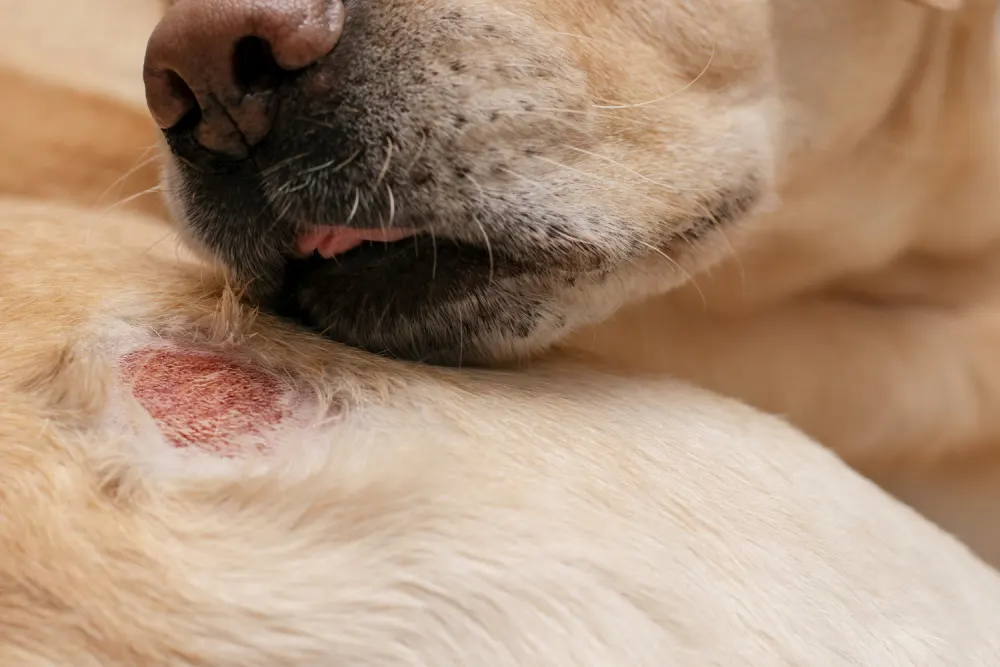
Itching or skin irritation. Less obvious but real, dairy sensitivity in some dogs manifests as a skin response rather than a digestive one.
Lethargy after meals. A dog that seems uncomfortable, restless, or unusually low-energy after eating may be reacting to something in the food.
Related Videos



Why Some Dogs Thrive on Curd While Others Do Not
Two dogs in the same house can respond completely differently to the same amount of curd.
Genetic variation in lactase production plays a role. Some breeds and individual dogs simply produce more of the enzyme than others, making dairy digestion easier from the start.
Gut microbiome health matters enormously. A dog with a diverse, well-balanced gut microbiome handles new or challenging foods far better than one with an already disrupted digestive system. Antibiotics, chronic stress, poor diet history, or previous illness can all compromise microbiome diversity and make curd harder to process.
Underlying food sensitivities or allergies to dairy proteins, casein in particular, are separate from lactose intolerance and cause their own set of reactions, often involving the immune system and showing up as skin or coat issues rather than digestive symptoms.
From Curd to Gut Health, What Actually Happens Inside
This is where curd earns its genuine value, when it works.
Curd contains live probiotic cultures, primarily Lactobacillus strains, that survive the journey through the stomach and reach the large intestine, where the gut microbiome lives. Once there, these bacteria compete with and suppress harmful bacterial strains, contribute to mucus production that protects the gut lining, and support the immune cells concentrated in the intestinal wall.
Approximately 70 percent of a dog’s immune system is housed in and around the gut. When the microbiome is healthy and diverse, immune responses are better regulated, meaning less chronic inflammation, fewer allergic reactions, and faster recovery from illness.
Curd also supports bowel regularity. The lactic acid it contains gently stimulates peristalsis, the muscular contractions that move food through the digestive tract, making it useful for dogs with mild constipation or sluggish digestion.
This is the mechanism behind why curd helps some dogs with upset stomach symptoms. It is not folklore. It is microbiology.
When Curd Helps, And When It Makes Things Worse
Curd is genuinely useful in specific situations. It is also genuinely harmful in others.
When it helps: Mild digestive upset following dietary change or antibiotic treatment, where replenishing gut bacteria is beneficial. As a cooling, palatable addition to food during hot Indian summers. As an occasional calcium source for dogs on homemade diets. As a light, low-stress food during recovery from illness, when the gut needs gentle, easy-to-digest nutrition.
When it makes things worse: In dogs with confirmed lactose intolerance, even fermented dairy causes loose stools. In dogs prone to pancreatitis, full-fat curd is higher in fat than their system can safely handle. In overweight dogs, the additional calories from regular curd feeding contribute to weight gain without proportionate nutritional benefit. In dogs with active diarrhea that has lasted more than 24 hours, at this point, gut rest is more appropriate than adding anything new.
The food is the same. The context is everything.
How Much Curd Is Actually Safe for Your Dog
Portion size is where most well-intentioned feeding goes wrong.
For small dogs under 10kg, one teaspoon of plain curd a few times a week is sufficient. For medium dogs between 10 and 25kg, one to two tablespoons on the same frequency is appropriate. For large dogs above 25kg, up to a quarter cup a few times weekly is a reasonable upper limit.
Curd should not exceed 10 percent of your dog’s daily food intake. It is a supplement to the diet, not a meal component.
Daily feeding over long periods, even in dogs that seem to tolerate it well, is not recommended without veterinary guidance, because consistent dairy intake can shift the gut microbiome in ways that reduce the body’s natural lactase adaptation over time.
Best Way to Introduce Curd Without Causing Upset
If your dog has never eaten curd before, do not start with a full portion.
Begin with half a teaspoon mixed into regular food. Observe for 24 to 48 hours. Watch stool consistency, energy levels, and skin. If there is no adverse response, gradually increase to the appropriate portion for your dog’s size over the following week.
Never introduce curd at the same time as another new food. If a reaction occurs, you need to know what caused it. Introducing multiple new foods simultaneously makes that impossible.
If your dog shows any of the intolerance signs listed earlier, stop immediately and allow the gut to settle before trying again in smaller amounts, or discontinue entirely.
What Happens If You Overfeed Curd
The consequences of overfeeding curd are predictable and uncomfortable for your dog.
Chronic loose stools are the most common result, not dramatic diarrhea, but consistently soft stools that signal the gut is handling more dairy than it can properly process.
Weight gain follows regular overfeeding, particularly in less active or indoor dogs, where curd is given daily as a treat on top of regular meals.
In dogs with a predisposition to pancreatitis, the fat content in full-fat curd can trigger a flare, causing abdominal pain, vomiting, reduced appetite, and lethargy that requires veterinary treatment.
The mistake is almost always a good intention without proper discipline. Curd is beneficial in the right amount. Past that threshold, it is simply excess.
Curd vs Probiotic Supplements, What Works Better?
This is a question worth answering honestly.
Plain curd provides a modest and varied source of live bacteria, primarily Lactobacillus acidophilus and related strains. It is affordable, accessible, and comes with additional nutrients, calcium, protein, and B vitamins, which supplements do not offer.
Veterinary probiotic supplements, on the other hand, contain specific, clinically validated bacterial strains in measured, consistent doses. They are designed to target particular gut conditions, survive stomach acid more reliably, and deliver a known quantity of colony-forming units.
For general gut maintenance in a healthy dog, plain curd is a perfectly adequate and more nutritious choice. For a dog recovering from illness, completing a course of antibiotics, or managing a diagnosed gastrointestinal condition, a vet-recommended probiotic supplement will deliver more targeted and reliable results than curd alone.
The two are not mutually exclusive. They serve different purposes and can be used together under the right guidance.
Related Products
When You Should Avoid Giving Curd Completely
There are situations where curd should not be fed at all.
Puppies under eight weeks have immature digestive systems that are not equipped for dairy beyond their mother’s milk. Even after weaning, introduce curd only after 12 weeks and only in very small amounts.
Dogs with diagnosed pancreatitis should not receive any dairy, as the fat content creates additional strain on an already compromised digestive system.
Dogs with known dairy allergies, as distinct from lactose intolerance, should avoid curd entirely, as the immune response to dairy proteins does not diminish with reduced lactose content.
Dogs currently experiencing active diarrhea or gastrointestinal illness are better served by a bland, minimal diet and veterinary assessment rather than curd as a home remedy. If your dog’s upset stomach symptoms persist beyond 24 hours or worsen, that is a vet conversation, not a diet experiment.
Curd Is a Supplement, Not a Solution
Indian dog parents have fed curd for generations. The instinct is not wrong.
But curd is not medicine. It is not a digestive fix, a meal substitute, or something every dog needs every day. It is one useful, accessible food that does specific things well when fed to the right dog, in the right amount, at the right time.
The dogs at VOSD Sanctuary eat carefully balanced, freshly prepared food every day. When curd is part of that, it is intentional, portioned, and suited to the individual dog receiving it.
That is the standard every dog deserves.
Know what you are feeding, know your dog’s tolerance, and make every spoonful count for something. If you are unsure, a conversation with a vet costs far less than treating a condition that started with a well-meaning bowl of curd given daily for months.