Most people walk into German Shepherd ownership with one image in their head. A loyal, intelligent, strong dog that listens, protects, and bonds deeply with the family.
That image is not wrong. But it is incomplete.
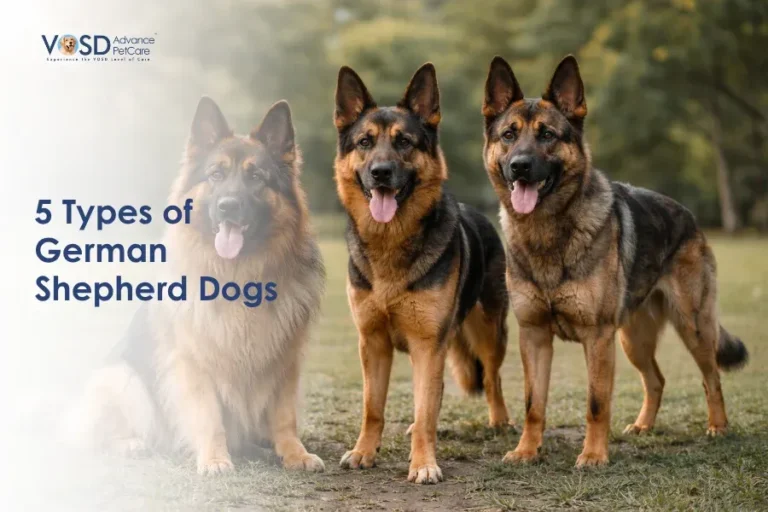
Because here is what nobody tells you: the German Shepherd is not one dog. It is five. Each type comes from a different breeding purpose, carries a different temperament, and demands a completely different kind of owner.
Choose the wrong type, and you will not just struggle. You will watch a brilliant dog become anxious, destructive, or aggressive, not because the dog failed you, but because you were never matched to begin with.
This is the guide that fixes that.
How One Breed Split Into Multiple Distinct Types
The German Shepherd was originally bred in the late 1800s by Captain Max von Stephanitz with one mission in mind: to create the perfect working dog. Intelligent. Obedient. Physically capable. Built for purpose.
Over time, as the breed spread across continents and kennel clubs, two paths emerged. Some breeders kept optimizing for work and performance. Others began breeding for appearance, for shows, for aesthetics. That single fork in the road is what gave us the core classification that defines everything today.
Working line vs show line.
From within those two broad categories, distinct bloodlines developed in specific countries, each shaped by local demands, military use, and climate. That is where the five types come from.
What Defines Each Type, The Core Differences
Before we walk through each type, understand that five parameters separate them.
Energy level, working drive, trainability, physical build, and original purpose. Every comparison you make between these types must come back to these five things. They are not subtle differences. They are fundamental ones.
Type 1: Working Line German Shepherd, Built for Purpose
This is the German Shepherd in its most original, uncompromised form.
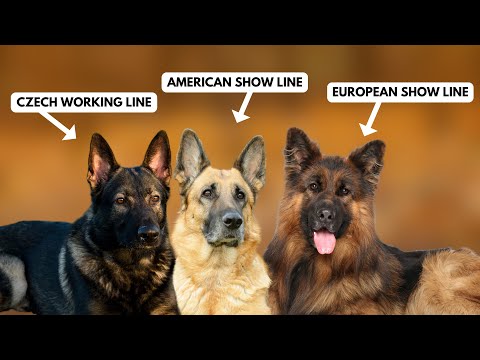
Working line GSDs are bred for performance above everything else. Their bodies are athletic and proportionate. Their minds are constantly switched on. They have what trainers call high drive, which means they need a task, a job, or a challenge at all times. Without it, they create one.
These dogs are the ones you see in police units, military operations, search and rescue teams, and protection sports like Schutzhund. They are not bred to sit on a couch. They are bred to work eight hours a day and still have energy left.
If you are an experienced handler, an athlete, or someone with the time and commitment to train seriously, this dog will be one of the most extraordinary animals you ever share your life with. If you are not, it will overwhelm you completely.
Related Videos


Type 2: Show Line German Shepherd, Built for Appearance and Companionship
The show line GSD was shaped by the kennel club world, where conformation, coat quality, and movement were the selection criteria rather than raw working ability.
The result is a dog that is still intelligent, still loyal, and still very much a German Shepherd, but with a noticeably softer temperament. Show line dogs are calmer, more adaptable, and far more suitable for family life. They do not carry the explosive energy of working line dogs. They can settle in a home environment, bond warmly with children, and respond well to consistent but moderate training.
Their physical appearance is often what most people picture when they think of the breed. Deep tan and black saddle coat, slightly sloped back, and a flowing mane.
For most first-time GSD owners, this is the right starting point.
Type 3: East German (DDR) Line, Strength and Discipline
DDR stands for Deutsche Demokratische Republik, or the German Democratic Republic, also known as East Germany.
These dogs were bred under strict government control during the Cold War era, specifically for military and border patrol work in harsh conditions.
The DDR German Shepherd is built differently. Larger head. Straighter back. Denser bone structure. A dark, rich coat. They were selected not just for drive but for resilience, endurance, and the ability to work in extreme environments without breaking down physically or mentally.
These dogs are powerful trackers and deeply disciplined workers. They form an intense bond with their handler and are fiercely loyal. But they need structure from day one. Without clear leadership and consistent training, their protective instincts can become difficult to manage.
Type 4: Czech Working Line, High Drive and Intensity
The Czech working line came out of the Czechoslovak military’s breeding program, which prioritized functionality above all else. These dogs were never bred for appearance. They were bred to perform.
Compact, agile, and extraordinarily intense, Czech working line GSDs are among the highest-drive dogs in the world. Law enforcement agencies and sport handlers who demand the absolute peak of canine performance often turn to this line.
Their coat is typically darker, often sable or very dark tan, and their structure is tight and muscular. They are not aggressive by nature, but they are relentless. They do not give up on a task. Ever.
This type is not for casual owners. It is for serious handlers who have the skill and the lifestyle to match that energy.
Type 5: American Show Line, The Companion Variant
The American show line is where the German Shepherd moved furthest from its working roots.
Bred primarily within North American kennel clubs for the show ring, these dogs developed a distinctly different look. Longer, more sloped rear angulation. A leaner frame. A calmer, more gentle demeanor than any of the working lines.
They make excellent companion dogs. They are social, affectionate, and far less demanding in terms of exercise and mental stimulation than working line dogs. However, they also tend to have higher rates of certain structural health issues, particularly hip dysplasia, which is something any prospective owner should be aware of before purchasing.
If your primary goal is a loving, manageable family dog, the American show line delivers that experience well.
Energy, Behavior, and Training Needs Across Types
Working lines, both Czech and DDR, need two or more hours of vigorous activity every single day. Mental stimulation through structured training, nose work, or sport is not optional. It is survival for these dogs.
West German show lines and American show lines need regular exercise but can adapt to a moderately active household. A long daily walk, some play, and basic obedience work is enough to keep them balanced.
DDR dogs need firm, experienced handling because their protective instinct is strong and their tolerance for chaos is low.
The biggest mistake owners make is underestimating this gap. A working line GSD in a sedentary home does not just become bored. It becomes a problem.
Side-by-Side Comparison, Which Type Fits You Best?
| Type | Energy Level | Best For | Training Level Needed | Lifestyle Match |
|---|---|---|---|---|
| Working Line | Very High | Experienced handlers, sport | Advanced | Active, structured home |
| West German Show Line | Moderate | Families, first-time owners | Beginner to Intermediate | Most homes |
| DDR Line | High | Experienced owners, protection | Advanced | Structured, disciplined home |
| Czech Working Line | Very High | Law enforcement, sport handlers | Expert | High-activity, professional |
| American Show Line | Low to Moderate | Companion, family | Beginner | Relaxed or moderate home |
Which German Shepherd Should You Actually Choose?
If you are a first-time dog owner or a family with children, the West German or American show line will give you everything you love about this breed without overwhelming you.
If you are an active individual or couple who trains regularly, hikes, or wants to pursue dog sport, the working line will reward your commitment tenfold.
If you need a serious protection dog and have the experience to back it up, the DDR or Czech line is built exactly for that role.
The answer is never just about which dog you find most impressive. It is about which dog your lifestyle can genuinely support.
For more guidance on becoming a responsible dog owner, read our Dog Care Advice and Responsible Ownership section.
Diet and Daily Care Also Shape Their Behavior
Here is something most people miss entirely. A German Shepherd’s temperament is not just shaped by genetics. It is shaped by what you feed it, how you structure its day, and how consistent your care is.
Nutrition directly impacts energy levels, coat health, joint function, and even mood. If you are unsure where to start with your dog’s diet, understanding what foods work and what foods do not is essential. Our guide on whether curd is good for dogs is a helpful starting point for thinking about everyday Indian dietary choices for your pet.
When Their Traits Become a Veterinary Concern
Hyperactivity that does not settle with exercise, anxiety that shows up as constant panting or destructive behavior, joint stiffness in younger dogs, and sudden temperament changes are all signs that something is medically wrong, not just behaviorally wrong.
German Shepherds are prone to hip and elbow dysplasia, degenerative myelopathy, and bloat. Working lines, because of their physical intensity, can develop joint issues earlier if not managed with proper nutrition and appropriate rest.
If you notice any of these signs, do not assume training will fix it. Get a vet assessment first.
Similar Breed Confusions Worth Understanding
If you are still in the research phase of choosing a dog, understanding how similar-looking or similar-sounding breeds actually differ is genuinely useful. Our breakdown of Pomeranian vs Spitz differences is a good example of how these distinctions matter in ways that affect your daily life with the dog.
Final Insight, It Is Not About the Type, It Is About the Match
Every single one of these five types is a brilliant animal. Loyal, intelligent, capable of forming a bond with you that very few other breeds can match.
But brilliance in the wrong environment does not shine. It breaks.
The German Shepherd that spends its life anxious, under-stimulated, or misunderstood is not a bad dog. It is a mismatched dog. And that is entirely a human responsibility, not the animal’s.
Before you choose a type, choose honesty. Be honest about your lifestyle, your experience, your hours, your home, and your long-term commitment. Then choose the dog that fits that life.
That is how you get the German Shepherd you always imagined.