

A Hidden Parasite That Lives Inside, Often Without Warning
Your dog seems fine.
Eating normally. Playing. Sleeping. Nothing obviously wrong.
But inside, something is quietly doing damage. A parasite has taken up residence in the lungs, the bladder, or the intestines, and it has been there long enough to establish itself before your dog showed a single visible sign.
This is how capillariasis works. It is not loud or dramatic in the beginning. It is patient. And by the time the symptoms become obvious enough to act on, the infection has often been developing for weeks.
This is the infection that dog parents miss most often, not because they are careless, but because the early warning signs are easy to dismiss as something less serious. This guide exists to change that.
What Is Capillariasis in Dogs? Understanding the Condition
Capillariasis is a parasitic infection caused by Capillaria worms, a genus of thread-like nematode parasites that infect different organs depending on the species involved.
In dogs, three main species are clinically significant. Capillaria aerophila targets the respiratory tract, specifically the lungs and bronchi. Capillaria plica infects the urinary bladder and sometimes the ureters. Capillaria hepatica, though rarer, affects the liver.
Each species causes a distinct pattern of symptoms, which is one reason this infection is frequently misidentified early on. A dog coughing persistently might be treated for kennel cough. A dog with urinary symptoms might be assessed for a bacterial infection first. The parasite behind both can go undetected through an entire course of the wrong treatment.
Symptoms You Should Not Ignore, Subtle to Severe Signs
The symptoms of capillariasis vary depending on which organ is affected, but there are patterns worth knowing.
For respiratory capillariasis, watch for a persistent cough that does not resolve with standard treatment. Laboured or rapid breathing. Nasal discharge. Exercise intolerance, where your dog tyres more quickly than usual. In advanced cases, wheezing or audible breathing difficulty.
For urinary capillariasis, the signs shift entirely. Frequent urination or straining to urinate. Blood in the urine, which may appear pink or rust-coloured. Discomfort during urination. In some cases, no visible symptoms at all despite active infection.
Across both forms, general signs can include unexplained weight loss, reduced appetite, and a gradual decline in energy that dog parents often attribute to ageing or stress.
Related Videos



Why This Infection Often Goes Undetected
Capillariasis is one of the more diagnostically elusive parasitic infections in dogs.
In its early stages, the worm burden may be low enough that the immune response manages to contain visible symptoms. The dog carries the infection without displaying anything alarming. Mild coughing is attributed to dust or environmental allergies. Occasional urinary changes are dismissed as a minor irritation.
Even when testing is done, Capillaria eggs require specific fecal or urine examination techniques to detect. Without targeted investigation, the infection can persist through general health checks undetected.
This is why knowing the signs and pushing for specific diagnostic testing when something feels off is so important.
How Dogs Get Infected With Capillaria Parasites
The transmission route depends on the species involved, but soil and water are the most common environmental sources.
Dogs typically become infected by ingesting contaminated soil or water containing Capillaria eggs. For some species, earthworms serve as intermediate hosts, carrying infective larvae that dogs then ingest while rooting through soil or eating grass. Dogs that spend significant time outdoors, dig frequently, or drink from outdoor water sources are at higher risk.
The infective eggs are remarkably resilient in the environment. They can survive in contaminated soil for months, which means a dog can pick up an infection from an area used by an infected dog long after that animal has moved on.
Puppies, dogs with compromised immune systems, and those with frequent outdoor exposure are the most vulnerable populations.
From Entry to Infection, What Happens Inside the Body
Understanding the parasite’s lifecycle inside your dog makes the clinical picture much clearer.
After ingestion, the eggs hatch and larvae migrate through the gastrointestinal tract into the bloodstream or lymphatic system. From there, they travel to their target organ, which depends on the specific Capillaria species involved.
In respiratory capillariasis, larvae reach the lungs and bronchi where they develop into adult worms. The worms attach to the mucosal lining, causing irritation, inflammation, and eventual tissue damage. The cough your dog develops is the body’s attempt to clear what it registers as a persistent irritant.
In urinary capillariasis, the adult worms establish themselves in the bladder wall. The resulting inflammation causes the urinary symptoms described above. Eggs are shed in the urine, completing the cycle and creating environmental contamination that can infect other dogs.
Without intervention, the ongoing presence of adult worms causes progressive tissue damage that becomes increasingly difficult to reverse.
Different Types of Capillariasis in Dogs
It helps to understand how these three forms differ clinically.
Pulmonary capillariasis, caused by Capillaria aerophila, primarily presents as a chronic respiratory condition. Dogs cough, tire easily, and in severe cases develop pneumonia-like symptoms. It is sometimes misidentified as tracheobronchitis or allergic airway disease.
Urinary capillariasis, caused by Capillaria plica, presents primarily through the urinary tract. Many dogs with this form have very mild or no symptoms, making it one of the most easily overlooked parasitic infections in veterinary practice.
Hepatic capillariasis, the rarest form, involves the liver and can cause significant organ damage if not detected early. It is less commonly seen in domestic dogs but should be considered in dogs with unexplained liver abnormalities.
For more detail on the clinical presentation of each form, the dedicated VOSD resource on capillariasis causes and treatment provides a thorough breakdown.
How the Disease Progresses Without Treatment
Capillariasis does not plateau. Without treatment, it follows a predictable and damaging trajectory.
In the early stage, the infection is present, but symptoms are mild or absent. The dog appears healthy while the parasite establishes itself and matures.
As the worm burden increases and adult worms cause sustained inflammation, organ-specific symptoms become noticeable. Coughing worsens. Urinary discomfort becomes consistent. The dog begins to lose weight and show reduced interest in food or activity.
In the advanced stage, tissue damage becomes structural. Lung tissue scarring can reduce respiratory capacity permanently. Chronic bladder inflammation can lead to secondary bacterial infections. Secondary infections compound the primary parasite damage and become a separate clinical challenge requiring additional treatment.
Time matters significantly. A dog treated in the early or middle stage of infection recovers well. One treated late may carry lasting consequences.
How Vets Diagnose Capillariasis Accurately
Diagnosis requires targeted testing rather than routine screening, which is why awareness of the possibility is the first clinical step.
For respiratory capillariasis, a fecal examination using a flotation technique can detect Capillaria eggs. Bronchoscopy or airway lavage may be used in cases where fecal results are inconclusive. Chest imaging can reveal characteristic changes in the lung tissue consistent with parasitic infection.
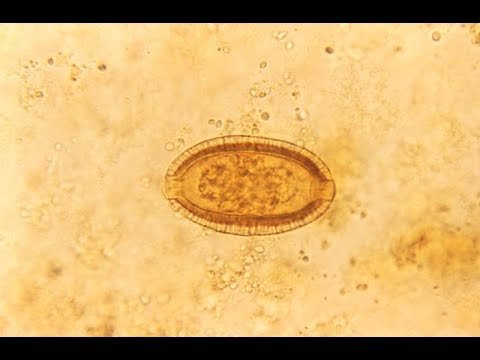
For urinary capillariasis, a urine sediment examination is the primary diagnostic tool. Capillaria plica eggs have a distinctive bipolar plug appearance under the microscope that distinguishes them from other urinary sediment.
In complex or severe cases, blood work assessing inflammatory markers and organ function helps evaluate how extensively the infection has affected the dog systemically.
Telling your vet specifically that you suspect a parasitic cause for the symptoms speeds up the diagnostic process considerably. Pushing for parasite-specific testing when standard results come back inconclusive is often what makes the difference between a correct diagnosis and a prolonged misdiagnosis.
Treatment Options That Actually Work
The good news is that capillariasis responds well to antiparasitic treatment, particularly when caught before significant organ damage has occurred.
Fenbendazole is the most commonly used antiparasitic for Capillaria infections in dogs. Treatment is typically administered over several days to weeks, depending on the severity and form of infection. Your vet will determine the specific protocol based on the diagnostic findings.
Supportive care is often given alongside the antiparasitic medication. This may include anti-inflammatory medication to address the tissue irritation caused by the worms, antibiotics if a secondary bacterial infection is present, and nutritional support for dogs that have lost significant weight.
Follow-up testing after treatment is important to confirm that the infection has been fully cleared. Capillaria eggs can persist in the environment, meaning reinfection is possible without preventive measures in place.
What Happens After Treatment, Recovery Expectations
Most dogs that receive appropriate treatment recover fully, particularly those treated before significant organ damage has occurred.
Respiratory symptoms typically begin to improve within days of starting antiparasitic medication as the worm burden decreases and airway inflammation begins to resolve. Full respiratory recovery may take several weeks in dogs with more established infections.
Urinary symptoms in Capillaria plica infections often resolve completely with successful treatment. Dogs that have blood in the urine or urinary discomfort usually return to normal urinary function within a reasonable recovery period.
Dogs that presented with severe or advanced disease may have some residual changes in affected tissues, but the majority of dogs achieve a good quality of life post-treatment with appropriate monitoring and follow-up care.
Complications If the Infection Is Ignored
Leaving capillariasis untreated carries serious consequences.
Persistent pulmonary inflammation can lead to secondary pneumonia, which carries its own mortality risk. Structural lung changes from chronic infection reduce respiratory capacity in ways that may not fully reverse even after the parasite is eliminated. Chronic urinary inflammation predisposes dogs to recurrent bacterial urinary tract infections. The ongoing immune burden of carrying an active parasitic infection weakens overall immune function, making the dog more vulnerable to other infections and illnesses.
These are not theoretical risks. They are the documented outcomes of infections that progressed because the early symptoms were not recognised or acted upon quickly enough.
Capillariasis vs Other Parasitic Infections, Key Differences
Dog parents often ask how capillariasis compares to more commonly known parasites.
Roundworms and hookworms are intestinal parasites with a wider range of visible gastrointestinal symptoms, including vomiting, diarrhea, and a pot-bellied appearance in puppies. Capillaria, by contrast, targets specific non-intestinal organs and often presents through respiratory or urinary symptoms rather than gut disturbance.
Angiostrongylus vasorum, another lungworm, is often confused with Capillaria aerophila because both affect the respiratory system. The key difference lies in the lifecycle and the specific part of the lung affected. Angiostrongylus affects the pulmonary arteries and can cause coagulopathy, while Capillaria affects the bronchi and nasal passages more directly.
The diagnostic and treatment approaches differ meaningfully, which is why accurate identification of the specific parasite is essential before beginning treatment. For a broader picture of the range of parasitic and other conditions that affect dogs, the dog medical conditions library covers this in depth.
When This Condition Becomes an Emergency
Most capillariasis cases develop gradually rather than as sudden emergencies. But there are presentations that require immediate veterinary attention.
Seek urgent care if your dog is struggling to breathe, showing laboured breathing at rest, or making audible sounds with each breath. These indicate severe respiratory compromise that cannot wait for a scheduled appointment.
Significant blood in the urine, particularly if accompanied by straining, crying out during urination, or inability to urinate, warrants immediate assessment. Complete urinary obstruction is a veterinary emergency.
Extreme weakness, sudden collapse, or loss of consciousness alongside any of the above signs should be treated as a critical emergency requiring immediate hospitalisation.
When You Should Consult a Vet Immediately
Do not wait for symptoms to become severe before seeking veterinary advice.
If your dog has had a persistent cough for more than a week that does not respond to symptomatic treatment, request parasite-specific fecal testing. If your dog is showing repeated urinary abnormalities such as blood in the urine or straining, ask specifically about urinary capillariasis as a possible cause.
If your dog spends significant time outdoors, digs in soil regularly, or has access to areas frequented by other dogs, mention this to your vet as part of the clinical history. Environmental exposure context is a meaningful piece of information in parasite diagnosis.
The VOSD vet advice section contains resources that support dog parents in understanding when to seek professional input and what to ask when they do.