

Ear care is one of those aspects of dog hygiene that tends to be overlooked until there is a visible problem. In our experience with rescued and community dogs in India, ear infections are extremely common and are frequently present for weeks or months before they are addressed. The signs can be subtle at first, and many pet parents are simply not aware that checking and cleaning their dog’s ears should be a routine part of care. Learning how to clean dog ears correctly, and understanding when cleaning is not enough, is a practical and valuable skill for any dog owner in India.
Why Cleaning Your Dog’s Ears Matters
A dog’s ear canal has a different shape to a human’s. It angles downward before reaching the eardrum, which makes it particularly prone to trapping moisture, wax, debris, and the organisms that cause infections. In India’s humid climate, this risk is compounded by the fact that ears do not dry out quickly after bathing or after outdoor exposure to rain and damp ground.
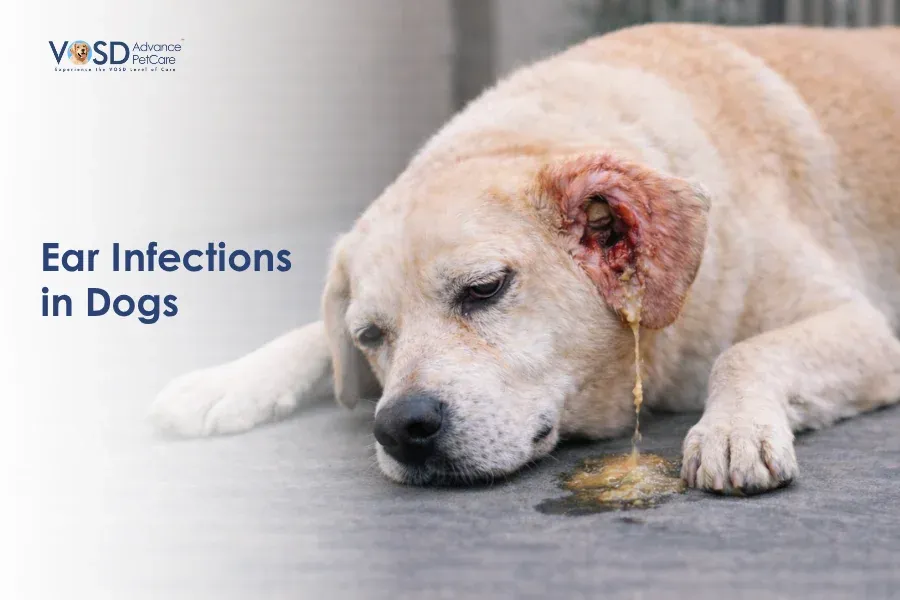
Untreated ear infections cause significant discomfort and, if left long enough, can progress from the outer ear canal to the middle and inner ear. Chronic ear infections can lead to permanent hearing loss and structural changes in the ear canal that make treatment progressively more difficult. By contrast, an ear infection identified early and treated appropriately resolves completely in most cases within one to two weeks.
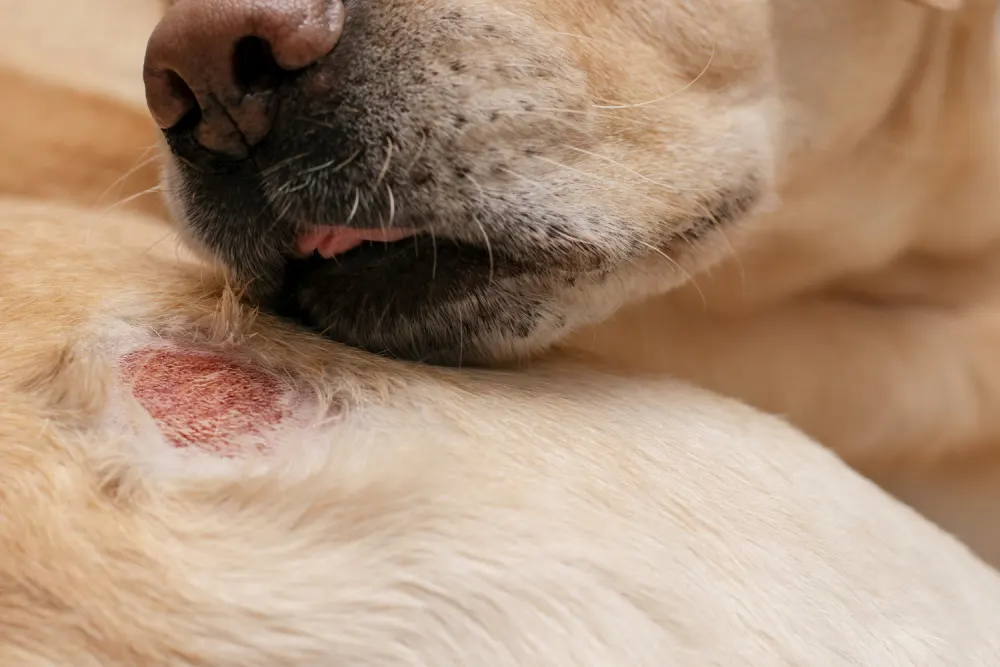
Regular ear care also makes it possible to spot ear mites, ticks inside the ear, and early signs of skin conditions affecting the ear flap, all of which are common in Indian dogs with outdoor exposure.
Common Ear Problems in Dogs
The most frequently seen ear conditions in Indian dogs fall into a few distinct categories, each with its own presentation and treatment needs.
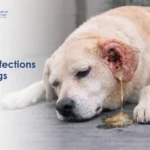
- Otitis externa: Infection or inflammation of the outer ear canal. This is the most common ear problem in dogs and can be bacterial, fungal (yeast), or a combination of both. It is what most people mean when they say their dog has an ear infection.
- Ear mites: Tiny parasites that live in the ear canal and cause intense irritation. More common in puppies and in dogs with contact with other animals, including street dogs. Ear mites produce a characteristic dark, crumbly discharge that resembles coffee grounds.
- Wax build-up: Some dogs, particularly those with narrow or hairy ear canals, accumulate wax more rapidly than others. Excessive wax creates an environment where bacteria and yeast thrive.
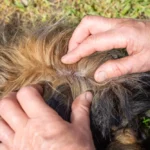
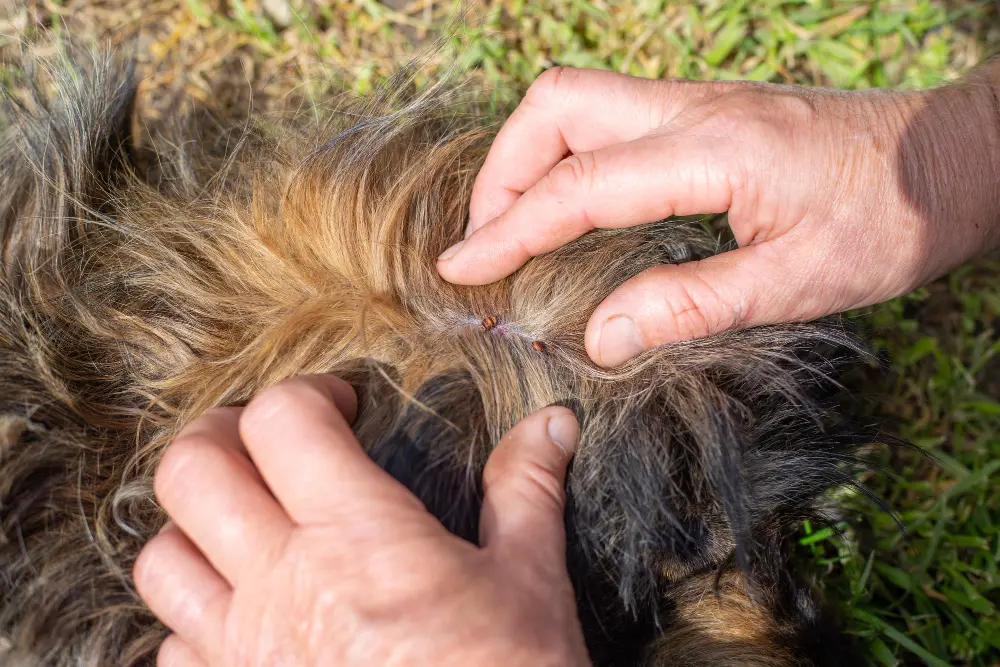
- Ticks in the ear: In India, ticks are frequently found deep inside the ear canal. They are a significant source of irritation and infection risk and require careful removal.
- Haematoma: A collection of blood between the layers of the ear flap, usually caused by vigorous head shaking from an untreated infection. This requires veterinary treatment.
Symptoms of Ear Problems to Watch For
The following signs during or between grooming sessions suggest that your dog’s ears need attention.
- Frequent head shaking or tilting the head to one side
- Scratching at one or both ears persistently
- A noticeable smell coming from the ears, ranging from musty to distinctly foul
- Visible discharge inside the ear, which may be dark brown, yellow, or black depending on the cause
- Redness or swelling of the ear canal opening or the inner ear flap
- Sensitivity or pulling away when the ear area is touched
- Rubbing the ear against the floor, furniture, or other surfaces
- In advanced cases, loss of balance, walking in circles, or apparent hearing loss
Causes of Ear Infections and Ear Issues in Indian Dogs
Understanding why ear problems develop helps in preventing them from recurring after treatment.
- Moisture: The most common contributing factor in India. Dogs whose ears do not dry thoroughly after bathing or rain exposure are significantly more prone to yeast and bacterial overgrowth in the ear canal.
- Allergies: Food allergies and environmental allergies both commonly manifest as recurrent ear infections. If a dog has repeated ear infections despite treatment, an underlying allergy is worth investigating.
- Ear mites: More prevalent in dogs with street or rescue backgrounds, where contact with infected animals is common.
- Anatomy: Floppy-eared breeds such as Cocker Spaniels and Beagles, and dogs with narrow or hairy ear canals, are structurally more prone to poor air circulation and wax accumulation.
- Infrequent cleaning: Dogs whose ears are never cleaned accumulate wax and debris that creates conditions for infection to develop.
- Inappropriate cleaning: Paradoxically, cleaning too frequently or using the wrong products can irritate the ear canal lining and increase infection risk.
How Vets Diagnose Ear Problems
When a dog is brought in for an ear assessment, the vet will examine the outer ear and as far into the canal as is visible with an otoscope. This allows them to see the condition of the canal lining, assess the type and amount of discharge, check for foreign bodies or ticks, and in some cases view the eardrum to assess whether infection has progressed to the middle ear.
In cases where the infection is not responding to initial treatment, or where it recurs frequently, the vet may take a swab sample from the ear canal to send for culture and sensitivity testing. This identifies the specific organism causing the infection and confirms which medication it responds to, allowing a more targeted treatment approach.
Related Videos



Treatment and Prognosis for Dog Ear Infections
| Severity | What It Involves | Treatment | Expected Outcome |
|---|---|---|---|
| Mild (early stage) | Slight redness, mild smell, small amount of discharge | Ear cleaning with vet-approved solution, topical ear drops | Full resolution within one to two weeks |
| Moderate | More discharge, noticeable smell, discomfort on touching | Vet-prescribed medicated ear drops, possibly oral antibiotics | Resolution within two to three weeks with consistent treatment |
| Severe or chronic | Significant discharge, pain, swelling, possible hearing changes | Culture and sensitivity testing, targeted medication, possible ear flush under sedation | Variable; early treatment of each episode prevents progression |
| Ear mites | Dark crumbly discharge, intense scratching | Antiparasitic ear drops for the correct duration; treat all pets in household | Full resolution with complete treatment course |
How Often to Clean Your Dog’s Ears
Cleaning frequency depends on the individual dog’s breed, ear anatomy, lifestyle, and whether they have a history of ear problems.
- For most healthy dogs with upright ears and no history of infections, checking the ears once a fortnight and cleaning when there is visible wax or mild debris is appropriate
- For floppy-eared breeds or dogs prone to recurrent infections, weekly cleaning as directed by your vet is often recommended
- After every bath, gently dry the outer portion of the ear canal with a clean dry cloth or cotton pad and allow the dog to shake their head, which helps move moisture out
- During monsoon months in India, more frequent ear checks are sensible for all dogs due to increased ambient humidity
Over-cleaning is a genuine risk. Cleaning ears that are healthy and do not need it can strip the natural protective wax and irritate the canal lining. If the ears look and smell normal, they do not need to be cleaned at that visit.
Step-by-Step Guide to Cleaning Dog Ears at Home
The following steps apply to routine cleaning of a dog with mild wax accumulation or light debris. If the ear is visibly inflamed, producing a strong smell, or your dog is in evident discomfort, see a vet before attempting to clean the ear at home.
Step 1: Gather Your Supplies
You will need a vet-approved ear cleaning solution, several cotton pads or soft gauze squares, and treats to reward your dog throughout. Do not use cotton buds, as these push debris deeper into the canal and risk damaging the eardrum.
Step 2: Position Your Dog Comfortably
Sit on the floor with your dog settled beside you or between your legs. Having a second person to offer treats and provide gentle reassurance is helpful, particularly for dogs that are not accustomed to ear handling.
Step 3: Apply the Cleaning Solution
Gently lift the ear flap and apply the recommended amount of ear cleaning solution into the canal opening. The bottle or your vet will indicate the correct quantity. Do not insert the nozzle deep into the canal.
Step 4: Massage the Base of the Ear
Fold the ear flap down and gently massage the base of the ear for twenty to thirty seconds. You should hear a squelching sound as the solution moves through the canal and loosens debris. Most dogs tolerate this well and some find it soothing.
Step 5: Allow Your Dog to Shake
Stand back and allow your dog to shake their head. This brings loosened debris and solution up to the canal opening where it can be wiped away.
Step 6: Wipe the Outer Canal
Using a cotton pad, gently wipe the visible portion of the ear canal and the inner ear flap. Use a fresh pad for each wipe and stop when the pad comes away clean. Do not reach deeper than your finger can naturally go.
Step 7: Reward and Repeat on the Other Side
Give your dog a treat and calm praise after each ear. Ending the session positively makes future ear cleaning significantly easier to manage.
Tools and Products You Will Need
The only products required to clean dog ears at home are a vet-approved ear cleaning solution and cotton pads or soft gauze. Ear cleaning solutions are available from veterinary clinics and some pet shops. They typically contain gentle ceruminolytic agents that soften wax, along with a mild disinfectant component.
Avoid the following when cleaning your dog’s ears at home: cotton buds or ear swabs, olive oil or coconut oil without veterinary guidance, homemade solutions using water alone, and any human ear cleaning products, which are formulated for a different ear anatomy and pH.
What Not to Do When Cleaning Dog Ears
- Do not insert anything deeper than you can see into the ear canal
- Do not use cotton buds; they compact debris and risk eardrum injury
- Do not clean ears that are already inflamed, painful, or producing significant discharge without a vet assessment first
- Do not over-clean healthy ears in the belief that more frequent cleaning prevents infections
- Do not ignore a recurring ear smell or discharge and continue cleaning at home without seeking diagnosis
Special Ear Care Considerations for Indian Conditions
India’s climate, particularly during and after the monsoon season, creates conditions where ear infections develop and recur more readily than in drier climates. A few adjustments to the standard ear care routine make a practical difference.
- After any bath or rain exposure, spend a moment drying the outer ear canal with a clean dry cloth before allowing the dog to settle
- During humid months, check ears weekly even for dogs that are normally checked fortnightly
- For indie dogs with upright ears, ear infection risk is generally lower than for floppy-eared breeds, but tick presence inside the ear is more common and should be checked after walks in grass or open areas
- Dogs that swim in ponds, rivers, or are bathed in open areas during festive seasons have higher post-bath ear infection risk and benefit from a prompt ear dry and check afterwards
Related Products


Prevention Tips for Healthy Dog Ears
- Dry the ears gently after every bath as a non-negotiable step in the bathing routine
- Check the ears visually during every grooming session, not just when a problem is suspected
- Address allergies if your dog has recurrent ear infections despite correct treatment, as the underlying cause is likely allergic rather than purely infectious
- Keep fur trimmed around the ear canal opening for breeds prone to hair growing into the canal, which reduces air circulation
- Use appropriate parasite prevention consistently to reduce the risk of ear mites and ticks
When to See a Vet for Ear Problems
Contact your vet promptly rather than continuing home cleaning if your dog shows any of the following:
- A strong, persistent smell from the ear that does not improve after one cleaning
- Visible swelling of the ear flap
- Significant discharge, particularly if it is yellow, green, or bloody
- Clear pain when the ear is touched or when the dog shakes their head
- Any change in balance, head tilt, or apparent hearing
- A tick visible deep inside the ear canal that cannot be safely removed at the surface
Learning to clean dog ears correctly and building it into your regular grooming routine is one of the most practical contributions you can make to your dog’s ongoing comfort and health. In Indian conditions, where humidity and parasite exposure are year-round realities, consistent ear care is not optional; it is part of responsible ownership. With the right approach, most ear problems are prevented before they develop, and those that do occur are identified and treated before they become serious.