

When a dog bleeds from a minor cut and the bleeding simply does not stop, or when unexplained bruises appear on the skin without any obvious injury, it is easy to assume the worst without knowing where to start. In many such cases, the answer lies in the platelets, the tiny blood cells responsible for forming clots and sealing wounds.
Platelet clotting disorders occur when a dog’s platelets are either too few in number or not functioning the way they should. Without enough properly working platelets, the body struggles to stop bleeding, even from minor injuries. This can lead to visible symptoms like nosebleeds and bruising, but also to internal bleeding that is far harder to detect.
These disorders can be inherited or acquired, and they range from mild and manageable to severe and life-threatening, depending on the underlying cause. In this guide, we cover the symptoms pet parents should watch for, the causes behind platelet disorders, how veterinarians diagnose the condition, and what treatment and long-term management look like.
Understanding Platelet Clotting Disorders in Dogs
Platelets are small, disc-shaped cells produced in the bone marrow. When a blood vessel is damaged, platelets rush to the site, clump together, and form a temporary plug that stops the bleeding while the body repairs the vessel wall. It is a fast, precise process that happens automatically every time there is an injury, no matter how small.
When platelet numbers drop significantly (a condition called thrombocytopenia) or when platelets are present in normal numbers but cannot function properly (a condition called thrombocytopathia), this process breaks down. Bleeding becomes difficult to control, and in severe cases, it can occur spontaneously without any external trigger.
Both types of platelet disorders can affect dogs of any age or breed, though certain inherited forms are more common in specific breeds. Understanding which type is present is the foundation of effective treatment.
Symptoms of Platelet Clotting Disorders in Dogs
The signs of a platelet disorder can appear gradually or suddenly, and they vary depending on the severity of the condition and where the bleeding is occurring. Some symptoms are visible on the surface, while others point to internal bleeding that requires immediate veterinary attention.
Common symptoms include:
- Nosebleeds (epistaxis) that occur without injury or take an unusually long time to stop
- Bleeding from the gums or after routine dental procedures
- Petechiae, which are small, pinpoint red or purple spots on the skin, gums, or whites of the eyes caused by tiny blood vessel bleeds
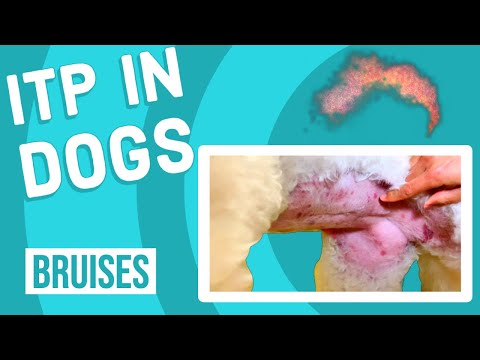
- Bruising that appears without a known cause, particularly on the abdomen or inner thighs
- Blood in the urine (pink, red, or brown-tinged urine)
- Blood in the stool, either visibly red or appearing as very dark, tarry stools
- Prolonged bleeding after any injury, injection, or surgical procedure
- Sudden lethargy, pale gums, or weakness, which can signal significant internal blood loss
If your dog is showing any combination of these signs, this warrants prompt veterinary evaluation. Internal bleeding, in particular, can progress quickly. Blood accumulation in the chest in dogs is one serious complication that can arise when internal bleeding goes undetected.
Causes of Platelet Clotting Disorders in Dogs
Platelet disorders in dogs are broadly divided into two categories: those a dog is born with (inherited) and those that develop due to illness, infection, or exposure to harmful substances (acquired). Acquired causes are more common overall, but inherited disorders are important to recognize in certain breeds.
Inherited Platelet Disorders
Some dogs are born with genetic defects that affect how their platelets form or function. Von Willebrand disease is one of the most well-known inherited bleeding disorders in dogs. It involves a deficiency of a specific protein needed for platelets to stick to damaged vessel walls. Breeds such as Doberman Pinschers, German Shepherds, and Scottish Terriers are among those more commonly affected. Other rarer inherited platelet function defects have also been documented in Otterhounds and Basset Hounds.
Immune-Mediated Platelet Destruction
In this condition, the dog’s own immune system mistakenly identifies platelets as foreign and destroys them. The result is a rapid and sometimes dramatic drop in platelet count. Immune-mediated thrombocytopenia in dogs is one of the most common causes of severely low platelet counts seen in clinical practice. It can occur on its own or alongside other immune-mediated conditions, and it requires specific treatment to suppress the immune response.
Drug or Toxin Exposure
Certain medications, including some antibiotics, anti-inflammatory drugs, and chemotherapy agents, can impair platelet production or function as a side effect. Exposure to rodenticides (rat poison) is a particularly serious cause of bleeding disorders in dogs, as these toxins interfere with clotting at multiple levels. Any new medication should be monitored carefully, and suspected toxin exposure should be treated as an emergency.
Infections and Tick-Borne Diseases
Tick-borne illnesses such as Ehrlichiosis and Rocky Mountain Spotted Fever are well-documented causes of low platelet counts in dogs. These infections directly damage platelets or trigger immune responses that destroy them. In regions where tick exposure is common, these infections should always be on the differential list when a dog presents with bleeding symptoms.
Liver Disease and Systemic Illness
The liver plays a critical role in producing several of the clotting factors that work alongside platelets to form stable blood clots. When liver function is severely compromised, this production is disrupted, and bleeding risk increases even if platelet numbers are normal. Acute liver failure in dogs is a serious condition that can present with bleeding as one of its complications, and it requires urgent medical attention.
Related Videos



Diagnosis of Platelet Disorders in Dogs
Because several different conditions can cause abnormal bleeding, veterinarians use a combination of tests to identify the specific type of platelet disorder and its underlying cause.
Complete Blood Count (CBC): This is usually the first test performed. It gives the total platelet count and provides a broader picture of the dog’s blood health, including red and white blood cell counts that can indicate infection, anemia, or bone marrow problems.
Platelet function tests: These assess whether the platelets present are actually working correctly. A dog can have a normal platelet count but still have a functional disorder where the platelets fail to aggregate properly.
Coagulation profile: This panel tests how well the blood clots overall, including factors beyond just platelets. It helps distinguish platelet disorders from other types of clotting problems.
Bone marrow examination: When platelet counts are persistently low and the cause is not clear from blood tests, a bone marrow biopsy may be performed to assess whether the marrow is producing platelets normally or whether production itself is impaired.
Urinalysis and imaging: If blood in the urine is present, urinalysis helps determine whether the blood is coming from the kidneys, bladder, or elsewhere. Imaging, such as ultrasound, may be used to check for internal bleeding or organ abnormalities.
A thorough diagnostic workup is essential because the treatment for an inherited disorder is fundamentally different from the treatment for an immune-mediated or infectious cause.
Treatment for Platelet Clotting Disorders in Dogs
There is no single treatment for platelet disorders because the approach depends entirely on what is causing the problem. The priority is always to stabilize the dog first, then address the root cause.
Treating the Underlying Cause
When a platelet disorder is secondary to an infection, toxin exposure, or organ disease, treating that underlying condition is the most important step. A dog with tick-borne ehrlichiosis, for example, will typically see platelet counts recover once the infection is treated with appropriate antibiotics. Similarly, removing a causative drug or managing liver disease can lead to gradual improvement in clotting function.
Blood or Plasma Transfusions
In cases of severe or life-threatening bleeding, transfusions provide immediate support. Whole blood transfusions deliver both red blood cells and platelets, while fresh frozen plasma supplies clotting factors. These are not permanent solutions, but they buy critical time while the underlying condition is being treated.
Immunosuppressive Therapy
When the immune system is destroying platelets, treatment focuses on suppressing this abnormal immune response. Corticosteroids such as prednisolone are the most commonly used first-line medication. In cases that do not respond adequately, additional immunosuppressive drugs may be added. This type of treatment requires careful monitoring because suppressing immunity also reduces the dog’s ability to fight infections.
Supportive Care
Alongside specific treatments, dogs with active platelet disorders need careful management to prevent further bleeding. This means strict rest to minimize injury risk, avoiding any unnecessary injections or procedures, and close monitoring for signs of internal bleeding. Regular recheck blood tests are essential to track platelet counts and assess treatment response.
Related Products


Prognosis and Long-Term Management
The outlook for a dog with a platelet-clotting disorder depends significantly on what type of disorder it is and how quickly treatment is started.
Dogs with acquired disorders, particularly those caused by infections or drug exposure, often recover well once the underlying cause is resolved. Platelet counts typically normalize over days to weeks with appropriate treatment, and many dogs go on to live entirely normal lives.
Immune-mediated thrombocytopenia carries a more variable prognosis. Many dogs respond well to immunosuppressive therapy, but relapses are possible, and some dogs require long-term low-dose medication to maintain stable platelet counts.
Inherited platelet disorders are lifelong conditions. They cannot be cured, but they can be managed with careful attention to injury prevention, pre-surgical planning (including informing any veterinarian before any procedure), and prompt treatment of bleeding episodes. Dogs with well-managed inherited disorders can live comfortably for many years.
Complications of Platelet Clotting Disorders
When platelet disorders are not identified and treated promptly, the consequences can be serious and in some cases, irreversible.
Severe anemia: Ongoing blood loss, even in small amounts, depletes red blood cells over time. Dogs can become profoundly anemic, leading to weakness, breathlessness, and organ strain.
Internal hemorrhage: Bleeding into the abdominal cavity, chest, or joints is a major risk in dogs with severely low platelet counts. Internal bleeding is not always visible and can be life-threatening before it is detected.
Organ damage: Prolonged bleeding or hemorrhage near vital organs can cause direct tissue damage. The kidneys, brain, and gastrointestinal tract are particularly vulnerable.
Secondary infections: Dogs receiving immunosuppressive therapy for immune-mediated disorders face an increased risk of bacterial and fungal infections due to a reduced immune response.
Early diagnosis and consistent management are the most effective ways to prevent these complications from developing.
Preventing Platelet Bleeding Disorders in Dogs
Not all platelet disorders can be prevented, particularly those that are inherited. However, several practical steps reduce the risk of acquired disorders and support early detection.
Consistent tick prevention: Using veterinarian-recommended tick preventatives year-round is one of the most effective ways to reduce the risk of tick-borne diseases that can cause platelet destruction. Check your dog for ticks after outdoor activity, particularly in wooded or grassy areas.
Secure household toxins: Keep rat poison, certain pesticides, and other household chemicals completely out of your dog’s reach. These substances can cause severe, sometimes fatal, bleeding disorders.
Monitor medications carefully: If your dog is prescribed a new medication, ask your veterinarian about any known effects on platelet function. Report any unusual bleeding or bruising that develops after starting a new drug.
Regular blood tests: Routine annual blood panels, including a CBC, allow early detection of falling platelet counts before clinical symptoms appear. This is especially valuable in older dogs or breeds known to be predisposed to clotting disorders.
Inform all vets of known disorders: If your dog has a diagnosed platelet disorder, make sure every veterinarian who treats them, including emergency vets and specialists, is aware. This affects surgical planning, anesthesia protocols, and medication choices.















