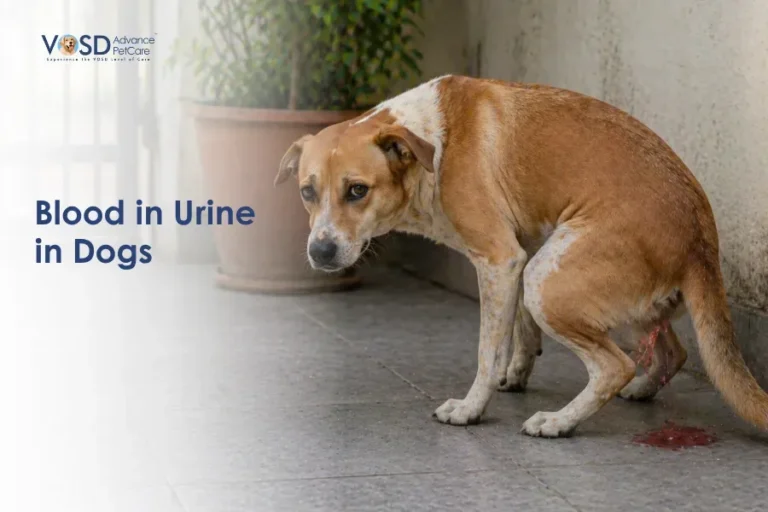
Noticing pink or red-tinged urine from your dog can be alarming, and rightly so. Blood in urine in dogs is one of those symptoms that should never be dismissed as something that will simply sort itself out. It may stem from a straightforward urinary tract infection that responds quickly to treatment, or it may point to something that requires more thorough investigation such as bladder stones, polyps, kidney disease, or even tick-borne illness. The important thing is not to assume the cause before a proper assessment has been done. In India, where tick fever and environmental factors add to an already wide range of possible triggers, getting an accurate diagnosis early is what makes the difference between a quick recovery and a prolonged, complicated illness.
What Does Blood in Urine in Dogs Actually Mean?
The medical term for blood in urine in dogs is hematuria. It is not a disease in itself but a symptom, meaning it is the body’s way of signalling that something is wrong somewhere along the urinary tract, which includes the kidneys, ureters, bladder, and urethra. Blood enters the urine when any part of this system is inflamed, injured, infected, or structurally disrupted in a way that allows red blood cells to leak into the urine stream.
Visible Versus Microscopic Blood
Blood in urine in dogs may be visible to the naked eye, showing up as urine that appears pink, red, or brownish, or it may only be detectable through a laboratory urinalysis when the urine looks normal in colour. Both forms carry the same diagnostic significance. Visible blood tends to draw quicker attention, while microscopic hematuria is often picked up incidentally during a routine urine test for another concern. Either finding warrants follow-up investigation to identify the source.
Symptoms That Often Accompany Blood in Urine in Dogs
Blood in urine in dogs rarely appears as an isolated finding. Most dogs will show at least some accompanying signs that provide useful information about where the problem is originating:
- Frequent, urgent attempts to urinate, often producing only small amounts at a time
- Straining or squatting for extended periods without passing a normal volume of urine
- Licking of the genital area more than usual in response to irritation or discomfort
- Accidents indoors in a dog that is usually reliably house-trained
- Lethargy or a general reduction in energy and engagement with normal activities
- Loss of appetite or reduced interest in food during the acute phase
- Fever, which may be present particularly when infection or tick-borne illness is involved
- Pain or discomfort when the lower abdomen is touched, or a reluctance to be picked up
It is worth noting that some dogs with blood in urine in dogs continue to eat normally and appear relatively bright in the early stages of the condition, particularly when the cause is a mild infection or early stone formation. The absence of obvious distress does not mean the condition can be safely monitored at home without veterinary input.
Common Causes of Blood in Urine in Dogs
Understanding what might be causing blood in urine in dogs helps pet parents communicate clearly with their vet and understand the diagnostic steps that follow.
1. Urinary Tract Infections
Bacterial infections of the bladder are among the most frequent causes of blood in urine in dogs, particularly in female dogs whose shorter urethra makes them more vulnerable to ascending infection. The inflamed bladder lining bleeds easily when irritated, producing visible or microscopic blood in the urine alongside the typical signs of urgency and frequent urination. Most uncomplicated urinary tract infections respond well to an appropriate course of antibiotics, though recurrent infections always warrant further investigation.
2. Bladder and Kidney Stones
Mineral deposits that form within the bladder or kidneys act as persistent irritants, causing bleeding as they move or press against the delicate inner lining. Stones can also partially or fully obstruct urine flow, turning what begins as blood in urine in dogs into a urinary emergency. Diet, water intake, and individual metabolic factors all influence stone formation, and certain breeds are more predisposed than others.
3. Tick-Borne Diseases
In India, tick fever, most commonly caused by Ehrlichia or Babesia species transmitted by tick bites, is a particularly important and often overlooked cause of blood in urine in dogs. These infections affect the blood’s ability to clot normally, leading to bleeding from multiple sites including the urinary tract. A dog with blood in urine in dogs alongside fever, pale gums, lethargy, and a recent history of tick exposure in India should be tested for tick-borne disease as a priority, not assumed to have a simple urinary infection.
4. Trauma
Physical injury from road accidents, falls, or kicks can damage the bladder, urethra, or kidneys directly, causing bleeding into the urine. In rescue dogs with unknown histories or recent injuries, trauma is always worth considering when blood in urine appears alongside other signs of physical injury such as bruising, pain on movement, or gait abnormalities.
5. Bladder Polyps or Tumours
Abnormal growths within the bladder, whether benign inflammatory polyps or, less commonly, malignant tumours such as transitional cell carcinoma, can bleed persistently and cause chronic blood in urine in dogs that does not resolve with antibiotics. These are typically identified through ultrasound and require biopsy for definitive diagnosis.
6. Toxin Exposure
Ingestion of certain toxins, including some rodenticides that interfere with clotting, can cause widespread bleeding including blood in urine in dogs. If a dog has had any potential access to rat poison or other chemical hazards, this information should be shared with the vet immediately as treatment is time-sensitive.
Related Videos





How Vets Diagnose Blood in Urine in Dogs
| Diagnostic Test | What It Identifies | Indian Context |
|---|---|---|
| Urinalysis | Confirms blood, infection markers, crystals, and abnormal cells in the urine | Available at most veterinary clinics; the essential first step |
| Urine culture and sensitivity | Identifies specific bacteria causing infection and guides antibiotic selection | Available through diagnostic labs; advisable in recurrent cases |
| Blood tests including tick fever panel | Checks clotting function, organ health, and screens for Ehrlichia and Babesia | Tick fever testing widely available; highly relevant in Indian context |
| Ultrasound | Visualises bladder wall, stones, polyps, kidney changes, and masses | Available at most urban veterinary clinics; may need referral in smaller towns |
| X-ray | Identifies radio-opaque bladder or kidney stones | Widely available across India |
| Biopsy | Confirms whether a bladder growth is benign or malignant | Performed surgically or via cystoscopy at specialist centres |
Treatment of Blood in Urine in Dogs
Treatment for blood in urine in dogs is always guided by the underlying cause. There is no single treatment that applies across all cases, and attempting to manage the symptom without an accurate diagnosis risks missing a serious condition while the dog’s health deteriorates.
- Antibiotics: Where a bacterial urinary tract infection is confirmed as the cause, a course of antibiotics selected based on the urine culture result is the appropriate treatment. It is important to complete the full prescribed course even if visible blood resolves within a few days, as stopping early often leads to recurrence
- Tick fever treatment: Dogs diagnosed with Ehrlichia or Babesia infection are treated with specific antiparasitic and antibiotic medications, alongside supportive care including fluid therapy and, in severe cases, blood transfusions. Tick prevention going forward is an essential part of long-term management
- Stone management: Depending on the size, type, and location of urinary stones, management may involve a prescription dissolution diet, increased water intake, or surgical removal. Obstructive stones causing urinary blockage require emergency intervention
- Surgical removal of polyps or tumours: Bladder growths confirmed or strongly suspected on imaging are typically removed surgically, with biopsy to determine their nature and guide further management
- Supportive care: Fluid therapy, pain relief, and rest support recovery across most causes of blood in urine in dogs, and are often provided alongside more specific treatments during the acute phase of illness
- Toxin management: Dogs with clotting disorders from toxin ingestion may require Vitamin K therapy or other emergency interventions depending on the substance involved
Related Products


Home Care and Monitoring During Recovery
Once a diagnosis has been made and treatment begun, careful observation at home plays an important supporting role in recovery:
- Observe the colour of your dog’s urine at every opportunity during treatment. Improvement to normal pale yellow urine is a positive sign; worsening redness or the appearance of clots warrants an immediate call to your vet
- Ensure fresh, clean water is available at all times and actively encourage drinking. Good hydration dilutes urine, supports kidney function, and helps flush the urinary tract
- Allow frequent outdoor access for urination rather than expecting the dog to hold a full bladder for long periods during recovery
- Complete all prescribed medications in full. This is particularly important with antibiotics and tick fever treatment, where stopping early risks relapse or resistance
- Keep the area around the dog’s hindquarters clean and dry, particularly if there is any leakage or dribbling during the recovery period
- Avoid allowing the dog to drink from outdoor puddles, open water sources, or communal bowls in parks during recovery and beyond, as these are sources of bacterial contamination
Prognosis: What Pet Parents Should Expect
The prognosis for blood in urine in dogs varies considerably depending on what is causing it. Dogs with simple bacterial urinary tract infections treated promptly and completely recover fully in most cases. Dogs with bladder stones typically do well after appropriate management, though dietary and lifestyle changes are needed to reduce recurrence. Tick fever, when caught early and treated appropriately, carries a good prognosis, though severely affected dogs may need intensive supportive care. Bladder tumours carry a more variable prognosis depending on type and how early they are identified. In all cases, the speed and accuracy of diagnosis are the single most important factors determining how well a dog does.
When to See a Vet Without Delay
Some presentations of blood in urine in dogs require same-day emergency veterinary attention rather than a scheduled appointment:
- Your dog has not passed any urine in 12 hours or more despite repeated attempts to do so
- The urine contains large amounts of blood or visible clots
- Your dog appears extremely lethargic, weak, or is collapsing
- The gums appear pale, white, or bluish rather than a healthy pink colour
- There is visible swelling or pain in the lower abdomen
- Your dog has had access to rodenticide or other toxic substances
Prevention of Urinary Bleeding in Dogs
While not every cause of blood in urine in dogs is preventable, consistent attention to a few key areas meaningfully reduces risk:
- Year-round tick prevention is essential in India, where tick-borne diseases are a significant and year-round risk. Use vet-recommended tick prevention products consistently and check for ticks after outdoor activity
- Encourage consistent hydration by providing fresh, clean water at all times. Dogs that drink well produce dilute urine that is less irritating to the bladder lining and less supportive of crystal and stone formation
- Treat urinary infections promptly and completely rather than waiting for symptoms to worsen or stopping treatment early when the dog appears improved
- Schedule regular veterinary check-ups that include urinalysis, particularly for older dogs, dogs with a history of urinary problems, and breeds known to be prone to stone formation
Blood in urine in dogs is never something to dismiss or delay investigating. Whether the cause turns out to be a straightforward infection or something that requires more involved management, the outcome is almost always better when the problem is identified and addressed early. If you have noticed any change in your dog’s urine colour or urinary habits, a veterinary assessment is the right next step, not a period of watching and waiting at home.