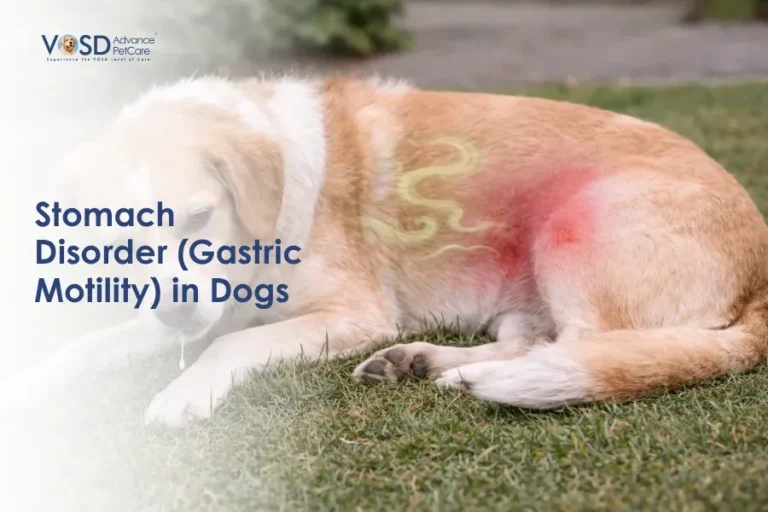
Food is supposed to move. It enters the stomach, gets processed, and passes forward into the intestines within a predictable window. That movement is not passive. It depends on coordinated muscular contractions that the stomach performs continuously and automatically.
When those contractions fail, food does not move forward. It sits. It ferments. It causes discomfort, bloating, and vomiting. And because the stomach is retaining what it should be emptying, the rest of the digestive system is deprived of what it needs to function.
Gastric motility disorder is not an upset stomach. It is a functional failure of the stomach’s core mechanical role, and it can develop into a serious, chronic condition if the underlying cause is not identified and addressed.
What Is Gastric Motility Disorder in Dogs?
Gastric motility disorder refers to impaired movement of the stomach’s muscular walls, resulting in abnormal or inadequate propulsion of food from the stomach into the small intestine. The clinical term for this delay is gastric stasis or delayed gastric emptying.
Under normal conditions, the stomach performs rhythmic, coordinated muscular contractions that grind food, mix it with gastric acid and enzymes, and push it progressively through the pylorus into the duodenum. When this process is disrupted, food is retained in the stomach beyond its normal residence time, producing the characteristic symptoms of the condition.
The disorder can be primary, meaning the problem originates within the stomach itself, or secondary to another systemic or gastrointestinal condition driving the dysfunction.
Symptoms of Gastric Motility Disorder in Dogs
The symptoms of gastric motility disorder are chronic, variable, and frequently overlap with other gastrointestinal conditions. This overlap makes it a diagnosis that is often reached after ruling out other causes rather than being immediately apparent.
Vomiting Undigested or Partially Digested Food
This is the most characteristic sign. A dog that vomits food several hours after eating, when normal digestion should have already cleared the stomach, is showing evidence of delayed gastric emptying. The vomited material may look largely intact or only partially broken down, which is distinctly different from the appearance of vomit from an empty stomach or from more proximal gastrointestinal irritation.
Loss of Appetite
Chronic gastric retention creates persistent fullness and discomfort that suppresses normal appetite. Dogs with motility disorders frequently show reduced interest in food even when they have not eaten for an extended period, because their stomach has not emptied adequately from the previous meal.
Abdominal Bloating and Distension
Retained gastric contents and the gas produced by fermentation of undigested food create visible and palpable abdominal distension. This is not the acute, life-threatening bloat of gastric dilatation and volvulus, but it reflects the same principle of gas accumulation in a stomach that is not emptying normally. Understanding the difference between motility-related distension and the emergency presentation of bloating in dogs is clinically important.
Weight Loss
When the stomach consistently fails to empty properly, nutrient absorption is compromised. Chronic caloric and nutritional deficiency follows, producing progressive weight loss that worsens as the condition continues untreated.
Lethargy
Persistent gastrointestinal discomfort, reduced nutritional intake, and the metabolic consequences of chronic digestive dysfunction all contribute to a dog that appears low in energy and less engaged than normal.
Belching and Abdominal Discomfort
Audible belching, restlessness after meals, and visible discomfort when the abdomen is touched or when the dog lies down reflect the gas buildup and pressure produced by retained and fermenting gastric contents.
Causes of Gastric Motility Disorder in Dogs
Causes fall into two broad categories: idiopathic, where no identifiable cause can be found, and secondary, where the motility dysfunction is driven by another underlying condition.
Idiopathic Causes
In some dogs, gastric motility disorder develops without any identifiable systemic, structural, or pharmacological explanation. The stomach’s pacemaker cells or the neuromuscular coordination responsible for normal contractions fail without an apparent cause. These cases are managed symptomatically and require long-term ongoing treatment.
Neuromuscular Dysfunction
Normal gastric motility depends on coordinated signals between the nervous system and the smooth muscle of the stomach wall. Damage to or dysfunction of the vagus nerve, autonomic neuropathy, or primary smooth muscle disease can all disrupt this coordination and produce delayed emptying.
Electrolyte Imbalance
Potassium plays a direct role in smooth muscle function. Hypokalaemia, abnormally low blood potassium, impairs the contractile capacity of gastric smooth muscle and is a recognized cause of secondary motility dysfunction. This is one reason that blood electrolyte assessment is an essential part of the diagnostic workup.
Systemic Diseases
Hypothyroidism, chronic kidney disease, liver disease, and Addison’s disease (hypoadrenocorticism) are all systemic conditions that can produce secondary gastric motility impairment. In these cases, the motility disorder is a consequence of the primary disease and generally improves when the underlying condition is managed effectively.
Gastrointestinal Conditions
Gastritis, gastric ulcers, and chronic acid reflux can all impair normal gastric motility both through direct inflammation of the gastric wall and through the pain response that inhibits normal muscular activity. The relationship between gastric stasis in dogs and inflammatory GI disease is bidirectional: motility impairment worsens gastric irritation, and gastric irritation further impairs motility.
Medications
Certain medications slow gastric motility as a side effect. Opioid analgesics are among the most common, along with anticholinergic drugs and some antihistamines. When a motility disorder develops in a dog on long-term medication, a pharmacological contribution should always be considered.
Obstruction
A foreign body, tumour, or pyloric stenosis causing physical obstruction at the gastric outlet prevents emptying regardless of normal contractile function. This category requires specific investigation and, typically, surgical intervention. IBS in dogs and other functional gastrointestinal conditions can also produce motility-related symptoms that require differentiation from structural causes.
Related Videos


How Gastric Motility Disorder Develops
The mechanism follows a predictable sequence. Impaired or absent gastric contractions mean food is not propelled toward the pylorus at the normal rate. Food accumulates in the stomach. Bacterial fermentation of the retained material begins, producing gas that distends the stomach. The distension itself further impairs contractile function. The cycle of retention, fermentation, distension, and impaired motility reinforces itself, progressively worsening the clinical picture.
Prolonged retention also allows gastric acid to damage the stomach lining in the absence of the buffering and dilution effect of normal food passage, contributing to gastritis and ulcer formation as secondary complications.
How Veterinarians Diagnose Gastric Motility Disorder
Diagnosis requires a systematic approach because the symptoms overlap significantly with other gastrointestinal conditions, and because identifying the underlying cause is essential for effective treatment.
Blood Tests
A complete blood count and biochemistry panel assess organ function, electrolyte levels, including potassium, thyroid function, and markers of systemic disease. These results identify or rule out the systemic causes of secondary motility dysfunction and guide further investigation.
Imaging (X-ray and Ultrasound)
Abdominal radiographs assess gastric size, the presence of retained food or gas, and whether any structural abnormality or foreign body is contributing to the emptying failure. Ultrasound allows direct visualization of gastric wall movement and thickness, assessment of pyloric function, and evaluation of other abdominal organs.
Barium Study
A contrast radiographic study using barium sulphate tracks the movement of an ingested contrast meal through the stomach and into the intestines. Abnormally slow or absent progression of the contrast material through the pylorus confirms delayed gastric emptying and provides a functional assessment of motility.
Endoscopy
Direct endoscopic examination of the stomach allows assessment of the gastric mucosal lining for inflammation, ulceration, and structural abnormalities. It also allows direct assessment of the pylorus for obstruction or stricture.
Treatment for Gastric Motility Disorder in Dogs
Treatment depends entirely on the underlying cause and the severity of the clinical presentation. There is no universal protocol.
Prokinetic Drugs
Prokinetic medications, including metoclopramide, cisapride, and erythromycin at sub-antibiotic doses, stimulate gastric smooth muscle contractions and accelerate gastric emptying. These are the pharmacological cornerstones of motility disorder management and are used when the condition is either idiopathic or when the underlying cause cannot be fully resolved.
Fluid Therapy
Dogs with gastric motility disorder frequently develop dehydration from reduced intake and persistent vomiting. Intravenous fluid therapy corrects dehydration, restores electrolyte balance, and supports gastric muscle function in acute or severe presentations.
Dietary Modification
Low-fat, highly digestible food fed in small, frequent meals reduces the gastric workload and the volume of material requiring movement at any one time. Liquid or semi-liquid diets are sometimes prescribed in severe cases because fluid moves through the pylorus more readily than solid food. Avoiding high-fat and high-fibre diets removes two of the dietary factors most associated with delayed emptying.
Treating the Underlying Cause
When a specific systemic disease is identified as the driver, treating that condition is central to resolving the motility disorder. Correcting hypothyroidism, managing kidney disease, resolving electrolyte abnormalities, or discontinuing a causative medication can produce significant improvement in gastric function.
Surgery (If Obstruction Is Present)
When a physical obstruction at the pyloric outlet is confirmed, surgical intervention is required. Pyloroplasty or other corrective procedures to widen the pyloric opening are performed in cases of pyloric stenosis. Foreign body removal addresses obstruction from ingested material.
Related Products



Prognosis
The prognosis for gastric motility disorder depends heavily on the underlying cause.
Idiopathic cases are managed rather than cured. Long-term prokinetic medication and dietary management keep symptoms controlled, and most affected dogs maintain a reasonable quality of life with consistent treatment, though flares can occur and lifelong management is typically required.
Secondary cases carry a prognosis that reflects the severity and treatability of the underlying condition. Motility dysfunction driven by a correctable electrolyte imbalance or a resolving infection may fully resolve with treatment of the primary problem. Dysfunction associated with advanced systemic disease carries a more guarded outlook.
Obstruction cases treated surgically before significant gastric damage has occurred generally recover well.
When to See a Veterinarian
Contact your veterinarian promptly if your dog shows any of the following:
- Vomiting food several hours after eating, particularly if this is recurring
- Progressive loss of appetite alongside visible abdominal distension
- Unexplained weight loss in a dog with no recent dietary change
- Chronic lethargy combined with digestive irregularities
- Any acute abdominal distension or signs of severe discomfort
Do not manage recurring vomiting of undigested food with dietary adjustment alone without veterinary assessment. The pattern of symptoms that characterizes gastric motility disorder requires investigation to establish the cause and appropriate treatment.
Preventing Gastric Motility Disorder in Dogs
There is no guaranteed prevention for most forms of gastric motility disorder, particularly idiopathic cases. However, several practical measures reduce risk and support gastric health.
Diet Management
Feed a consistent, high-quality diet with appropriate fat content in regular, measured portions. Avoid large single meals that place unnecessary demands on gastric emptying. Consistent feeding routines reduce the digestive variability that can trigger or worsen motility irregularities.
Avoid Foreign Object Access
Many cases of gastric outlet obstruction, one of the treatable causes of impaired emptying, result from dogs ingesting foreign objects. Supervising access to potential foreign bodies and providing appropriate chew toys reduces this specific risk.
Regular Veterinary Health Checks
Annual health examinations, including blood work, allow early identification of systemic conditions such as hypothyroidism and kidney disease before they have produced secondary complications, including motility dysfunction. Early detection of contributing diseases consistently produces better outcomes than management after established complications have developed.