Dog grooming is one of those things that is easy to put off until a problem appears. In many of the dogs we see, whether pets brought in for check-ups or rescues arriving for the first time, the state of the coat, skin, ears, and nails tells us a great deal about the care the dog has been receiving. Regular dog grooming is not about appearances. It is one of the most practical forms of preventive care available to every pet parent, regardless of budget or experience. This guide walks through what dog grooming involves, how to do it at home, and when to seek help beyond what brushing and bathing can address.
What Does Dog Grooming Include?
Dog grooming covers a broader range of care than many people initially expect. It is not limited to bathing. A complete grooming routine for a dog includes:
- Brushing and coat care: Removing loose hair, detangling, and distributing natural skin oils through the coat
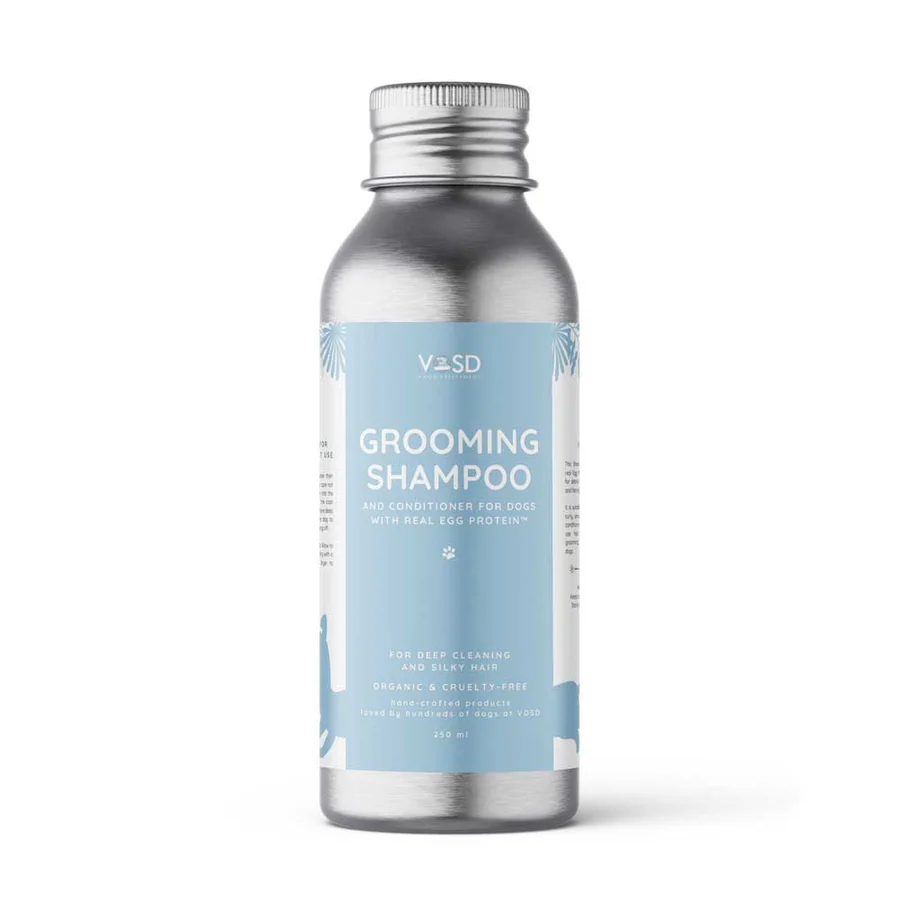
- Bathing: Cleaning the skin and coat using an appropriate dog shampoo
- Nail trimming: Keeping nails at a length that does not affect posture or cause discomfort when walking
- Ear cleaning: Removing debris and checking for signs of infection in the ear canal
- Dental care: Brushing teeth or using dental hygiene products to reduce tartar and prevent gum disease
- Checking for parasites: Looking for ticks, fleas, and skin abnormalities during grooming sessions
Each of these contributes to your dog’s physical comfort and health. Grooming sessions are also an opportunity to notice changes in your dog’s body that might otherwise go undetected until they become significant.
How Often Should You Groom Your Dog?
The right frequency for dog grooming depends on your dog’s coat type, lifestyle, and the Indian climate you are living in. There are no rigid rules, but the following ranges are a practical guide.
| Grooming Task | Short-Coated Dogs | Medium or Long-Coated Dogs |
|---|---|---|
| Brushing | Once or twice a week | Three to five times a week |
| Bathing | Every three to four weeks | Every two to three weeks |
| Nail trimming | Every three to four weeks | Every three to four weeks |
| Ear cleaning | Once a fortnight | Once a fortnight or more frequently |
| Dental brushing | Two to three times a week ideally | Two to three times a week ideally |
Dogs that spend more time outdoors, have contact with street dogs, or live in humid coastal climates may need more frequent bathing and parasite checks. Indian summers and monsoon seasons create conditions where skin problems and tick infestations can develop quickly if grooming is inconsistent.
Symptoms You Should Not Ignore During Grooming
One of the most valuable aspects of regular dog grooming is that it puts you in close contact with your dog’s skin and coat consistently. In many of the dogs we see, early-stage skin issues, infections, and parasite problems were first noticed during routine grooming before the dog showed any obvious discomfort.
Signs to look out for during grooming sessions include:
- Continuous scratching, biting, or licking at specific areas
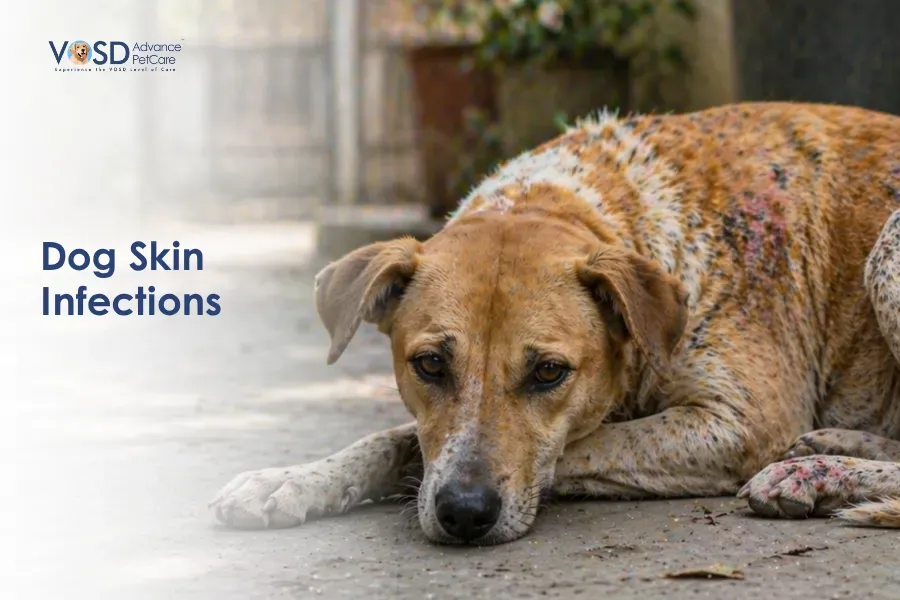
- Red or inflamed patches of skin, particularly in skin folds, under the collar, or between the toes
- Hair loss in patches or generalised thinning of the coat
- A persistent unpleasant odour from the coat or ears that does not resolve after bathing
- Visible ticks, flea dirt (small dark specks on the skin), or scabs
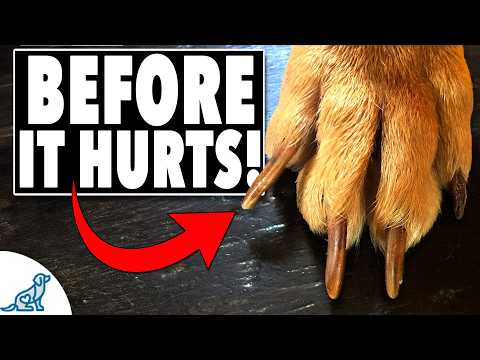
- Thickened, discoloured, or crumbling nails
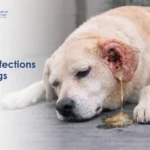
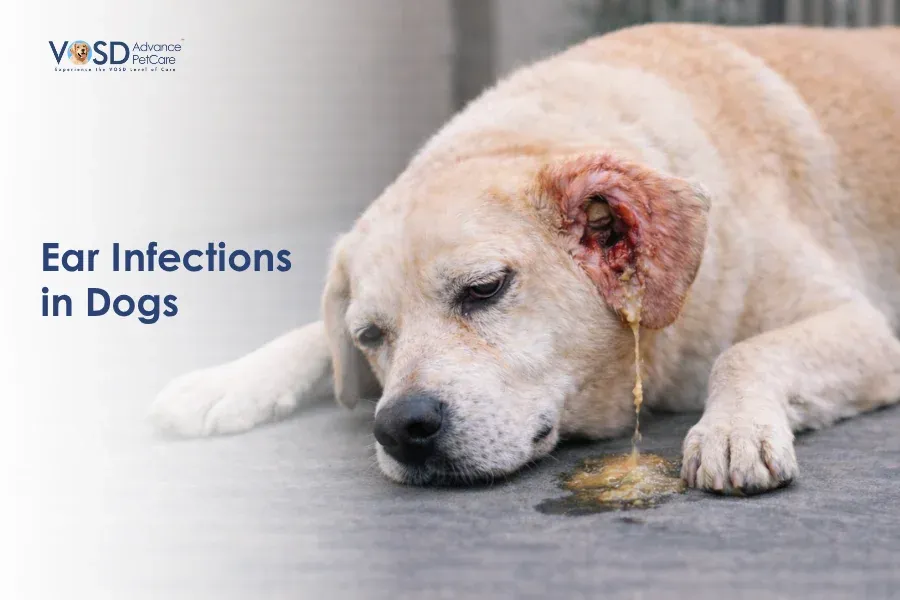
- Discharge or dark debris inside the ears
- Lumps, bumps, or tender areas on the skin that were not present previously
Any of these findings during dog grooming warrants a closer look and, in many cases, a veterinary assessment.
Related Videos



Common Causes Behind Grooming-Related Skin Issues
When dogs develop skin problems that show up during grooming, there is usually an identifiable reason. In Indian conditions, the following causes are particularly common.
- Parasites: Ticks and fleas are extremely prevalent across India, particularly in dogs with outdoor access or contact with street animals. They cause intense itching, skin irritation, and in heavy infestations, anaemia and secondary infections.
- Fungal infections: High humidity during monsoon months creates ideal conditions for fungal skin infections, particularly in breeds with skin folds or thick coats that retain moisture.
- Allergies: Food allergies, environmental allergens such as dust and pollen, and contact allergies from certain plants or surfaces all manifest as itching, redness, and coat changes.
- Poor nutrition: A diet lacking in adequate protein, omega fatty acids, and essential vitamins produces a dull, brittle coat that sheds excessively and is more susceptible to skin problems.
- Infrequent or incorrect grooming: Using human shampoos, bathing too infrequently, or not drying the coat properly after bathing all contribute to skin and coat problems over time.
- Mange: Both sarcoptic and demodectic mange are commonly seen in Indian street dogs and occasionally in pet dogs with weakened immunity. Both cause significant hair loss, itching, and skin thickening.
When to Seek Veterinary Diagnosis
Dog grooming at home handles maintenance and early detection, but it does not replace veterinary assessment when something is wrong. You should consult a vet rather than managing the situation at home when:
- Itching or scratching is severe enough to cause wounds or bleeding
- Hair loss is spreading or accompanied by skin thickening or crusting
- A skin infection appears to be worsening despite basic wound care
- You find a significant number of ticks or signs of a heavy flea infestation
- Your dog appears in discomfort, is not eating, or has developed lethargy alongside the skin changes
- Ear discharge, smell, or head shaking has been present for more than a few days
Treatment and Grooming Support for Skin Problems
When a skin condition is identified, treatment typically involves a combination of veterinary care and adjusted grooming practices. Consistency matters more than the occasional intervention.
Depending on the cause, treatment may include medicated shampoos for fungal or bacterial infections, antiparasitic treatments for ticks and fleas, antibiotics or antifungals prescribed by a vet, dietary improvements to support skin and coat health from the inside, and adjusted grooming frequency to avoid over-drying or under-cleaning the skin.
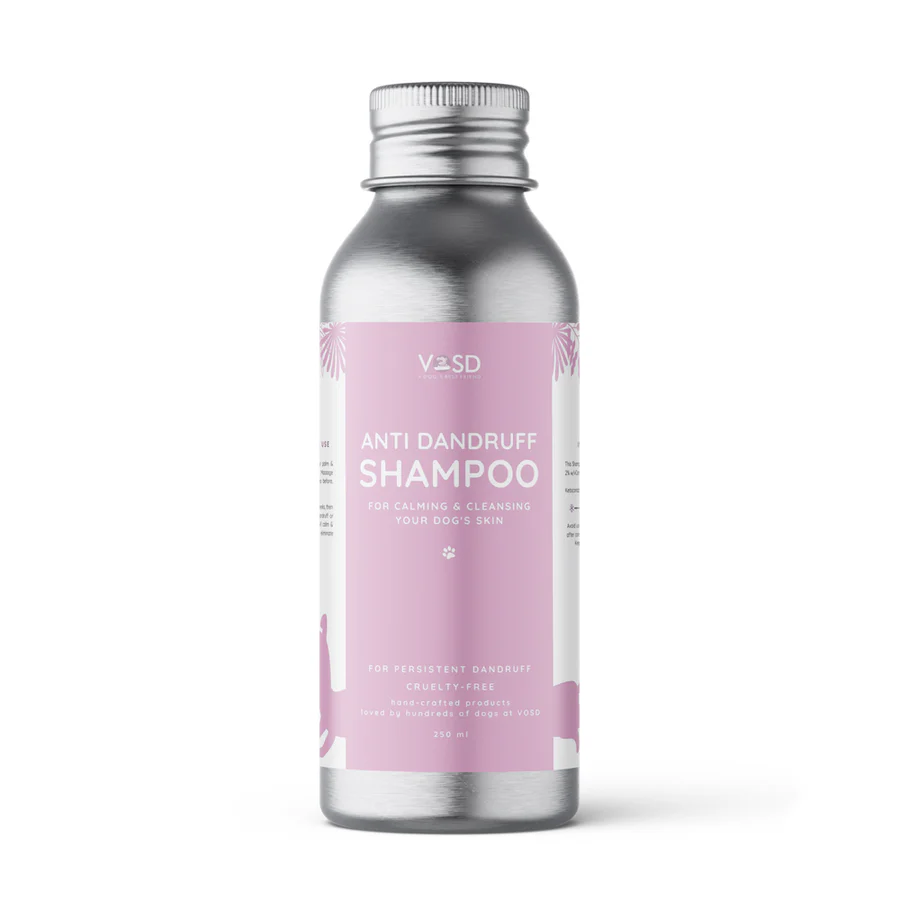
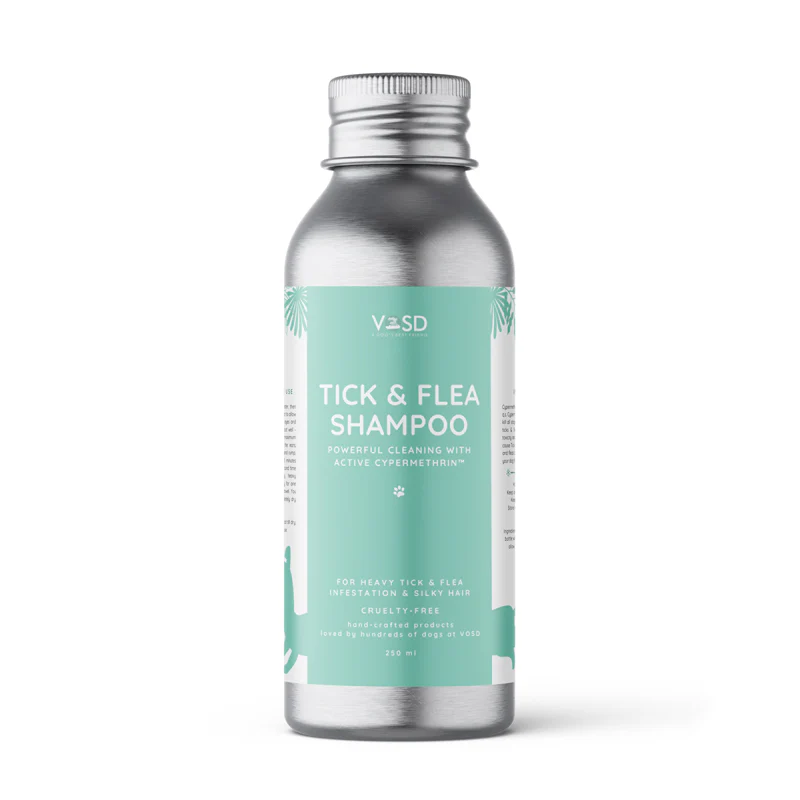
For dogs dealing with dry, flaky skin or a dull coat, a dog-appropriate shampoo that supports skin health makes a practical difference when used consistently as part of the grooming routine. Neem-based products have a long history of use in Indian contexts for managing skin irritation and minor infections, and are well tolerated by most dogs when formulated appropriately.
Related Products


Step-by-Step Home Dog Grooming Guide
For pet parents who are new to grooming at home, a simple and consistent approach works better than an elaborate routine that is difficult to maintain.
Step 1: Brushing Before Bathing
Always brush your dog before a bath to remove loose hair and detangle any knots. Matted fur that gets wet becomes significantly harder to manage. Use a brush appropriate for your dog’s coat type, working in the direction of hair growth from head to tail.
Step 2: Bathing
Use lukewarm water, not cold or hot. Wet the coat thoroughly before applying shampoo. Work the shampoo from the neck downwards, keeping it away from the eyes and ears. Rinse thoroughly, as shampoo residue left on the skin is a common cause of irritation. A second shampoo application is rarely necessary unless the dog is very dirty.
Step 3: Drying
In Indian summers, air drying is often sufficient for short-coated dogs. For medium and long-coated dogs, towel dry thoroughly and follow with a low-heat blow dry if needed, keeping the dryer moving to avoid heat concentration on one area. Do not let a thick-coated dog remain damp for extended periods, particularly during monsoon months, as this encourages fungal growth on the skin.
Step 4: Post-Bath Coat Check
Once the coat is dry, run your hands through it and check the skin surface for any abnormalities, ticks, or areas of redness that may be more visible now that the coat is clean and separated.
Nail, Ear, and Dental Care Basics
Nail Trimming
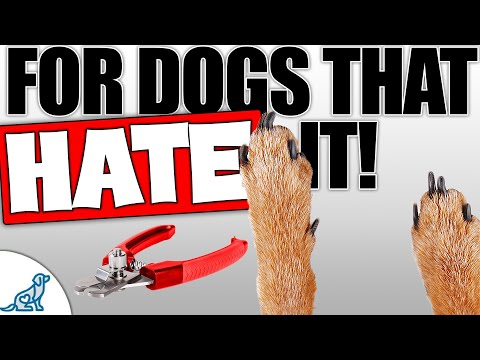
Overgrown nails affect the way your dog walks and can cause joint discomfort over time. Trim nails using a proper dog nail clipper, taking small amounts at a time to avoid cutting into the quick, which is the blood vessel inside the nail. If you are uncertain, ask your vet or groomer to demonstrate the correct technique during your next visit.
Ear Cleaning
Apply a small amount of vet-approved ear cleaning solution to a cotton pad and gently clean the visible part of the ear canal. Never insert cotton buds or any instrument deep into the ear. Check for redness, unusual smell, or dark discharge, as these indicate an infection that requires veterinary treatment.
Dental Care
Dental disease is one of the most common and least addressed health problems in Indian pet dogs. Brushing your dog’s teeth two to three times a week with a dog-specific toothpaste significantly reduces tartar build-up and the risk of gum disease. Start slowly, particularly with a dog that is not used to this, and build up tolerance gradually with positive reinforcement.
Common Dog Grooming Mistakes to Avoid
- Using human shampoo or soap: Human products have a different pH to dog skin and strip the natural protective oils from the coat, causing dryness and irritation.
- Bathing too frequently: More than once a week for most dogs disrupts the skin’s natural oil balance. Stick to the recommended frequency for your dog’s coat type.
- Ignoring ticks after outdoor walks: A quick check after walks in parks, fields, or areas with other animals takes very little time and can prevent a tick infestation from establishing.
- Skipping the ears and nails: These are easy to overlook but contribute significantly to your dog’s comfort and long-term health when maintained consistently.
- Rewarding anxious behaviour: If your dog is stressed by grooming, calm and consistent short sessions are more effective than infrequent long ones. Forcing through a stressful session makes future grooming harder.
Dog Grooming Tips for Indian Conditions
India’s climate presents specific challenges for dog grooming that are worth accounting for in your routine.
- During peak summer, dogs may need more frequent ear checks as heat and humidity increase the risk of ear infections, particularly in floppy-eared breeds.
- Monsoon months require extra attention to drying the coat thoroughly after any exposure to rain, and more frequent checks for fungal skin changes.
- Dogs in urban areas with dust and pollution may benefit from a gentle wipe-down with a damp cloth between baths to reduce skin irritation from environmental particles.
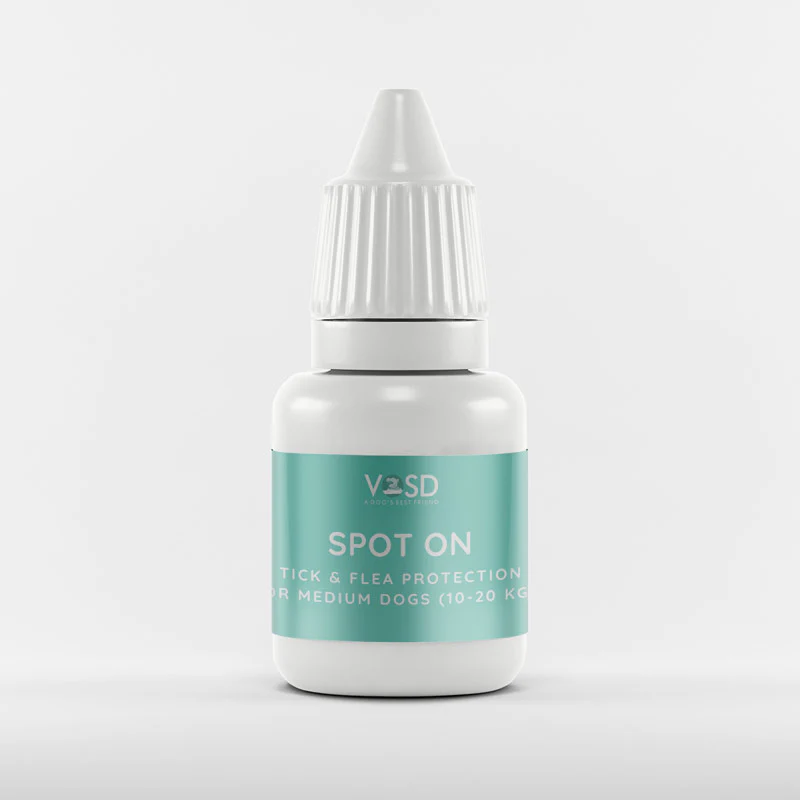
- Tick prevention is a year-round requirement in most parts of India, not a seasonal one. Consistent use of tick preventatives alongside grooming significantly reduces infestation risk.
Related Products
When to Consider Professional Dog Grooming
Professional grooming is not a necessity for every dog, but it is worth considering in certain situations. Dogs with long or heavily matted coats that are difficult to manage at home, breeds that require coat trimming or specific styling such as Shih Tzus, Lhasa Apsos, or Poodles, and dogs that are very anxious about grooming at home may all benefit from periodic professional sessions. A professional groomer can also demonstrate correct nail trimming technique if you are not confident doing this yourself.
Consistent dog grooming at home, even if simple, delivers better outcomes than infrequent professional visits with no care in between. The two approaches work best together.