A puppy or young dog that suddenly starts vomiting repeatedly, becomes weak, and stops eating is always a concern. When these signs appear together with abdominal pain or blood in the stool, one condition that must be considered is intussusception in dogs. It is not the most common diagnosis, but it is one where timing matters considerably. Dogs that receive appropriate care early tend to recover well. Those where the condition is not identified promptly face a more difficult course. Knowing what to look for is the first and most important step.
What is Intussusception in Dogs?
Intussusception in dogs occurs when one segment of the intestine telescopes or slides into an adjacent segment, much like how one section of a collapsible telescope slides into another. This creates a blockage that prevents food, fluid, and digestive contents from passing through normally. The folded segment also compresses blood vessels, reducing or cutting off blood supply to that portion of the intestine.
This can occur anywhere along the intestinal tract, but it is most commonly seen at the junction between the small and large intestine. The condition can be partial or complete, meaning the blockage may be incomplete in some early cases and total in more advanced ones.
Why Intussusception in Dogs is Dangerous
The danger of intussusception lies in what happens when it is not treated. As the intestinal tissue loses its blood supply, it begins to die. A blocked intestine also means that digested material, fluid, and gas cannot move forward, leading to rapid deterioration of the dog’s condition. Bacteria from the gut can leak into surrounding tissue, raising the risk of a broader abdominal infection.
Unlike some digestive conditions that can be managed conservatively for a period, intussusception in dogs nearly always requires surgery once confirmed. The longer it remains untreated, the more intestinal tissue is damaged, which affects both the complexity of surgery and the recovery outlook.
Symptoms of Intussusception in Dogs
The symptoms of intussusception in dogs can appear quite suddenly and tend to worsen over hours rather than days. Here is what to watch for:
- Repeated vomiting that does not settle, often becoming more frequent over time
- Diarrhoea, which may contain blood or have a jelly-like appearance due to mucus
- Significant abdominal pain, which may show as a hunched posture, reluctance to move, or sensitivity when the belly is touched
- Rapid deterioration in energy and alertness
- Complete loss of appetite
- Visible straining to defecate without producing stool, or producing only small amounts of bloody mucus
- A palpable sausage-shaped mass in the abdomen in some cases, detectable by the vet during examination
- Progressive weakness and, in advanced cases, signs of shock such as pale gums and rapid breathing
These symptoms may appear similar to other serious digestive conditions, including parvovirus infection, intestinal blockage from a foreign body, or severe gastroenteritis. This is why veterinary assessment and imaging are essential, the symptoms alone cannot confirm intussusception, but they are a clear signal that something serious is happening.
Related Videos

What Causes Intussusception in Dogs
Intussusception in dogs develops when abnormal intestinal movement, known as peristalsis, causes one segment to be pushed into another. Several conditions are known to trigger this:
- Intestinal infections, particularly parvovirus: Parvovirus is one of the most commonly associated conditions in Indian puppies. The severe intestinal inflammation caused by parvo disrupts normal gut movement and is a significant risk factor for intussusception during or after recovery. We regularly see this pattern in rescued and unvaccinated puppies.
- Intestinal parasites: Heavy worm burdens, particularly roundworms and hookworms, cause significant irritation and irregular movement in the intestine. Puppies and rescued street dogs in India that have not been dewormed are at higher risk.
- Sudden dietary changes: Abrupt changes in food type can trigger irregular gut contractions that predispose the intestine to folding, particularly in young dogs.
- Foreign body ingestion: If a dog has swallowed something that irritates or partially obstructs the intestine, the gut may contract abnormally around it and contribute to intussusception.
- Post-surgical complications: In rare cases, intussusception can occur as a complication following abdominal surgery, likely due to altered gut motility during the recovery period.
- Idiopathic cases: In some dogs, no clear trigger is identified. The condition appears to develop spontaneously, which is another reason why any young dog showing the relevant symptoms should be assessed promptly.
| Risk Factor | Why It Matters in India |
|---|---|
| Parvovirus infection | Common in unvaccinated puppies, especially rescued strays |
| Intestinal parasites | High parasite burden common in street dogs and puppies without deworming history |
| Poor early nutrition | Weakened gut lining in malnourished rescues increases susceptibility |
| Delayed veterinary access | Conditions that could be caught early may progress further before treatment begins |
When This Becomes an Emergency
Intussusception in dogs progresses relatively quickly once symptoms begin. Contact your vet the same day, or go to an emergency clinic immediately, if your dog shows:
- Repeated vomiting that has not stopped after several hours
- Blood in the stool or vomit
- Extreme weakness or inability to stand
- A swollen or painful abdomen
- A puppy or recently rescued dog showing any combination of the above
- A dog recovering from parvovirus that suddenly deteriorates again after initial improvement
If your dog is showing these signs, early veterinary care can make all the difference. Do not wait to see if things improve on their own when multiple symptoms are present together.
How Vets Diagnose Intussusception in Dogs
Diagnosis of intussusception in dogs involves a combination of clinical assessment and imaging. Your vet will move through the following steps:
- Physical examination and abdominal palpation: An experienced vet may be able to feel a firm, sausage-shaped mass in the abdomen during careful palpation. The dog will typically show pain or resistance when the area is touched.
- Ultrasound: This is the most reliable tool for confirming intussusception. An abdominal ultrasound can clearly show the characteristic telescoping appearance of the folded intestinal segment and help the vet assess how much tissue is involved and whether blood flow is compromised.
- X-rays: Abdominal radiographs can show signs consistent with an intestinal obstruction, such as gas-filled loops of intestine. They are useful for supporting the diagnosis and ruling out other causes, though ultrasound provides more specific confirmation.
- Blood tests: These assess the dog’s overall condition, including hydration, electrolyte balance, organ function, and signs of infection. This information is essential for planning anaesthesia and surgery safely.
Early diagnosis consistently leads to better outcomes. The sooner the intussusception is confirmed, the sooner surgical intervention can be planned and performed before further tissue damage occurs.
Treatment for Intussusception in Dogs
In the vast majority of confirmed cases, intussusception in dogs requires surgical correction. There is no reliable non-surgical approach once the intestinal segments have become fixed in position.
Pre-surgical stabilisation: Before surgery, the vet will work to bring your dog into a safer physiological state. This typically involves intravenous fluids to address dehydration and support blood pressure, electrolyte correction, pain management, and antibiotics if infection is a concern. This phase is particularly important in puppies and dogs that have already deteriorated significantly.
Surgery: The surgical procedure involves carefully separating the telescoped segments of intestine. If the tissue can be successfully reduced and has not died, it may be left in place. If the affected section of intestine has lost blood supply and is no longer viable, that portion must be removed and the healthy ends rejoined in a procedure called intestinal resection and anastomosis.
Post-operative monitoring: After surgery, your dog will be monitored closely in the clinic for signs of complications including leakage at the surgical join, continued infection, and return of normal gut function. The length of hospital stay varies depending on the extent of surgery and how well the dog is recovering.
Post-Surgery Home Care
Once your dog is discharged, careful home management supports a successful recovery:
- Rest and strictly restricted movement for the full duration advised by your vet. No running, jumping, or rough play until the surgical site has healed completely.
- Feed small, frequent meals of a bland, easily digestible diet such as plain boiled rice with boiled chicken. Your vet will advise on when to transition back to a normal diet.
- Give all prescribed medications at the correct times and complete every course in full.
- Check the surgical wound daily for redness, swelling, or discharge and report any concerns promptly.
- Attend all follow-up appointments, even when your dog appears to be recovering well. These visits allow the vet to confirm that the intestinal join is healing properly and that gut function has returned to normal.
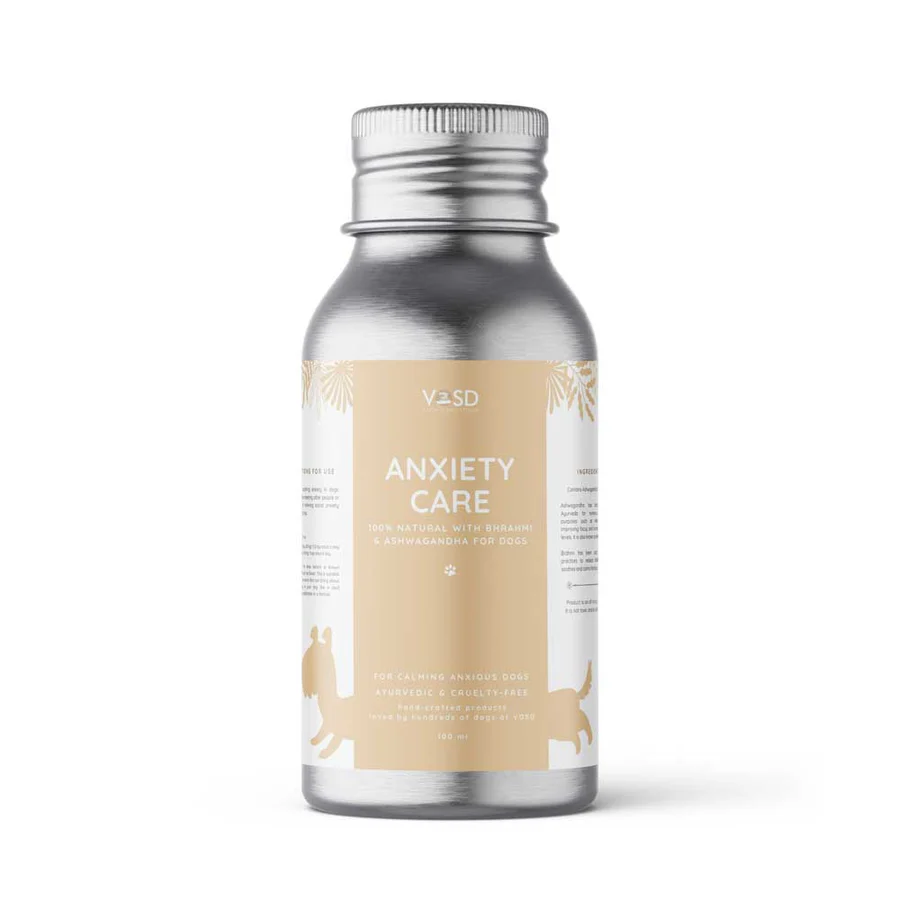
Dogs recovering from abdominal surgery often need additional support during the healing period. For dogs that show anxiety or stress during the recovery and restricted activity phase, VOSD Anxiety Care may help manage stress during this unsettled period at home. Always check with your vet before introducing any new product to a dog that has recently had surgery.
Related Products
Recovery and Survival Outlook
Dogs that undergo surgery for intussusception early in the course of the condition, before significant tissue death has occurred, generally have a good chance of recovery. Puppies that are otherwise reasonably well-nourished and receive prompt surgical care can recover fully and go on to live normal, healthy lives.
The prognosis becomes more guarded when treatment is delayed, when a large section of intestine has to be removed, or when the dog was already severely compromised before surgery. In these cases, recovery is still possible but requires more intensive post-operative care and a longer recovery timeline.
One important consideration is the possibility of recurrence. Intussusception in dogs can happen again, particularly if the underlying trigger such as a parasitic infection or parvovirus has not been fully resolved. Your vet may discuss preventive measures and monitoring strategies based on your dog’s specific history.