
Ivermectin is one of the most widely used antiparasitic drugs in veterinary medicine. At the right dose, for the right condition, it is safe and highly effective. At the wrong dose, or in the wrong dog, it can cause seizures, blindness, coma, and death.
That is not a reason to avoid it. It is a reason to use it correctly.
What Ivermectin Actually Does Inside the Body
Ivermectin works by binding to glutamate-gated chloride ion channels in invertebrate nerve and muscle cells. This causes paralysis and death of the parasite.
Mammals have similar channels, but they are protected by the blood-brain barrier, which normally prevents ivermectin from entering the brain at therapeutic doses. This is what makes it selectively toxic to parasites rather than to dogs.
The critical word is normally.
When Ivermectin Is Actually Used in Dogs
Ivermectin is prescribed for a specific range of parasitic conditions:
- Heartworm prevention: At very low doses as a monthly preventative
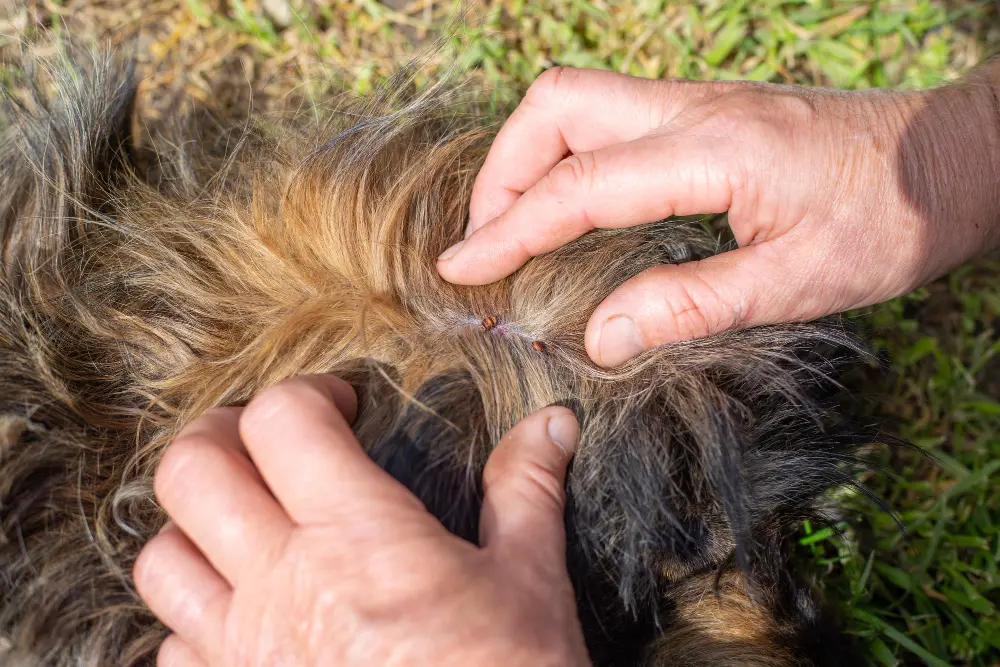
- Demodectic and sarcoptic mange: At higher doses to eliminate mites burrowed in the skin
- Ear mites: Topical or injectable treatment
- Intestinal parasites: Including certain roundworms and threadworms
- Microfilariae: The larval stage of heartworm in the bloodstream
It is a targeted antiparasitic drug. It treats nothing else. It has no antibacterial, antiviral, or anti-inflammatory action.
When You Should NOT Use Ivermectin
Ivermectin is not appropriate in the following situations:
- Viral or bacterial infections with no parasitic component
- Unknown or undiagnosed illness where the cause has not been established
- Any dog that has not been tested for heartworm before starting treatment, as killing microfilariae rapidly in a heavily infected dog can trigger a severe reaction
- Dogs with the MDR1 gene mutation, unless the specific risk has been assessed and the dose is adjusted accordingly
- Without a confirmed diagnosis and veterinary prescription
Related Videos


Is Ivermectin Safe for Dogs? The Real Answer
Yes, at the correct dose, for the correct condition, prescribed by a veterinarian.
No, if the dose is wrong, the formulation is not intended for dogs, or the dog has a genetic sensitivity.
Safety is not a property of the drug in isolation. It is a property of how precisely it is used.
Why Does It Matter So Much? The Mechanism Behind Toxicity
This is the section that explains everything.
At low doses used for heartworm prevention, the concentration of ivermectin in the bloodstream is too low to cross the blood-brain barrier in a healthy dog. The drug reaches parasites but not the central nervous system.
At higher doses used for mange treatment, concentrations are significantly elevated. In a normal dog with an intact blood-brain barrier, this remains manageable. But when the blood-brain barrier is compromised, or when the dog carries the MDR1 gene mutation, ivermectin enters the brain, where it binds to GABA receptors and causes uncontrolled inhibitory signalling in the nervous system.
The result is progressive neurological toxicity.
Why Some Dogs Are at Higher Risk
The MDR1 gene, also called ABCB1, produces a protein called P-glycoprotein that pumps certain drugs back out of brain tissue, acting as a gatekeeper for the blood-brain barrier.
Dogs with a mutation in this gene have a defective or absent P-glycoprotein pump. Ivermectin accumulates in the brain even at doses that would be safe in other dogs.
Breeds with known MDR1 mutation risk:
- Collies (highest prevalence, affecting up to 70% of the breed)
- Australian Shepherds
- Shetland Sheepdogs
- Border Collies
- Old English Sheepdogs
- German Shepherds (lower prevalence but documented)
- Mixed breeds with any of the above heritage
Any dog of these breeds should be tested for the MDR1 mutation before ivermectin is prescribed at any dose above heartworm prevention levels. Genetic testing is available and straightforward.
Signs of Ivermectin Toxicity You Must Recognise Immediately
If a dog has received an excessive dose or is MDR1-sensitive, neurological signs appear within four to twelve hours of exposure.
Signs of ivermectin toxicity:
- Tremors or muscle twitching
- Excessive salivation
- Loss of coordination and stumbling
- Dilated pupils
- Apparent blindness
- Seizures
- Severe lethargy progressing to stupor
- Coma in severe cases
These signs are a veterinary emergency. There is no antidote for ivermectin toxicity. Treatment is intensive supportive care, including IV fluids, seizure control, and in some cases, mechanical ventilation. The sooner treatment begins, the better the outcome.
Why Self-Medicating With Ivermectin Is Dangerous
The most common source of ivermectin toxicity in dogs is owners using livestock formulations.
Cattle and horse ivermectin products are available without prescription, inexpensive, and contain concentrations of ivermectin that are many times higher than veterinary dog formulations. Owners attempting to calculate an equivalent dog dose from a cattle product are working with a formulation that was never designed for this purpose, at concentrations where a small measuring error produces a toxic dose.
The specific risks of self-medication:
- Livestock formulations may contain propylene glycol or other carriers that are themselves toxic to dogs at the volumes required
- Concentration differences make accurate dosing extremely difficult without calibrated equipment
- The wrong dose may not kill the target parasite effectively while still causing toxicity
- Self-treatment delays the correct diagnosis, particularly when the presenting condition is not actually parasitic
How Veterinarians Decide When to Use Ivermectin
The prescribing process is structured around clinical evidence, not assumptions.
- Confirmed parasitic diagnosis: Skin scraping for mange mites, faecal testing for intestinal parasites, or heartworm antigen testing before starting prevention
- Breed and genetic history: MDR1 status considered for sensitive breeds before any dose above prevention level
- Weight-based dosing: Dose is calculated precisely per kilogram of body weight and adjusted for the specific condition being treated
- Heartworm status: A heartworm test is performed before initiating ivermectin-containing preventatives
- Monitoring: Dogs being treated for mange at higher doses are monitored for early neurological signs
Ivermectin vs Other Parasite Treatments
| Condition | Ivermectin | Alternative |
|---|---|---|
| Heartworm prevention | Yes, monthly low dose | Milbemycin, moxidectin |
| Demodectic mange | Yes, higher dose | Fluralaner, afoxolaner |
| Sarcoptic mange | Yes | Selamectin, sarolaner |
| Ear mites | Yes | Selamectin, milbemycin |
| MDR1 positive dogs | Use with extreme caution | Milbemycin preferred |
Alternatives exist for most conditions where ivermectin would otherwise be used. In MDR1-positive dogs, milbemycin oxime is generally considered safer because it does not cross the blood-brain barrier as readily.
When Ivermectin Becomes Life-Saving
There are genuine situations where ivermectin is the right and necessary choice:
- Severe generalised demodectic mange in dogs with secondary infection and significant skin breakdown
- Sarcoptic mange in heavily infested dogs where rapid mite elimination is critical
- Heartworm prevention in regions with high transmission risk
- Parasite overload in stray or rescued dogs with significant mite burden
In these cases, withholding ivermectin out of misplaced caution is itself harmful. The goal is appropriate use, not avoidance.
How This Connects to Common Dog Conditions
Parasitic disease sits within a broader landscape of dog health conditions that owners need to understand. VOSD’s VOSD vet advice resources cover a wide range of conditions where accurate diagnosis determines correct treatment. A full index of conditions is available through dog medical conditions on the VOSD website. For further reading on treatment decisions across common conditions, VOSD vet advice resources provide additional clinical guidance.
When You Should See a Vet Before Using Ivermectin
See a vet before any ivermectin use if your dog shows:
- Hair loss, intense itching, or thickened skin suggesting mange
- Visible worms or suspected intestinal parasites
- Head shaking and ear scratching suggesting ear mites
- Any unexplained skin or coat condition in a herding breed
Never begin ivermectin treatment based on a self-diagnosis. The conditions it treats require confirmation, and the dose varies significantly between them.
Ivermectin Is Safe, Only in the Right Hands and the Right Dose
Ivermectin has genuinely transformed the management of parasitic disease in dogs. At the correct dose, prescribed after a correct diagnosis, it is one of the most reliable antiparasitic drugs available.
The risk is not in the drug. The risk is in taking that precision away by self-dosing, using the wrong formulation, or bypassing the genetic screening that protects sensitive breeds.
A vet prescribes the dose. You administer it exactly as directed. That is the entire framework for safe ivermectin use. Everything outside of it carries an entirely avoidable risk.