
When your dog is sick, the instinct is to do something immediately. And in many households, that something is an antibiotic: leftover from a previous prescription, bought over the counter, or started before a vet has even been consulted.
It feels responsible. It feels like action. But antibiotic misuse is one of the most common and quietly dangerous mistakes dog owners make. Used correctly under veterinary guidance, antibiotics are genuinely life-saving. Used incorrectly, they can worsen infections, damage organ systems, and create resistant bacteria that become increasingly difficult to treat.
Understanding the difference is not complicated, but it is critical for your dog’s health.
Understanding Antibiotics: What They Do (And Don’t Do)
Antibiotics are medicines designed only to target bacteria. They work by either killing bacteria directly (bactericidal) or inhibiting their reproduction (bacteriostatic).
What antibiotics do not affect is equally important:
- They do not affect viruses (e.g., most kennel cough cases).
- They do not affect fungal infections.
- They do not affect parasites.
Giving an antibiotic for a viral infection does nothing to clear the virus and can cause considerable harm to the dog’s vital gut microbiome in the process.
When Are Dog Antibiotics Actually Necessary?
Antibiotics are appropriate and often essential in confirmed or strongly suspected bacterial infections. Vets determine necessity by analysing symptoms and, ideally, using diagnostic tests.
Conditions Where Antibiotics Are Typically Indicated:
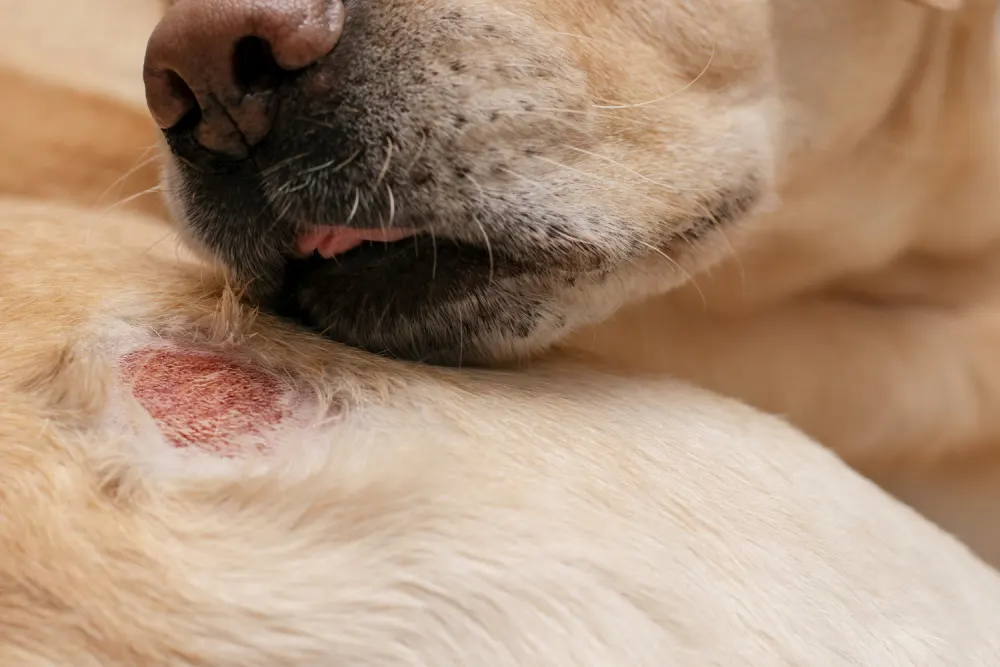
- Skin infections (pyoderma), especially deep or recurrent ones
- Urinary tract infections confirmed by urinalysis and culture
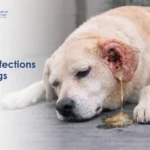
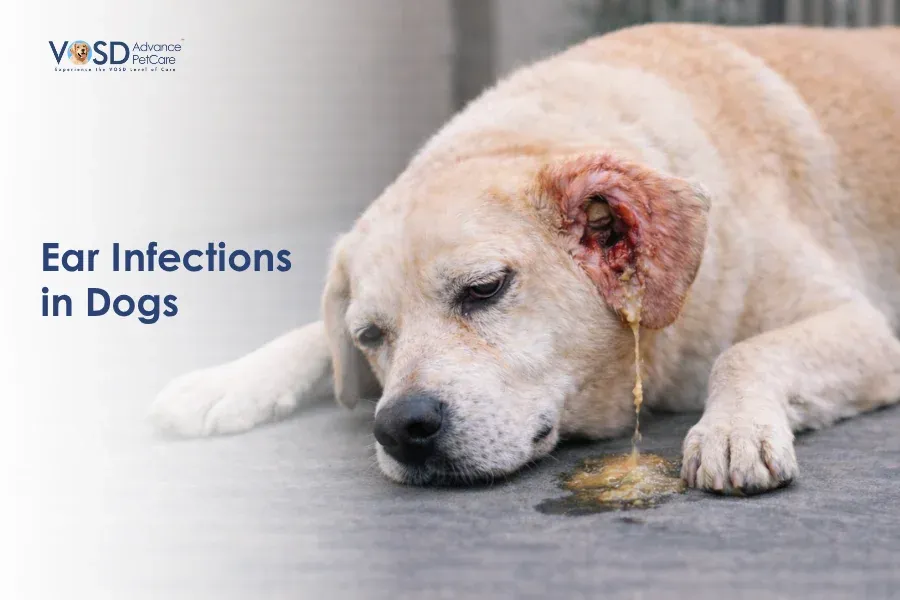
- Ear infections caused by bacteria (not yeast)
- Respiratory infections caused by bacterial pathogens
- Severe systemic infections including sepsis
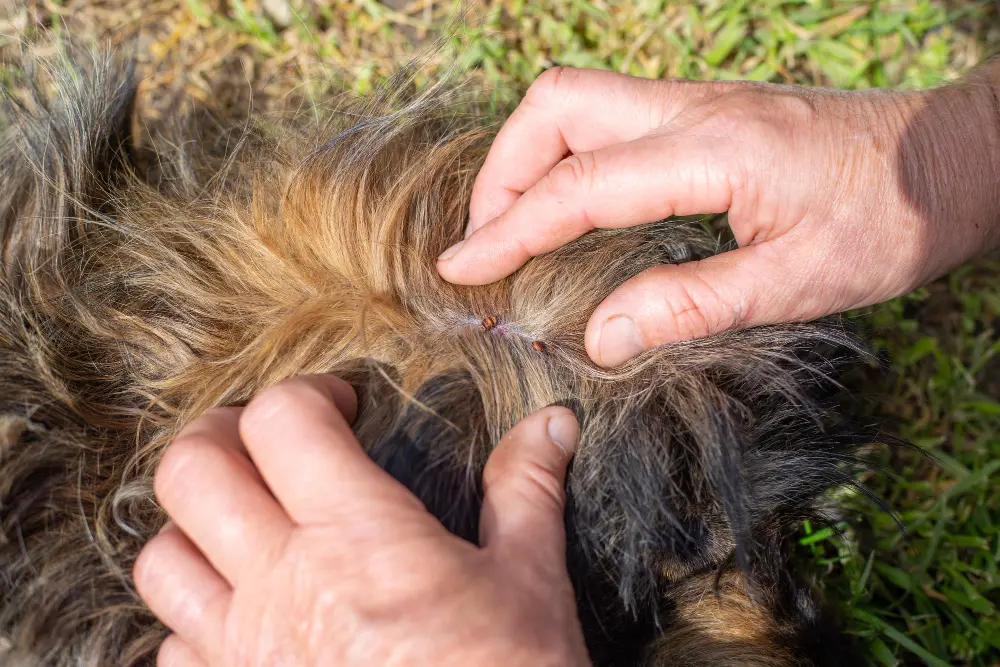
- Tick-borne bacterial diseases, including ehrlichiosis and anaplasmosis
When Antibiotics Are Not Appropriate:
- Viral infections, including parvovirus, distemper, and most kennel cough cases
- Fungal infections, which require specific antifungal medications
- Inflammatory conditions without a confirmed infectious component
For more detailed information on bacterial identification, see VOSD’s resource on infections in dogs.
The Peril of Misuse: Understanding Antibiotic Resistance in Dogs
Antimicrobial resistance is the single most critical reason for responsible antibiotic use. It develops when a small population of bacteria survives an antibiotic course because:
- The course is stopped early (the dog seems better).
- The dose is insufficient (underdosing).
- The wrong antibiotic is chosen for the specific bacteria.
The surviving, resistant bacteria reproduce unchallenged. The next infection they cause will not respond to the same drug. This makes the infection harder to treat, requiring stronger, more expensive, and often more toxic “last-resort” antibiotics.
Related Videos


Known Side Effects and Organ Risks
Even correctly prescribed antibiotics carry potential side effects. Owners must monitor for these.
Gastrointestinal Effects (Most Common)
Vomiting, diarrhoea, and reduced appetite frequently occur because antibiotics disrupt the gut microbiome, the beneficial bacteria that aid digestion and immunity. Probiotic supplementation is often recommended to support recovery.
Specific Organ Toxicity
Certain classes pose known risks, which is why veterinary supervision is essential:
- Aminoglycosides (e.g., Gentamicin): Risk of kidney damage.
- Fluoroquinolones (e.g., Enrofloxacin): Associated with cartilage damage in young, growing dogs.
- Chloramphenicol: Carries bone marrow toxicity risks.
Why Self-Medicating Your Dog Is Dangerous
Self-medication using human or leftover pet antibiotics creates a specific set of harms by removing the veterinarian’s structured decision-making process:
- Unknown Infection Type: You cannot confirm the illness is bacterial.
- Incorrect Drug: Different bacteria require different antibiotics.
- Incorrect Dosing: Doses are calculated precisely by weight.
- Masking Symptoms: Treatment before examination can make a dog appear less ill, delaying correct diagnosis.
In cases of serious bacterial infections like salmonella in dogs, the wrong initial antibiotic can make subsequent, necessary culture-guided treatment much harder.
Can You Give Human Antibiotics to Dogs?
While some antibiotics (e.g., amoxicillin, doxycycline) are the same molecule used in both human and veterinary medicine, the answer is a firm no without explicit veterinary guidance.
- Dosing Differences: Human doses are inappropriate and can be ineffective or toxic.
- Formulation Risks: Human formulations may contain additives (like Xylitol in some liquids) that are highly toxic to dogs.
How Veterinarians Choose the Right Antibiotic
The process is precise and structured to ensure efficacy and minimise resistance:
- Clinical Presentation: Initial selection is guided by the infection site (e.g., skin vs. urinary).
- Cytology/Gram Staining: Quick in-clinic tests narrow the bacterial type.
- Culture and Sensitivity Testing: The “gold standard.” A lab identifies the exact bacteria and tests which antibiotics it is susceptible to, ensuring targeted treatment.
- Organ Function: Liver and kidney function tests determine if the dog can safely metabolise and excrete the chosen drug.
Emergency Use Cases: When Antibiotics Are Life-Critical
In certain situations, antibiotics are not a matter of choice but an immediate, life-saving necessity. Delay is often fatal.
- Sepsis: Bacterial infection in the bloodstream requires immediate intravenous broad-spectrum antibiotics.
- Abscesses: Bacterial abscesses require antibiotic therapy alongside drainage.
- Severe Wound Infections: Prompt intervention prevents systemic spread.
- Serious Tick-borne Diseases: Prompt doxycycline treatment is critical for conditions like Ehrlichiosis. Similarly, though rare, bacterial diseases like plague in dogs require immediate, specific antibiotic therapy.
Key Takeaways: A Responsible Owner’s Guide to Antibiotics
Your dog’s health depends on your adherence to responsible use:
- Complete the Course: Never stop antibiotics early, even if your dog appears fully recovered. This is the main cause of resistance.
- Never Self-Diagnose: See a vet for symptoms like fever above 39.5°C, persistent vomiting/diarrhoea, or laboured breathing.
- Do Not Use Leftovers: Leftover antibiotics are usually the wrong drug, the wrong dose, and create resistance.
Antibiotics are powerful tools that save lives, but only when wielded with precision and knowledge. Always consult your veterinarian.