
Most dog owners have seen it: a dog on a walk or in the garden, deliberately selecting and chewing grass as though it is part of their meal plan. It tends to prompt immediate concern: Is something wrong? Are they sick? The short answer is that grass-eating is a common, widely observed behaviour in domestic dogs, and in most cases, it is not a cause for alarm. What it means, however, depends on the context.
Is it Normal for Dogs to Eat Grass?
Yes, in the vast majority of cases. Studies observing dog behaviour in domestic and semi-wild populations consistently find that plant consumption – including grass- is common across all ages and breeds. It is not a behaviour unique to unwell dogs; healthy dogs eat grass too. What matters is frequency, whether it is accompanied by other symptoms, and whether the grass itself is safe. Occasional grass grazing during a walk or in the garden, with no vomiting and normal behaviour afterwards, is generally nothing to investigate. For broader patterns in what is typical versus concerning dog behaviour, the VOSD dog behaviour section is a useful reference.
Possible Reasons Why Dogs Eat Grass
There is no single explanation; researchers believe multiple motivations can drive the behaviour, and it likely varies from dog to dog and even episode to episode. Here are the most supported theories.
Digestive Relief or Upset Stomach
One of the most common explanations is that dogs eat grass to ease gastrointestinal discomfort, to induce vomiting, relieve bloating, or help pass something that isn’t sitting well. Some dogs do vomit shortly after eating grass; others consume it and show no reaction at all. The “self-medication” theory has intuitive appeal, but it doesn’t explain every case. What it does suggest is that a dog who is repeatedly seeking out grass, particularly before or after eating, may be signalling some digestive discomfort worth paying attention to.
Nutritional Deficiencies
Some dogs may seek out grass or plant matter when their diet is lacking in fibre or certain micronutrients. This is more likely in dogs on low-quality commercial diets or those whose food hasn’t been reviewed in some time. If a dog’s grass-eating appears to be compulsive or is accompanied by other unusual eating behaviours, such as eating soil, licking surfaces, a dietary review with your veterinarian is worthwhile.
Instinctive Behaviour from Ancestors
The domestic dog’s wild ancestors were not purely carnivorous. They consumed plant matter through the gut contents of prey, and plant consumption appears in the behaviour of wolves and other wild canids as well. Grass-eating may simply be an inherited vestigial behaviour, not driven by any current need, but carried forward through generations of canine evolution. In this framing, it is no more alarming than a dog circling before lying down.
Boredom or Behavioural Habit
Some dogs eat grass because they are under-stimulated, on a long, repetitive walk with nothing more interesting to engage with, grass becomes something to do. This is particularly common in younger dogs or those with higher cognitive needs. If grass-eating tends to happen when the dog is bored or during low-engagement periods, increasing daily enrichment and exercise is the most direct solution. Dogs showing boredom-driven behaviours more broadly may also benefit, which covers how under-stimulation contributes to stress patterns.
When Grass Eating Could Be a Problem
Occasional grass grazing is generally benign. It becomes worth investigating when the behaviour is frequent and compulsive, when vomiting after grass consumption is happening regularly, when the dog shows lethargy or appetite loss alongside the behaviour, or when there is reason to believe the grass may have been treated with pesticides, herbicides, or fertilisers. In urban and peri-urban India, treated lawns, parks sprayed with pesticides, and roadsides exposed to chemical runoff are all genuine risks.
Related Videos
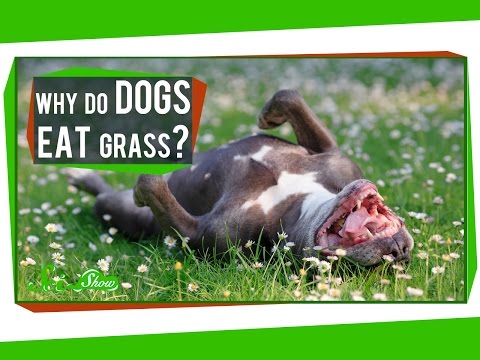


Is Grass Eating Dangerous for Dogs?
The grass itself is rarely the problem. The risks come from what is on the grass. Pesticide-treated lawns are the most significant concern; dogs absorb chemicals through their mouth and paws, and repeated low-level exposure adds up. Grass in areas frequented by other animals also carries parasite risk. Consuming large quantities of grass in a single episode can occasionally cause a blockage, particularly in smaller dogs, though this is uncommon.
How to Prevent Excessive Grass Eating
- Review the dog’s diet with a vet if grass-eating is frequent, and rule out nutritional gaps
- Increase daily exercise and mental engagement to address boredom-driven grazing
- Redirect the behaviour during walks using a cue like “leave it,” rewarded consistently
- Supervise in outdoor environments where chemical treatment is likely
- Provide appropriate chew alternatives at home so the oral fixation has a safer outlet
When to Consult a Veterinarian
Seek veterinary advice if grass-eating is happening daily or multiple times per walk, if vomiting after grass consumption is a regular occurrence, if the dog shows other signs of GI distress, bloating, loose stools, reduced appetite, or if the behaviour has changed suddenly in a dog who previously showed no interest in grass. The VOSD vet advice section can help you assess when a symptom pattern warrants a professional consultation.
Learn More About Responsible Dog Care
Understanding what is normal in dog behaviour, and what deserves a closer look, is something every pet parent benefits from building over time. VOSD provides vet-informed guidance across behaviour, health, and welfare, developed through years of direct field and rescue experience across India.
Conclusion
Grass eating is one of those dog behaviours that looks stranger to us than it actually is. In most cases, it is a normal, instinct-driven, or boredom-driven habit that requires nothing more than routine observation. Watch for patterns, keep an eye on what the grass has been treated with, and check in with your vet if something feels consistently off. Most of the time, your dog is simply being a dog.