
Most pet parents notice something is off with their dog’s stool before they notice anything else. It might happen on a walk, a slightly unusual colour, a softer texture than usual, or something visible in the stool that was not there before. In many rescue cases, the first sign that alerts a caregiver to an underlying health problem is exactly this: a change in the dog’s stool. The good news is that once you know what you are looking for, dog stool health meaning becomes a genuinely useful daily guide to your dog’s wellbeing.
Why Your Dog’s Faeces Matter
Digestion reflects the entire body’s health. The gut processes everything the dog eats, absorbs the nutrients, and expels the waste. Along the way, it interacts with the immune system, the liver, the kidneys, and the bloodstream. When any of these systems are under stress, the faeces often show it first.
In India, dogs face a specific set of digestive challenges: exposure to contaminated water, contact with street animals and their faeces, scavenging behaviour, tick-borne diseases that affect the gut, and the effects of heat on hydration and digestion. Understanding dog stool health meaning in this context helps Indian pet parents stay proactive rather than reactive.
What Does Healthy Dog Poop Look Like?
Healthy dog stool has four defining characteristics that are easy to assess during any walk:
- Colour: Chocolate brown. Not too dark, not too pale, not green or yellow or red. A consistent warm brown is the normal baseline.
- Consistency: Firm enough to hold its shape when picked up, but not rock-hard. It should leave minimal residue on the ground and pick up cleanly.
- Shape: Log-shaped or segmented logs. Not a formless puddle, not a collection of tiny hard pellets.
- Contents: Uniform throughout. No visible undigested food, no mucus coating, no white specks, no moving threads.
A small variation from this baseline on a single occasion after a dietary change or a stressful day is generally not concerning. It is persistent changes, or changes accompanied by other symptoms, that warrant a closer look.
Dog Poop Colour Guide and What It Means
Colour is the most immediately visible indicator of dog stool health meaning. Here is what different colours suggest:
| Stool Colour | What It Suggests | Action Needed |
|---|---|---|
| Chocolate brown | Normal and healthy | None |
| Black or very dark tarry | Digested blood from the upper digestive tract (stomach or small intestine) | Vet assessment same day |
| Red or bright red streaks | Fresh blood from the lower digestive tract (large intestine or rectum) | Vet assessment same day |
| Yellow or orange | Liver or gallbladder issue, or food passing too quickly through the gut | Vet assessment if persistent |
| Green | Eating grass, bile, or possible toxin ingestion | Monitor; vet if persists or dog is unwell |
| Grey or very pale | Reduced bile production; possible liver or pancreatic issue | Vet assessment |
| White or chalky | Too much calcium (e.g. from raw bone feeding); possible worm burden | Dietary review; stool test for parasites |
Related Videos




Stool Consistency: From Firm to Watery
Alongside colour, the texture and consistency of dog stool carries significant diagnostic information. The spectrum runs from too hard at one end to fully liquid at the other.
- Rock-hard pellets: Often indicate dehydration or constipation. In Indian summers, this can occur when dogs are not drinking enough water. Diet changes that reduce fibre can also cause this.
- Firm and well-formed: The normal baseline. Easy to pick up, holds shape.
- Soft and somewhat shapeless: Mild digestive disruption. A one-off occurrence after a dietary change or stressful event is usually self-resolving within a day.
- Cow-pat consistency: More concerning. Indicates the colon is not absorbing water effectively. Common with intestinal infections, food intolerances, or early parasitic burden.
- Watery or liquid diarrhoea: The gut is inflamed and not functioning normally. Causes range from parvo and gastroenteritis to severe parasitic infections and toxin ingestion. Watery diarrhoea with any other symptoms warrants same-day veterinary assessment.
Unusual Contents in Dog Stool
What is inside the stool can tell you as much as its colour and texture. Here is what to look for and what it typically indicates:
- White moving threads or rice-grain-like segments: These are worms or tapeworm segments. Roundworms look like spaghetti; tapeworm segments look like small flat grains of rice and may be seen around the anus as well. Both indicate a parasitic burden that needs deworming treatment.
- Mucus coating: A small amount of mucus can be normal. A significant clear or yellowish mucus coating on the stool, or stool that is largely mucus, indicates large intestinal inflammation, sometimes called colitis. This needs veterinary attention if persistent.
- Visible undigested food: Some undigested material is normal for high-fibre foods, but consistently seeing undigested food points to reduced absorption. This may indicate EPI (exocrine pancreatic insufficiency), a food intolerance, or intestinal disease.
- Foreign objects: Plastic fragments, grass, fabric threads, or other objects suggest the dog has been eating non-food material. This is common in young dogs and in dogs with pica. If a large amount of material has been eaten, an intestinal blockage is a possibility that needs veterinary assessment.
Symptoms to Watch Alongside Abnormal Stool
Dog stool health meaning becomes more significant when abnormal stool occurs alongside other signs. Watch for:
- Vomiting alongside diarrhoea, suggests broader gastrointestinal involvement
- Lethargy and reduced interest in food, points to systemic illness rather than a simple digestive upset
- Visible weight loss over days to weeks
- Straining to defecate without producing stool, or producing only small amounts of mucus
- Scooting or excessive licking around the back end, which can indicate anal gland problems or worm irritation
- Signs of dehydration including sticky gums, reduced skin elasticity, and reduced urination
Common Causes of Abnormal Dog Stool in India
Several causes of digestive problems are particularly prevalent in India’s conditions:
- Intestinal parasites: Roundworms, hookworms, whipworms, and Giardia are all common in Indian dogs, particularly those with outdoor access or a history of street exposure. A stool test is the most reliable way to identify which parasite is present.
- Bacterial and viral infections: Parvovirus produces haemorrhagic, foul-smelling diarrhoea and is life-threatening without prompt treatment. Bacterial gastroenteritis from contaminated water or food is also common, particularly during the monsoon season.
- Dietary causes: Sudden diet changes, eating oily or spiced human food, or eating garbage are frequent causes of mild to moderate diarrhoea in Indian pet dogs.
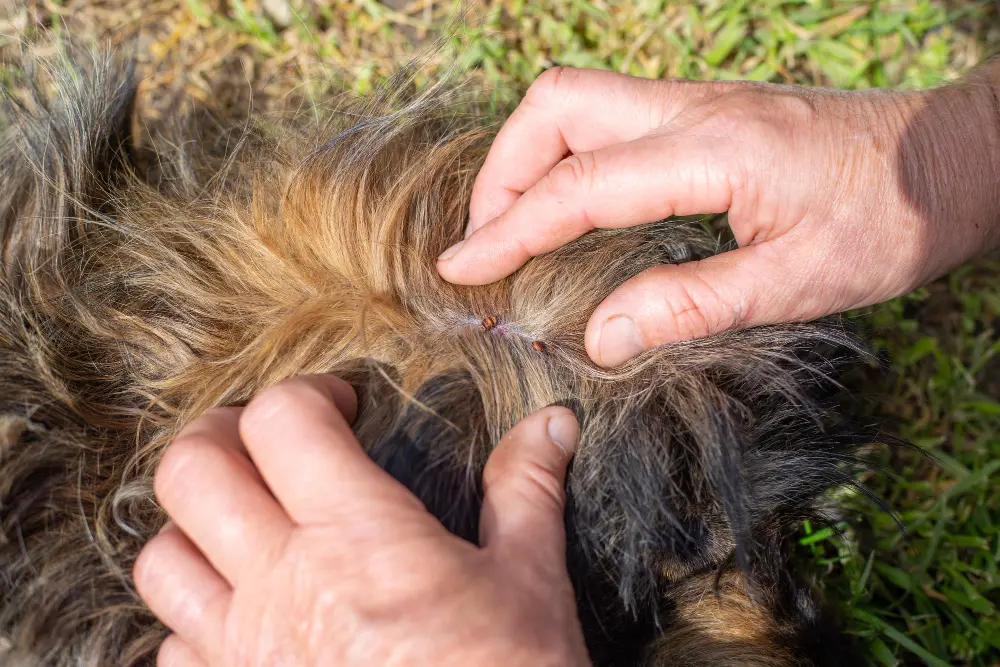
- Tick-borne diseases: Ehrlichiosis, babesiosis, and other tick-transmitted infections can affect the gut and produce loose stools alongside systemic illness.
- Heat-related dehydration: In summer, inadequate water intake causes harder, drier stools and can worsen constipation in already susceptible dogs.
- Malabsorption conditions: EPI, inflammatory bowel disease, and protein-losing enteropathy all produce chronic changes in stool quality including voluminous, pale, or greasy stools.
Diagnosis: What the Vet Looks For
When you bring a dog in with abnormal stool, the veterinary assessment typically involves:
- Faecal examination: A stool sample examined under a microscope identifies parasites, their eggs, and abnormal bacteria. This is the single most useful test for a dog with chronic or recurring digestive problems and is widely available at veterinary clinics across India.
- Blood tests: A full blood panel assesses kidney and liver function, identifies infection markers, and evaluates overall health status. This is particularly useful when the stool changes are accompanied by other systemic signs.
- Parvovirus test: For unvaccinated dogs or puppies with bloody, foul-smelling diarrhoea and vomiting, a rapid parvo test is usually performed as a first step.
- Ultrasound or imaging: In dogs with suspected blockage, chronic malabsorption, or significant weight loss, abdominal imaging helps assess the intestines and other organs.
Treatment Options for Digestive Problems
Treatment depends entirely on the cause, which is why diagnosis comes first. General approaches include:
- Deworming: For parasitic causes, appropriate antiparasitic medication is prescribed based on the type of parasite identified. Regular deworming every three months is recommended for all Indian dogs given the high exposure risk.
- Dietary correction: A temporary switch to a bland, easily digestible diet such as boiled chicken and white rice helps the gut recover from mild inflammatory or dietary causes.
- Rehydration: Dogs with significant diarrhoea need fluid replacement. Mild cases can often be managed with oral electrolyte support, while more severe cases require IV fluids.
- Medications: Anti-nausea medications, gut-motility modifiers, antibiotics (only when bacterial infection is confirmed), and probiotics may all be used depending on the diagnosis.
Do not give human anti-diarrhoeal medications to dogs. Products such as Imodium and human antacids are not safe for dogs without specific veterinary guidance and can mask symptoms that are important for diagnosis.
Maintaining year-round parasite control reduces the risk of worm-related stool changes significantly. VOSD Spot On Tick and Flea Protection with IGR helps protect dogs from external parasites that can carry diseases affecting the gut. Always confirm deworming and parasite prevention protocols with your vet based on your dog’s specific situation and exposure history.
Related Products

When to See a Vet
Contact your vet the same day if your dog shows:
- Black or tarry stools, or any stool with bright red blood
- Visible worms or moving segments in the stool
- Diarrhoea that has lasted more than twenty-four hours
- Diarrhoea combined with vomiting, lethargy, or reduced appetite
- Puppies with any diarrhoea or vomiting, as they dehydrate and deteriorate much faster than adult dogs
- Straining without producing stool for more than a few attempts
Everyday Monitoring Tips
Developing a simple habit of observing your dog’s stool during walks is one of the most cost-effective health monitoring tools available:
- Take a quick look every time your dog defecates – colour, consistency, and anything unusual in the contents
- Keep track of how many times your dog is defecating per day; an increase or decrease from normal is itself informative
- If you notice something concerning, collect a small sample in a clean container and bring it to your vet appointment rather than trying to describe it
- Provide fresh, clean water consistently, particularly in hot weather, to support normal gut transit and avoid constipation
- Maintain a regular deworming schedule regardless of whether worms have been seen, as many infestations are not visible to the naked eye