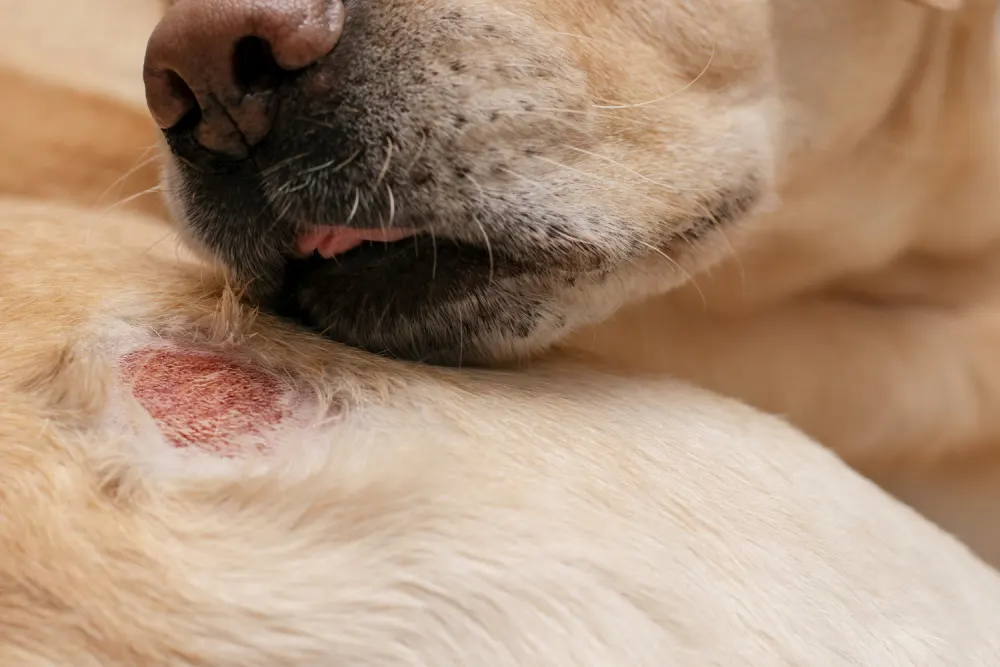


It started as a small bump on her shoulder.
Her family didn’t think much of it at first. She had been playing rough with the neighbor’s dog days earlier, and a small bump seemed like a minor consequence. They watched it for a day. Then two. By the third day, the bump had grown, become hot to the touch, and she yelped when anyone tried to pet that area.
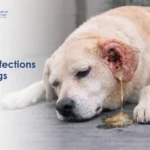
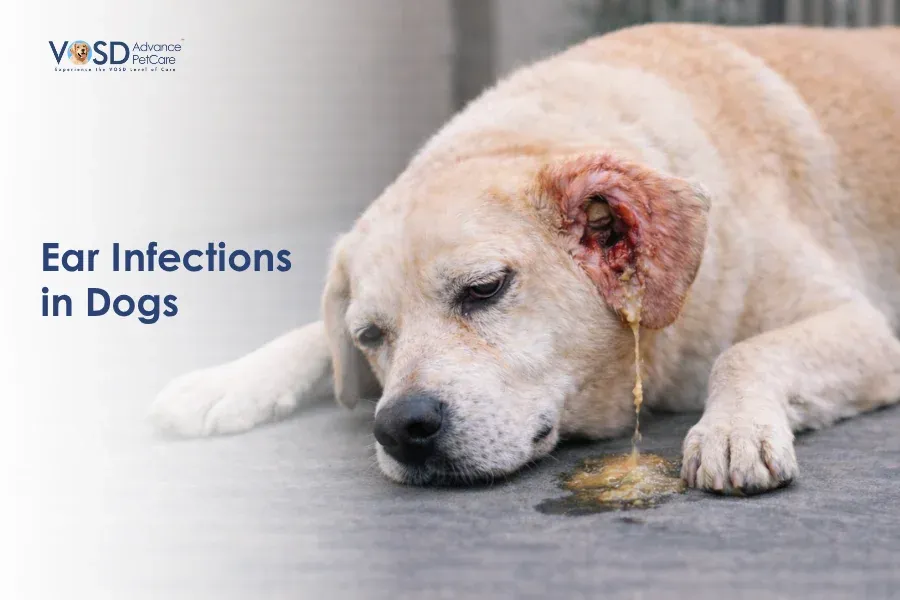
By the fourth day, the bump had ruptured. Foul-smelling discharge stained her coat and bedding. The smell was unmistakable, even to people who had never encountered an abscess before.
What had seemed like a simple bump was actually an infection trapped beneath her skin, growing under pressure until her body could no longer contain it. By the time she reached the vet, what could have been treated quickly with a small intervention had become a more complicated problem requiring antibiotics, drainage, and several weeks of healing.
Abscesses in dogs are deceptively common but never trivial. They represent an infection that has organized itself into a contained pocket, where bacteria multiply, protected from the immune system’s normal defenses. Without intervention, abscesses can rupture spontaneously, spread infection to surrounding tissues, or, in severe cases, lead to systemic illness.
What This Condition Actually Is
An abscess is a localized collection of pus formed when the body walls off an infection.
When bacteria enter tissue through a wound, bite, or other breach in the skin, the immune system responds by sending white blood cells to fight the invasion. The combined debris of dead bacteria, dead immune cells, and damaged tissue forms pus. The body attempts to contain this material by creating a fibrous capsule around it.
The result is a contained pocket of infection. Inside the abscess, bacteria continue multiplying. The body cannot reach the infection effectively because of the protective wall it has created. Pressure builds as more pus accumulates, eventually causing pain, visible swelling, and ultimately rupture if not addressed.
How an Abscess Forms Beneath the Surface
The process unfolds over days.
First, bacteria enter through a wound, no matter how small. A bite, a puncture, a deep scratch, or even a foreign object lodged in tissue can introduce bacteria.
Second, the immune system mobilizes. White blood cells flood the area to fight the infection. Inflammation develops as the battle intensifies.
Third, dead immune cells, bacterial debris, and tissue breakdown produce pus. The volume of pus grows as the immune response continues.
Fourth, the body walls off the infected area with a fibrous capsule, attempting to prevent spread. This capsule traps bacteria and pus together, creating the abscess.
Fifth, pressure builds within the contained pocket. Pain develops. Swelling becomes visible. The skin over the abscess may become red and warm.
What You May Notice
Watch for:
- A swollen lump that develops over days
- Heat and redness in the affected area
- Pain when the area is touched
- Excessive licking or chewing of one location
- Fever and lethargy in significant cases
- Reduced appetite
- A bad smell, particularly if the abscess has begun to drain
- Visible pus or discharge if rupture occurs
- Hair loss around the affected area
The pattern of rapid swelling combined with pain and warmth is characteristic. A lump that develops over hours to days and is clearly tender is much more likely to be an abscess than other types of growths.
Related Videos


Why These Often Appear Suddenly
Abscesses can seem to appear out of nowhere because the underlying wound may have been small or overlooked.
A puncture wound from a bite or sharp object may close over quickly, trapping bacteria inside. The skin appears to heal while infection develops underneath. Days later, the swelling becomes obvious even though the original injury wasn’t noticed.
This timeline explains why abscesses often surprise owners. The dog seemed fine yesterday, but today there’s a painful lump.
What Leads to Abscess Formation
Several common causes account for most cases.
Bite wounds from fights with other animals are a major source. Even small punctures can introduce significant bacteria deep into the tissue.
Foreign bodies, including thorns, splinters, or grass awns, carry bacteria and create persistent infection sites.
Dental disease can produce tooth root abscesses, where infection at the base of teeth creates pockets of pus that may show externally as facial swelling. The specifics of tooth root abscess in dogs involve different mechanisms than skin abscesses but share the underlying principle.
Anal gland infections cause abscesses in the perineal region, sometimes connecting to broader chronic inflammation of the anus, rectum, or perineum region.
Internal abscesses can develop in organs, including the prostate or liver, often producing systemic illness rather than visible swelling.
Specific bacterial infections, including actinomycosis, can cause distinctive abscess patterns requiring specific treatment.
How the Body Creates an Abscess
The mechanism follows a predictable pattern.
Bacteria become trapped in tissue through wounds or other breaches. The immune system attempts to fight them. As the battle continues, pus forms from accumulated cellular debris.
The body recognizes that fully clearing the infection has become difficult and walls off the affected area to prevent spread. This containment is partially helpful but also limits the immune system’s ability to reach the bacteria inside.
Pressure builds as the contained infection grows. Eventually, the pressure exceeds what the surrounding tissue can hold, and the abscess either ruptures spontaneously or requires drainage to release the pressure.
Different Types of Abscesses
Skin abscesses appear at the body surface and are usually the most easily recognized.
Tooth root abscesses involve dental infection that may show as facial swelling or oral pain.
Anal gland abscesses develop near the anus, often with sudden swelling and discomfort during defecation.
Internal abscesses develop in organs and may not produce visible signs, instead causing systemic illness with fever, lethargy, and organ-specific symptoms.
Each type requires similar treatment principles but different access strategies and considerations.
Where They Commonly Appear
Skin abscesses appear most commonly at sites of bite injuries, including the face, neck, shoulders, and rear quarters, where dogs are commonly bitten in fights.
Paw abscesses develop from foreign bodies between the toes or from wounds during outdoor activity.
Anal area abscesses involve the anal glands or surrounding tissue.
Facial swellings often involve tooth root infections.
Location helps narrow down the likely cause and guides appropriate treatment.
How Vets Confirm It’s an Abscess
Diagnosis usually combines physical examination with simple testing.
Physical findings of warm, tender, fluctuant swelling are usually obvious to experienced vets.
Fine needle aspiration involves drawing a small sample with a syringe. The presence of pus confirms the abscess diagnosis. Distinguishing this from lumps, bumps, and cysts on dogs is crucial since these have very different treatment needs.
Imaging is needed for deeper or internal abscesses. X-rays, ultrasound, or CT scans help locate and characterize abscesses that aren’t accessible from the surface.
Culture and sensitivity testing identify the specific bacteria involved and guide antibiotic selection in complicated cases.
Treatment, Why Draining the Infection Is Essential
Antibiotics alone rarely cure abscesses. The contained nature of the infection prevents adequate antibiotic penetration into the protected pocket.
Drainage is the cornerstone of treatment. The abscess must be opened to allow pus to escape and the cavity to be flushed clean. This is typically done under sedation or anesthesia for the dog’s comfort.
Once drained, the cavity is flushed with sterile solutions to remove remaining pus and bacteria. A small opening may be left for continued drainage, or a drain may be placed temporarily.
Antibiotics support the healing process and prevent reinfection. Selection depends on the likely or confirmed bacteria involved.
Pain management ensures the dog is comfortable during healing.
The detailed treatment protocols, including those described in abscesses in dogs causes symptoms treatment, provide more specific guidance for various scenarios.
Related Products



What Recovery Depends On
Most abscesses heal well with appropriate treatment.
Size and location matter. Small skin abscesses caught early heal quickly. Large or deep abscesses take longer.
Treatment timing affects recovery. Abscesses addressed promptly heal more reliably than those that have been progressing for extended periods.
Underlying conditions matter. Dogs with compromised immune systems or other health issues may face more complicated recoveries.
Most dogs return to normal activity within a few weeks of appropriate treatment.
What Can Go Wrong If This Is Ignored
Untreated abscesses can lead to serious complications.
Spreading infection occurs when contained bacteria break through the abscess wall and infect surrounding tissues.
Sepsis can develop if bacteria enter the bloodstream, causing systemic illness that requires intensive treatment and may be life-threatening.
Chronic wounds may develop when abscesses repeatedly recur or fail to heal completely.
Internal organ damage occurs when abscesses develop in or spread to vital organs.
Abscess vs Tumor vs Cyst
Distinguishing these is important.
Abscesses are typically painful, warm, develop quickly over days, and may discharge pus.
Tumors are usually not painful unless ulcerated, develop slowly over weeks or months, and don’t typically discharge.
Cysts are usually not painful, contain fluid rather than pus, and may persist unchanged for long periods.
Fine needle aspiration usually distinguishes these reliably.
When This Becomes an Emergency
Contact your vet urgently if you see rapid swelling, high fever, severe lethargy, breathing difficulties, or significant rupture with extensive discharge. These suggest the infection has progressed beyond simple local containment.
When You Should Not Wait
Bring your dog to the vet promptly when you notice a painful swelling, particularly one that’s warm to the touch, develops quickly, or is accompanied by behavioral changes.
Don’t try to drain abscesses at home. Improper drainage can spread infection or cause significant pain without addressing the underlying problem effectively.